
Quick Answers: Best Utah Snow Resorts & When to Go
Utah snow resorts are a top choice for skiers, snowboarders, and families planning a Utah snow resort vacation in 2025/26. This guide is for anyone looking to experience the “Greatest Snow on Earth” and make the most of their winter getaway.
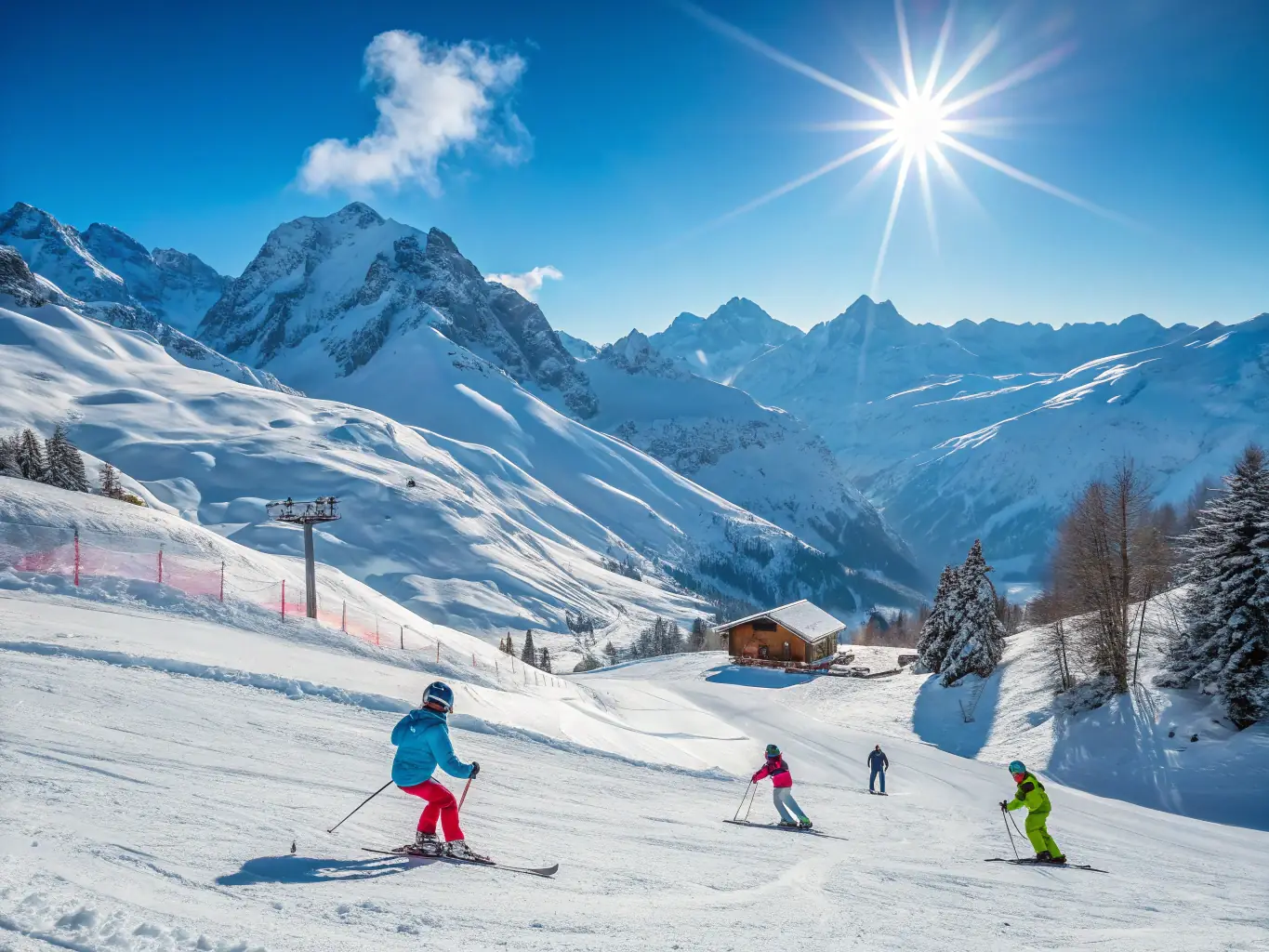
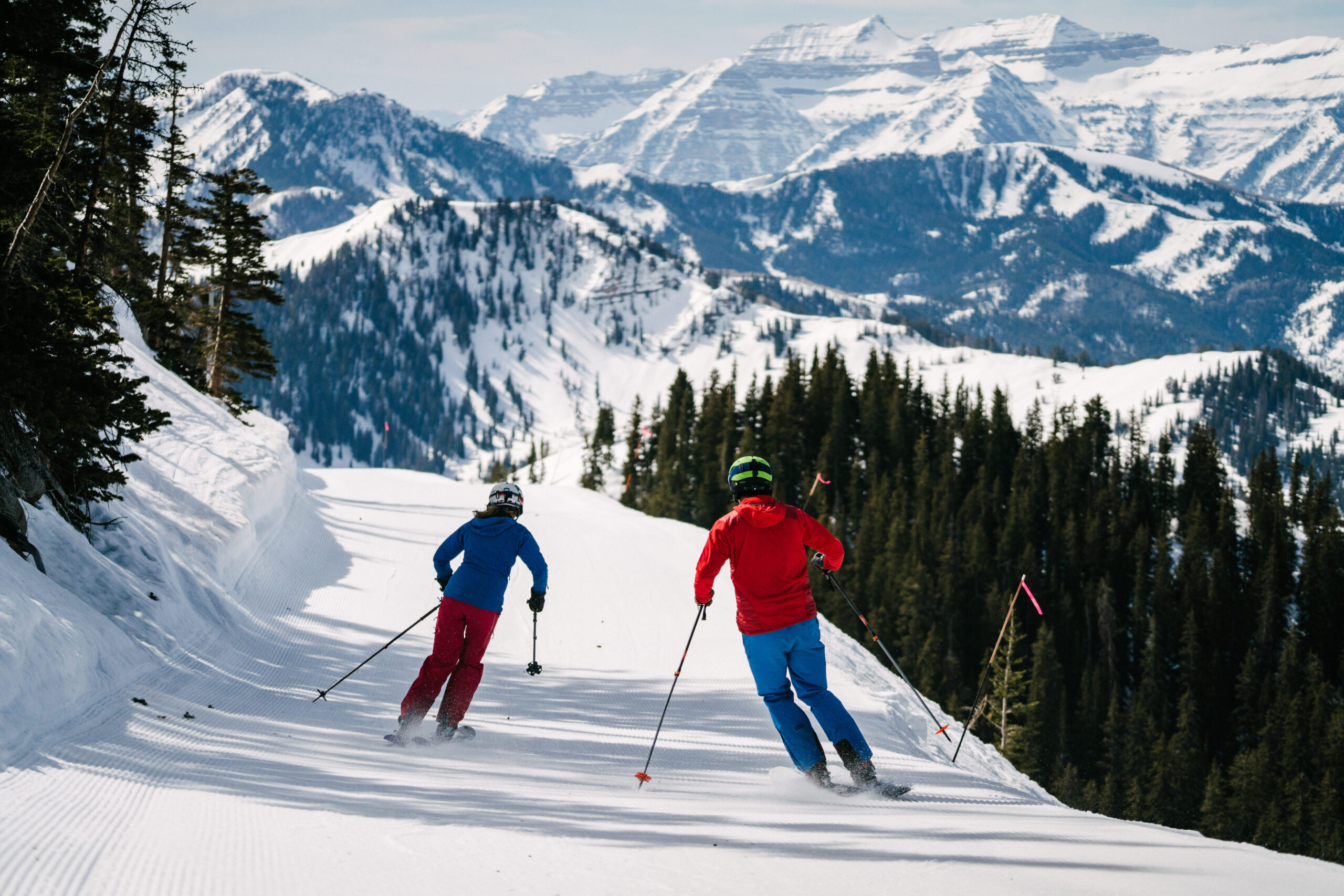
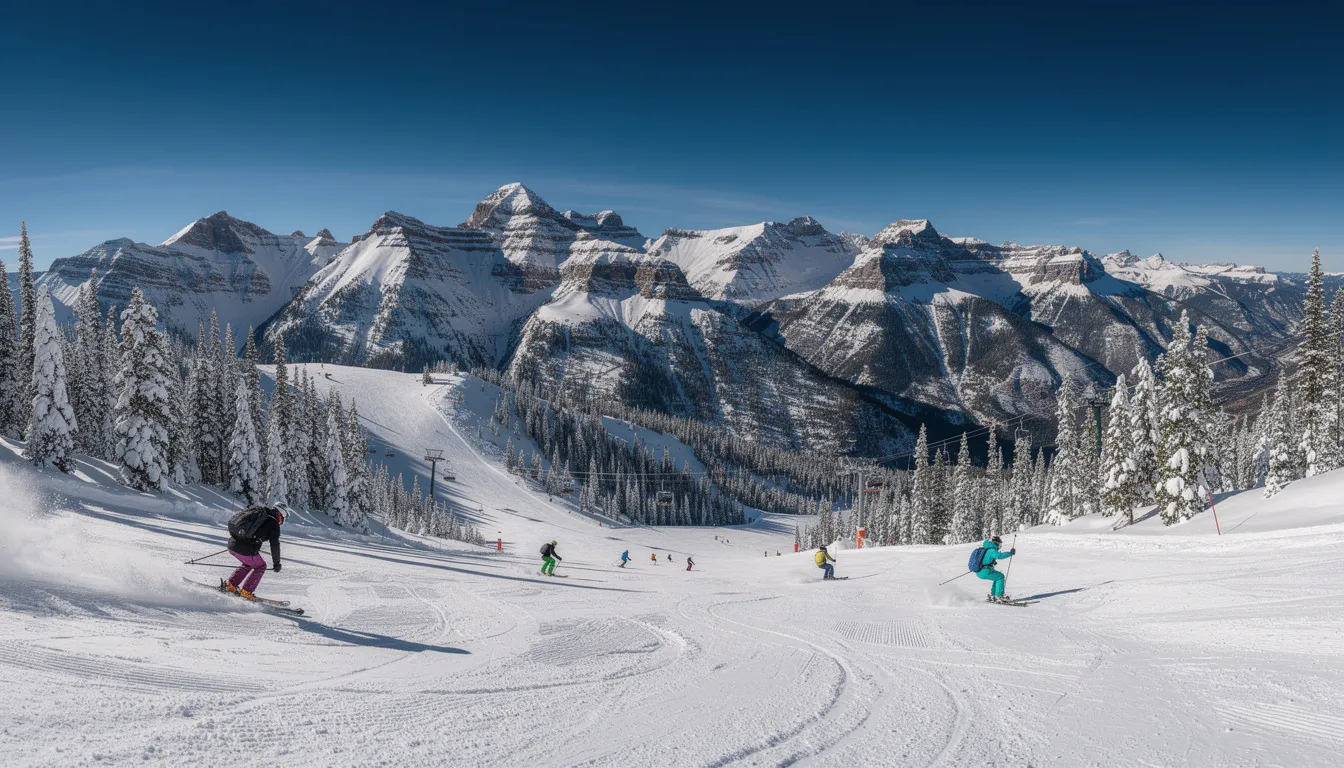
Utah is known for its world-class ski resorts, averaging 500 inches of the driest, lightest powder snow annually. The ski resorts in Utah are known for their unique characteristics and charm, offering something for every type of snow enthusiast.
With an extensive network of trails catering to all skill levels, from beginners to experts, Utah snow resorts provide a diverse and exciting terrain. Whether you’re a powder hound, a first-timer, or a family seeking adventure, Utah ski resorts deliver an unforgettable experience.
Utah has 15 ski resorts, with 10 of them located within an hour’s drive from Salt Lake City International Airport. Salt Lake International Airport serves as the primary gateway for travelers visiting Utah’s ski resorts, offering convenient access to the state’s renowned snow and outdoor activities.
Each resort taps into the legendary powder that’s earned the state its “Greatest Snow on Earth” reputation. Whether you’re planning a quick weekend escape or a full-blown ski vacation, knowing where to go and when to visit can make or break your trip.
Top Utah Snow Resorts to Consider for 2025/26:
- Park City Mountain – America’s largest ski resort with 7,300+ acres
- Deer Valley – Ski-only luxury and immaculate grooming
- Alta Ski Area – Skier-only powder paradise in Little Cottonwood Canyon
- Snowbird – Steep terrain and 500” average annual snowfall
- Brighton & Solitude Mountain Resort – Relaxed vibes in Big Cottonwood Canyon
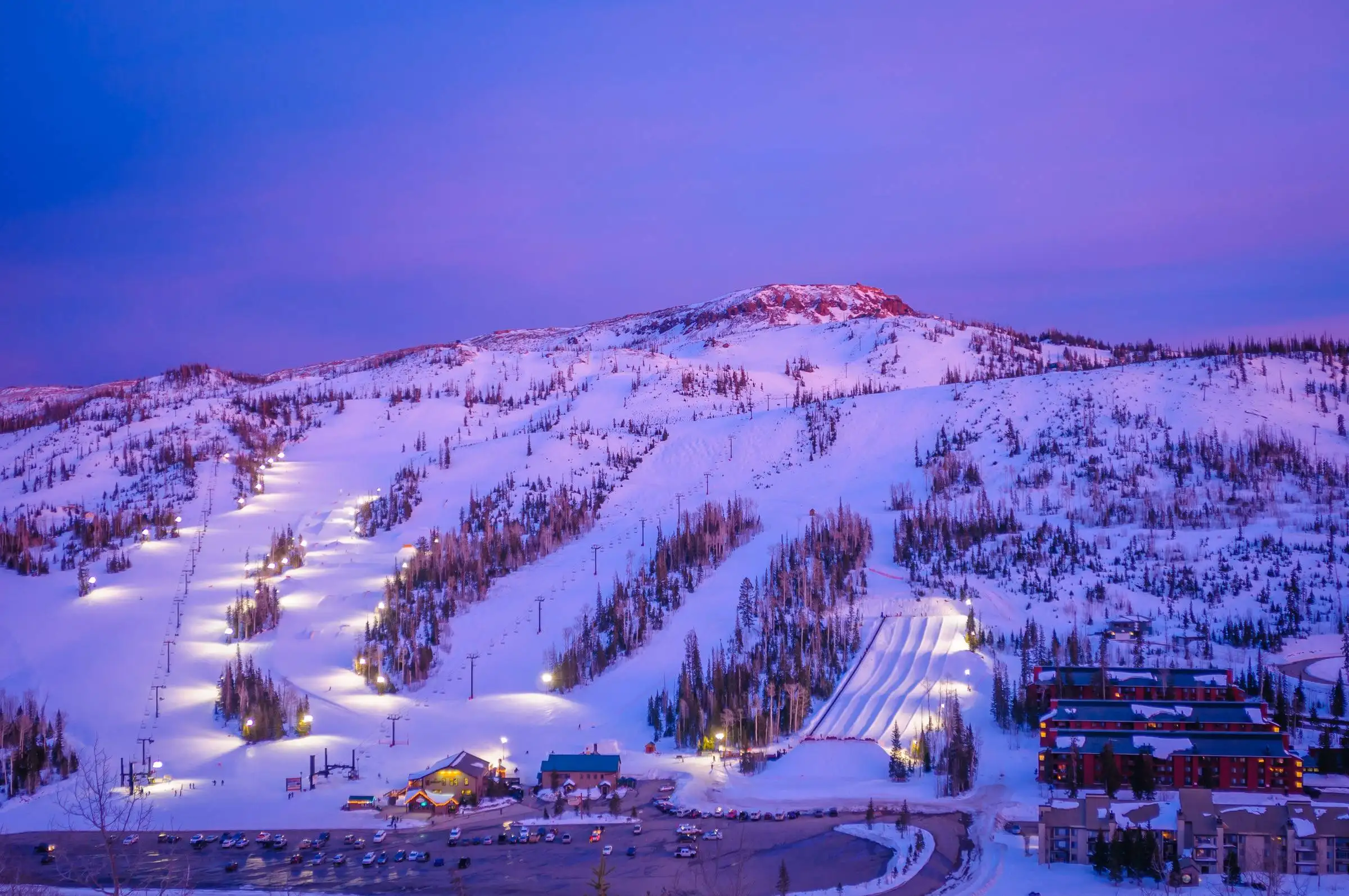
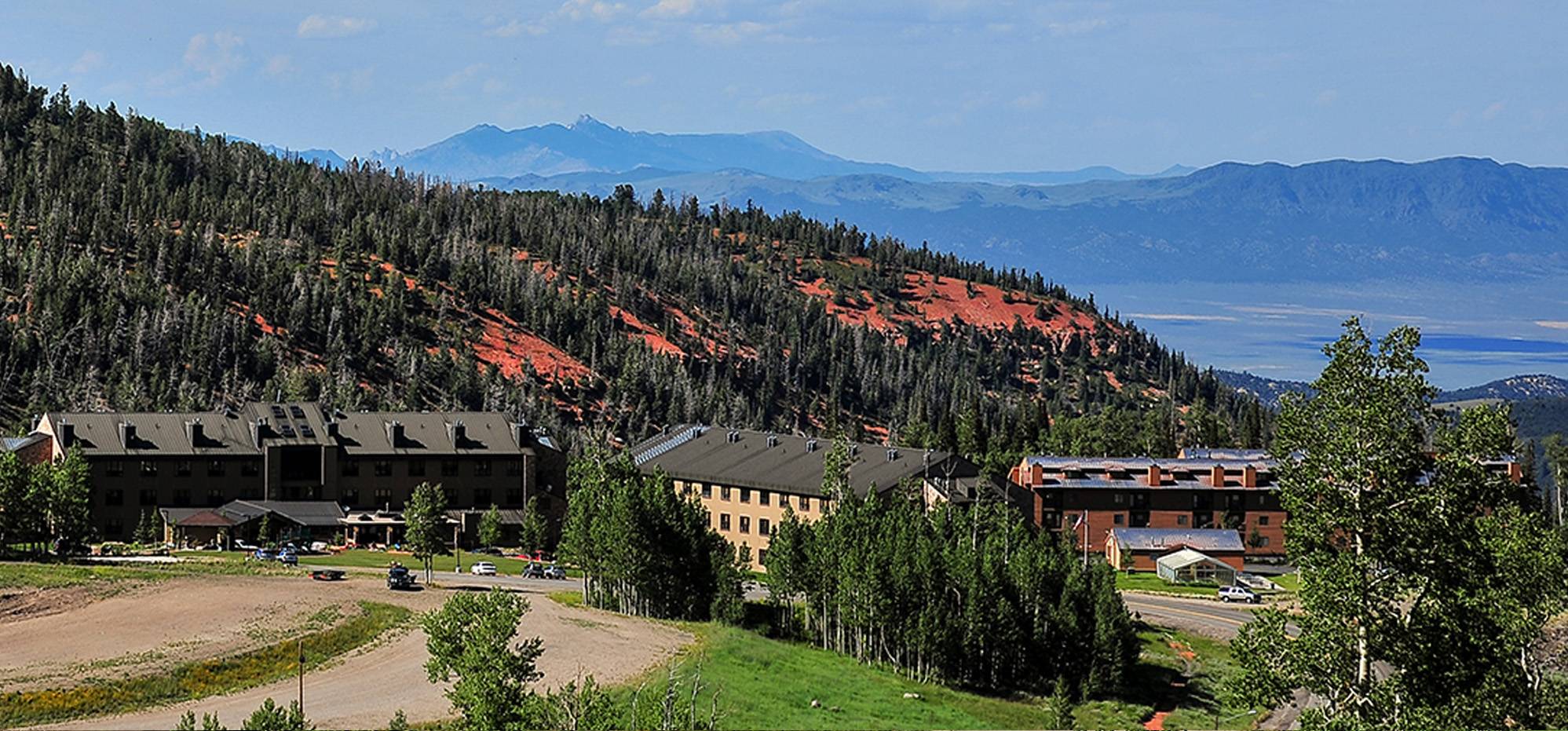
- Brian Head – Southern Utah’s highest-elevation resort with red-rock views
When to Visit:
- Northern Utah (Salt Lake City / Park City area): Mid-November through late April
- Southern Utah (Brian Head / Eagle Point): November 21, 2025 – May 10, 2026 for Brian Head, making it one of the resorts offering Utah’s longest ski season
Northern vs. Southern Utah at a Glance:
Northern Utah resorts near Salt Lake City deliver massive snowfall totals (often 400-500+ inches), world-class nightlife in Park City, and easy access from Salt Lake City International Airport. However, expect larger crowds, higher lodging prices, and canyon traffic during storm days.
Southern Utah resorts like Brian Head and Eagle Point offer a completely different experience: quieter slopes, more affordable lift tickets and lodging, and jaw-dropping red-rock scenery you won’t find anywhere else. The trade-off is a longer drive from Salt Lake (about 3.5 hours) and smaller resort footprints.
For travelers exploring Southern Utah snow country, Brian Head Hotels serves as a dedicated lodging and trip-planning resource, offering everything from slopeside hotel rooms to luxury cabins near Brian Head Resort.
Ready to explore Utah’s southern snow gem? Book Now at Brian Head Lodge and secure your winter dates early.
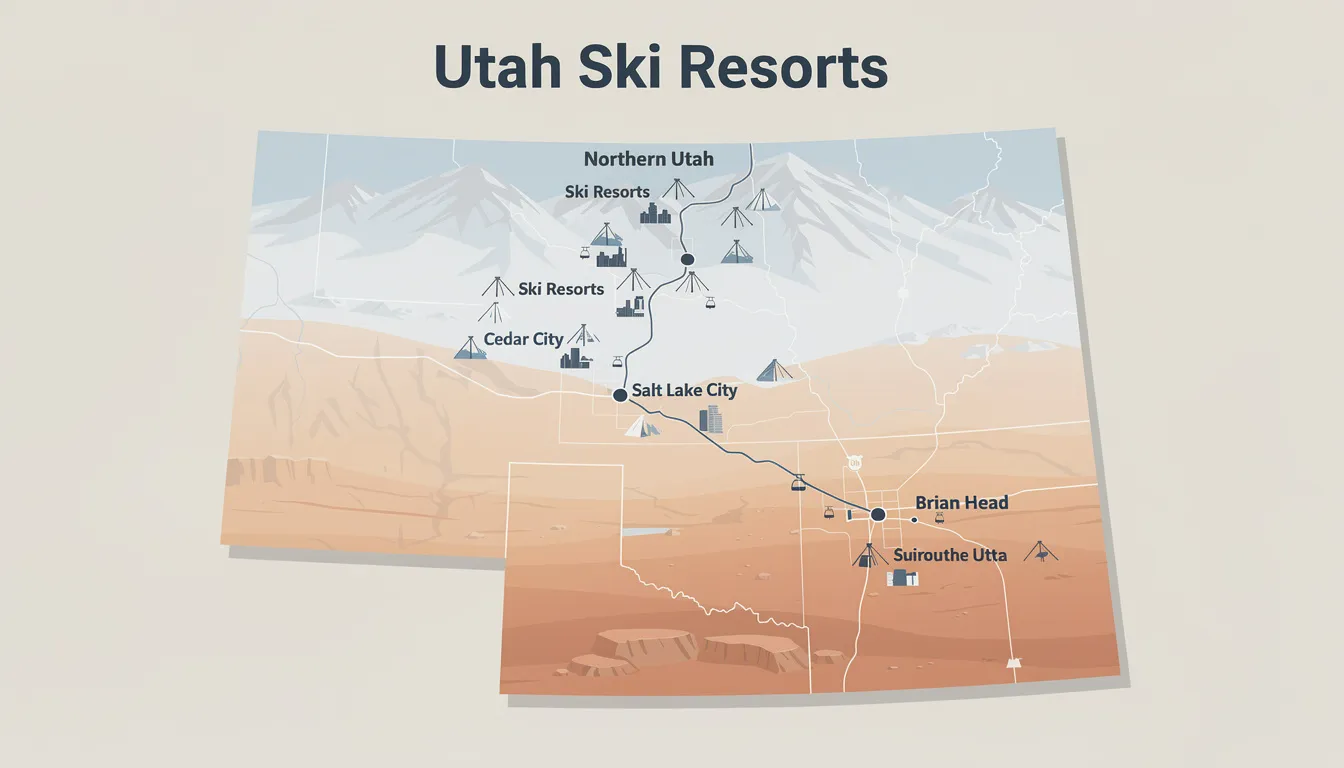
Map & Regions: Northern vs. Southern Utah Snow Resorts
Most of Utah’s ski resorts cluster in the northern part of the state, within an hour’s drive of Salt Lake City. This includes the famous Cottonwood Canyon resorts (Alta, Snowbird, Brighton, Solitude), the Park City area (Park City Mountain, Deer Valley, Woodward Park City), and Ogden-area mountains like Snowbasin and Powder Mountain.
Meanwhile, Southern Utah hosts a smaller but equally compelling group of resorts—including Brian Head and Eagle Point—located near Cedar City and the stunning national parks that define the region.
Utah has 15 ski resorts, with 10 of them located within an hour’s drive from Salt Lake City International Airport.
Getting There:
| Destination | Distance from Salt Lake City International Airport | Drive Time |
|---|---|---|
| Little Cottonwood Canyon (Alta, Snowbird) | ~30 miles | 35-45 min |
| Big Cottonwood Canyon (Brighton, Solitude) | ~30 miles | 35-45 min |
| Park City Mountain / Deer Valley | ~35 miles | 40-50 min |
| Snowbasin / Powder Mountain | ~45-55 miles | 50-70 min |
| Brian Head Resort | ~220 miles | 3.5-4 hours |
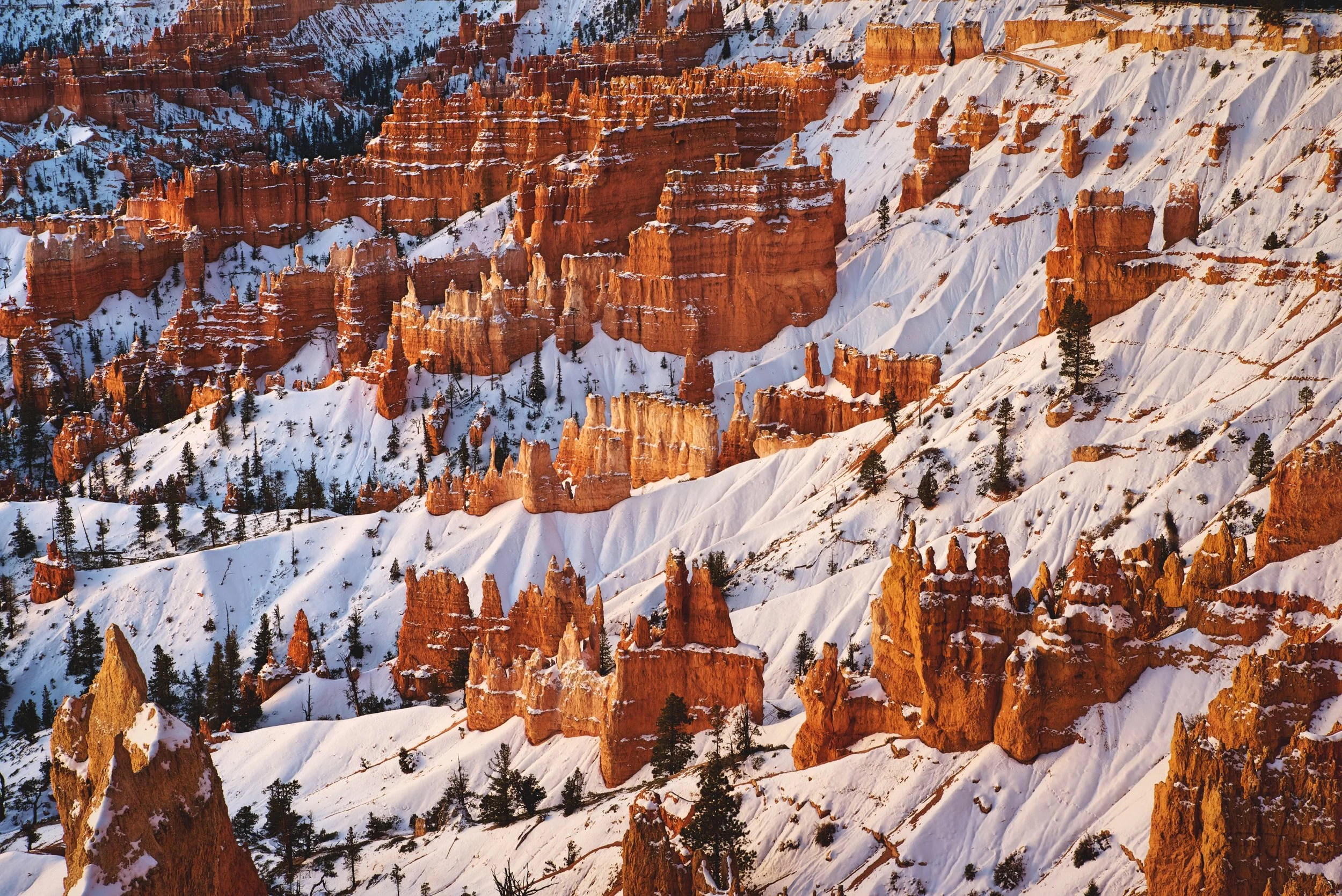
Brian Head sits at nearly 9,600 feet at the base—Utah’s highest-elevation southern resort—making it an excellent basecamp for combining snow sports with visits to Cedar Breaks National Monument and Bryce Canyon National Park.
Northern vs. Southern Resorts: Quick Comparison
| Northern Utah | Southern Utah | |
|---|---|---|
| Pros | More resorts to choose from (10+ within an hour of SLC). Bigger mountains with more terrain variety. Vibrant nightlife and dining in Park City. Easy access from Salt Lake City International Airport | Quieter slopes with shorter lift lines <br> Lower prices on lodging and lift tickets <br> Unique red-rock scenery and national park access <br> Extended season at Brian Head (through May) |
| Cons | Higher lodging and lift ticket prices. Bigger crowds, especially on weekends and holidays. Canyon traffic delays during storms | Longer drive from Salt Lake. Fewer nightlife and dining options. Smaller resort sizes overall |
Planning a multi-day adventure? Consider a Southern Utah ski road trip anchored in Brian Head, combining powder days with national park explorations.
Northern Utah Snow Resorts: Big Mountains Near Salt Lake City
About ten ski resorts lie within an hour of Salt Lake, making Northern Utah one of the most accessible ski destinations in the world.
From steep chutes to family-friendly groomers, these mountains deliver reliable conditions from late November through April, with annual snowfall totals regularly exceeding 350-500 inches.
Northern Utah snow resorts feature extensive networks of trails, offering a wide variety of routes and terrain for all skill levels.
Key Northern Utah Zones:
- Cottonwood Canyons (Alta, Snowbird, Brighton, Solitude): Deep powder, steep terrain, and the state’s most consistent snow. Little Cottonwood Canyon and Big Cottonwood Canyon are legendary among powder hounds.
- Park City Area (Park City Mountain, Deer Valley, Woodward Park City): Massive terrain variety, upscale lodging, and terrain park options for riders and skiers who want progression-focused facilities.
- Ogden Area (Snowbasin, Powder Mountain, Nordic Valley): Olympic heritage at Snowbasin, uncrowded cat-skiing at Powder Mountain, and affordable family skiing at Nordic Valley and nearby Cherry Peak.
Where to Stay: Salt Lake City vs. Slopeside
| Option | Pros | Cons |
|---|---|---|
| Stay in Salt Lake City | Lower hotel prices, access to multiple resorts, city amenities | Daily commute to slopes, canyon traffic risk |
| Stay Slopeside (Park City) | Ski-in/ski-out convenience, resort-town dining and nightlife | Higher lodging costs, less flexibility to explore other resorts |
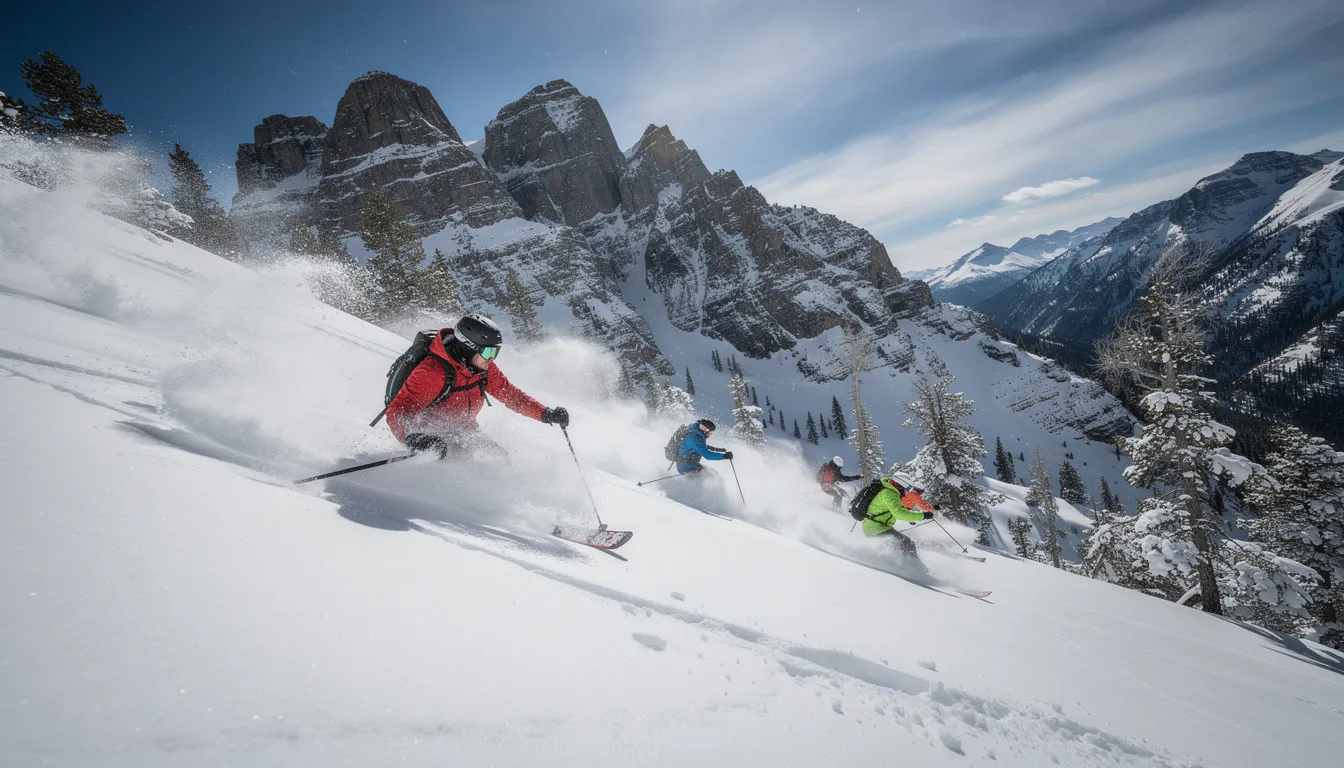
If you want to experience both Northern and Southern Utah in one trip, consider starting near Salt Lake, hitting the Cottonwood or Park City resorts, then road-tripping south to Brian Head for a quieter, red-rock finale.
Looking for Northern Utah hotel deals? Compare northern Utah hotel offers and plan your multi-resort adventure.
Featured Northern Resorts: Snow, Terrain & Vibe
This section offers quick snapshots of Utah’s best-known Northern snow resorts for the 2025/26 winter—covering terrain, snow stats, the number and variety of trails, and who each mountain suits best.
Park City Mountain Resort
The largest ski resort in the United States with approximately 7,300 acres and 348 runs, Park City Mountain is a sprawling playground accessible via Epic Pass. Expect a top elevation of 10,026 feet and roughly 355 inches of average annual snowfall.
The resort suits everyone from beginners to experts, with extensive terrain parks, kids’ programs, and direct town access. Peak season can bring 20+ minute lift lines, so arrive early.
Best for: Variety seekers, families, Epic Pass holders
Deer Valley
Note: Deer Valley and Alta are skier-only resorts and do not allow snowboarding.
This ski-only resort prioritizes luxury, with immaculate grooming across 100+ runs and premium guest services that Ski Magazine has repeatedly ranked as the nation’s best.
Recent expansions added nearly 4,300 acres and a new 10-passenger heated gondola. Snowboarders aren’t permitted, and lift tickets can exceed $300/day—but for skiers who value upscale dining and uncrowded groomers, Deer Valley delivers.
Best for: Luxury seekers, intermediate skiers, couples
Alta Ski Area
Note: Deer Valley and Alta are skier-only resorts and do not allow snowboarding.
A skier-only institution since 1939, Alta offers 116 runs across 2,614 acres in Little Cottonwood Canyon. With 500+ inches of annual snowfall and a base that regularly exceeds 60 inches mid-winter, it’s a powder hound’s dream. The vibe is old-school and unpretentious—no snowboarders allowed, just pure skiing.
Best for: Powder chasers, traditional skiers, experts
Snowbird
Adjacent to Alta (and accessible via an interconnect pass), Snowbird boasts 2,500 acres and 140 runs with an iconic Aerial Tram rising 2,100 vertical feet. Snowboarders are welcome here, and the steep terrain (45% advanced/expert) draws serious riders. Snowbird averages 500 inches of fresh powder annually.
Best for: Advanced riders, snowboarders, vertical seekers
Brighton
Brighton emphasizes value and fun, with 66 runs on 1,050 acres, night skiing, and solid terrain parks. It’s a locals’ favorite with a laid-back atmosphere and family discounts that make it accessible for multi-day visits.
Best for: Families, night owls, park riders, budget travelers
Solitude Mountain Resort
Living up to its name, Solitude offers 82 runs on 1,200 acres with fewer crowds than neighboring resorts. Backcountry gates access 500,000+ acres of Uinta-Wasatch-Cache National Forest. It’s the Cottonwood Canyon sleeper pick for skiers who want quality snow without the masses.
Best for: Solitude seekers, backcountry explorers, intermediate-to-advanced skiers
Snowbasin
Host of the 2002 Winter Olympics downhill events, Snowbasin features 3,000 acres, high-speed gondolas, and on-mountain lodges serving upscale fare. The Olympic heritage and well-maintained facilities attract a slightly older, more discerning crowd.
Best for: Olympic history buffs, groomers lovers, foodies
Powder Mountain
The largest ski area in North America by acreage (8,464 acres), Powder Mountain deliberately limits daily tickets to preserve its uncrowded, laid-back vibe. Cat-skiing add-ons ($200/run) access remote bowls with 1,500 vertical feet of untouched terrain.
Best for: Powder hunters, cat-skiing enthusiasts, crowd avoiders
Woodward Park City
A hybrid action-sports campus with terrain parks, trampolines, and progression-focused training facilities. Woodward is ideal for youth riders and families with kids who want to build freestyle skills in a supportive environment.
Best for: Park riders, young progressors, freestyle families
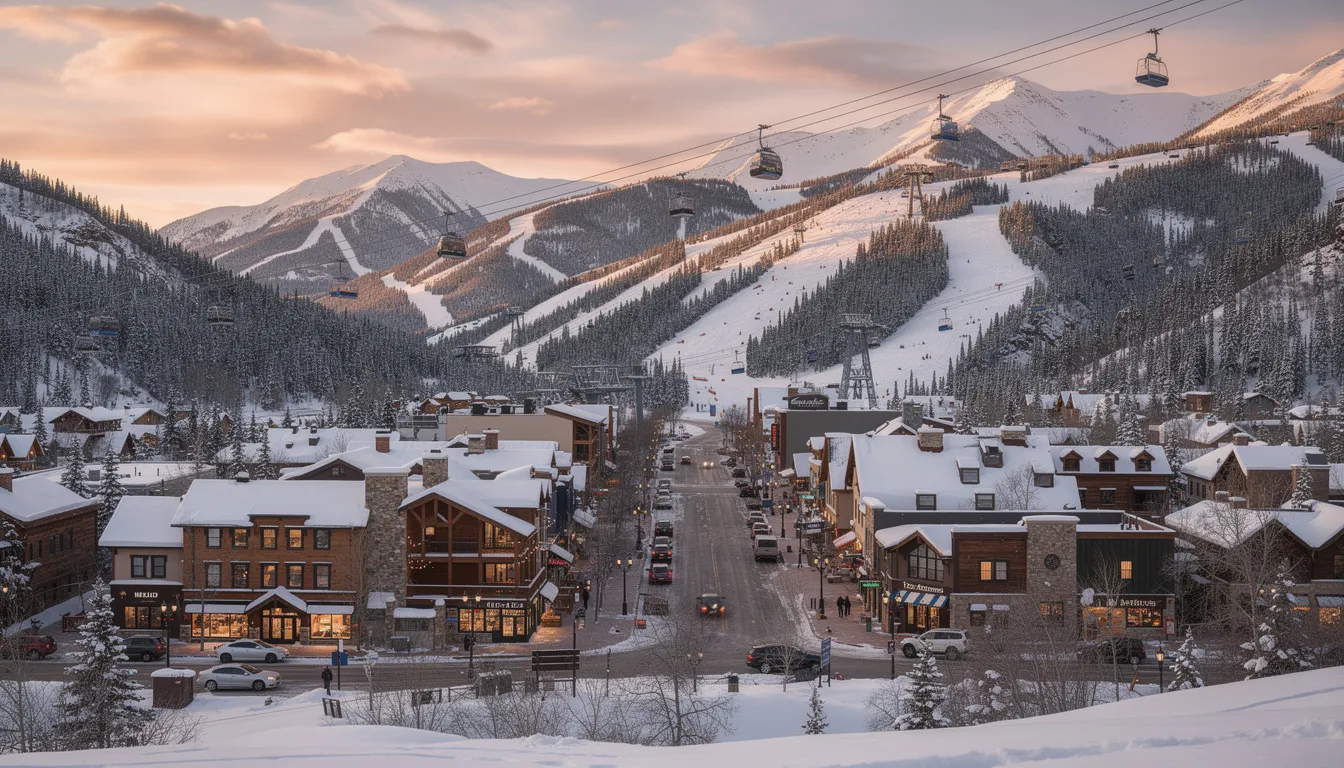
Peak periods like Christmas–New Year and Presidents’ Day fill up fast. Lock in your lodging early for the best selection. Book Now for Park City lodging deals.
Southern Utah Snow Resorts: Brian Head, Eagle Point & Red-Rock Winter
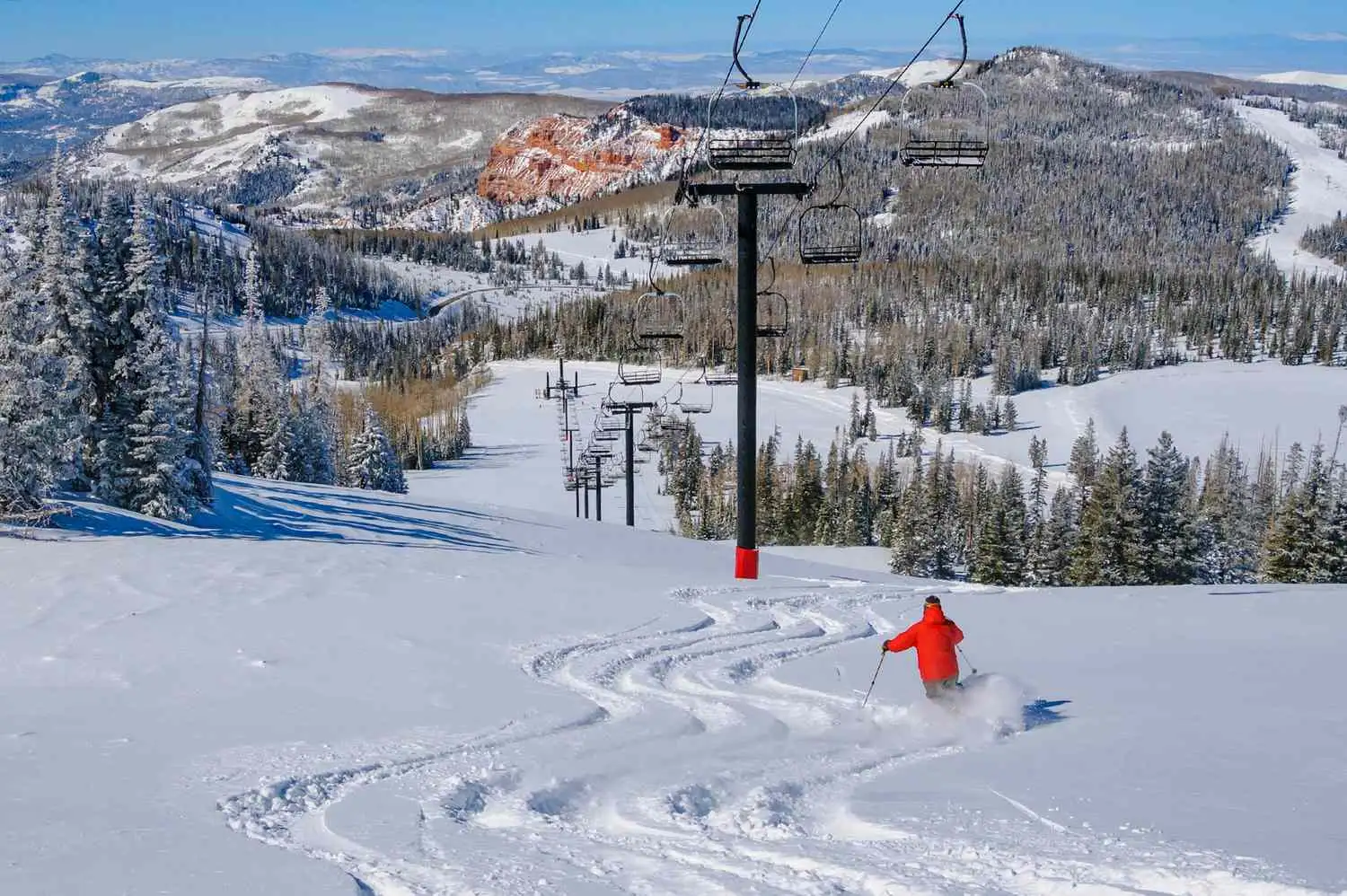
Southern Utah delivers a completely different snow experience: high elevation, big January–March powder potential, and dramatic red-rock views that you won’t find anywhere near Salt Lake.
If you’re looking for a ski trip that doubles as a scenic road trip through some of America’s most stunning landscapes, this region deserves your attention.
Brian Head Ski Resort
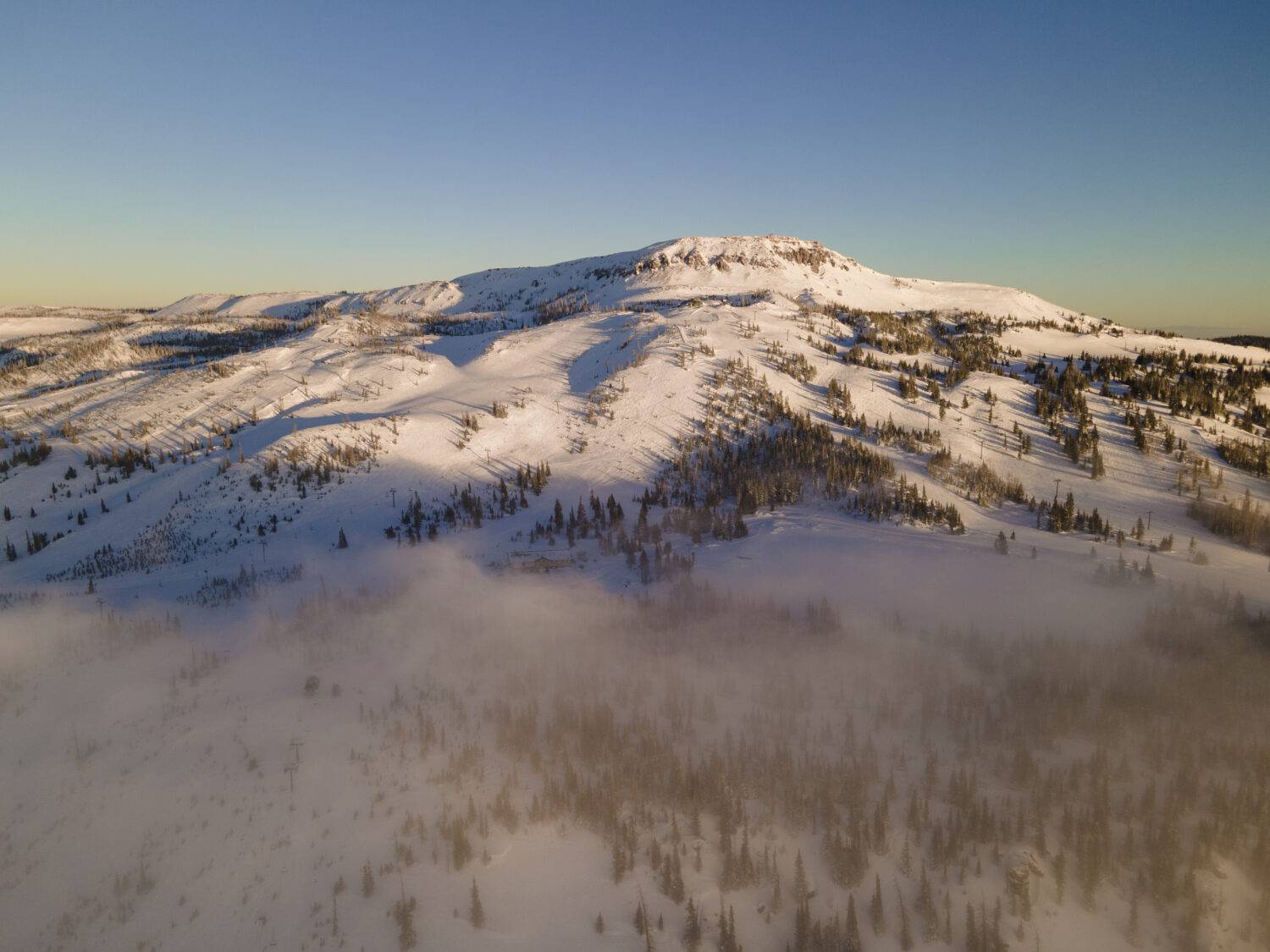
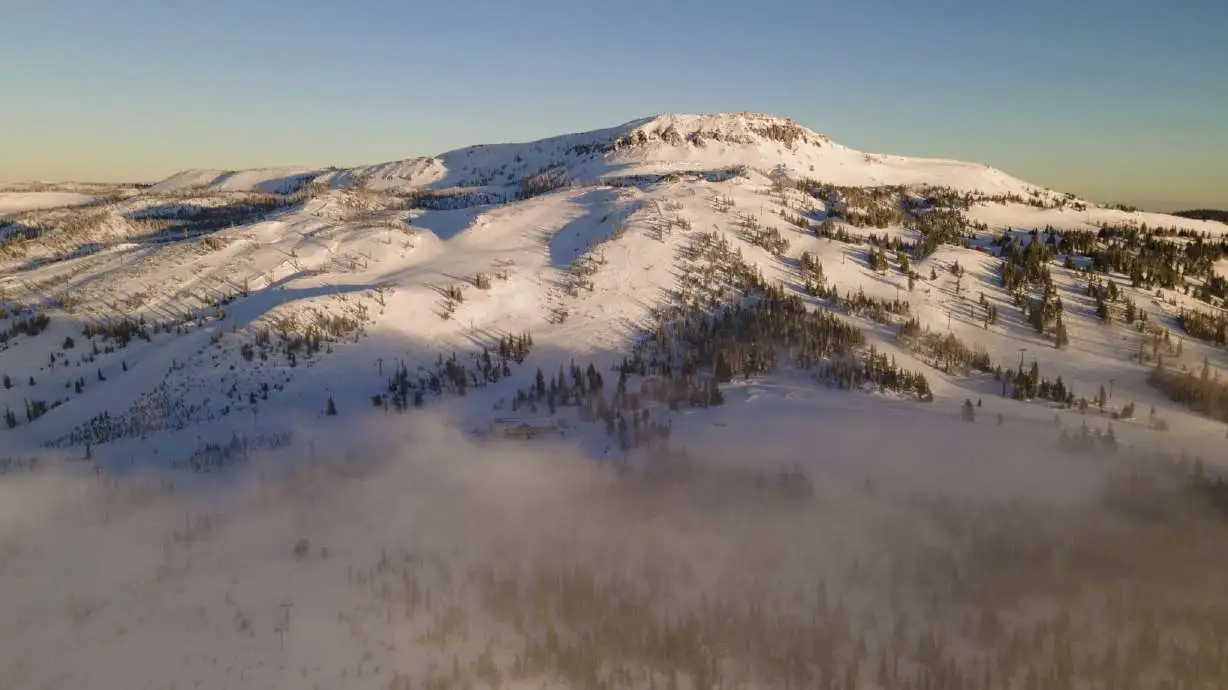
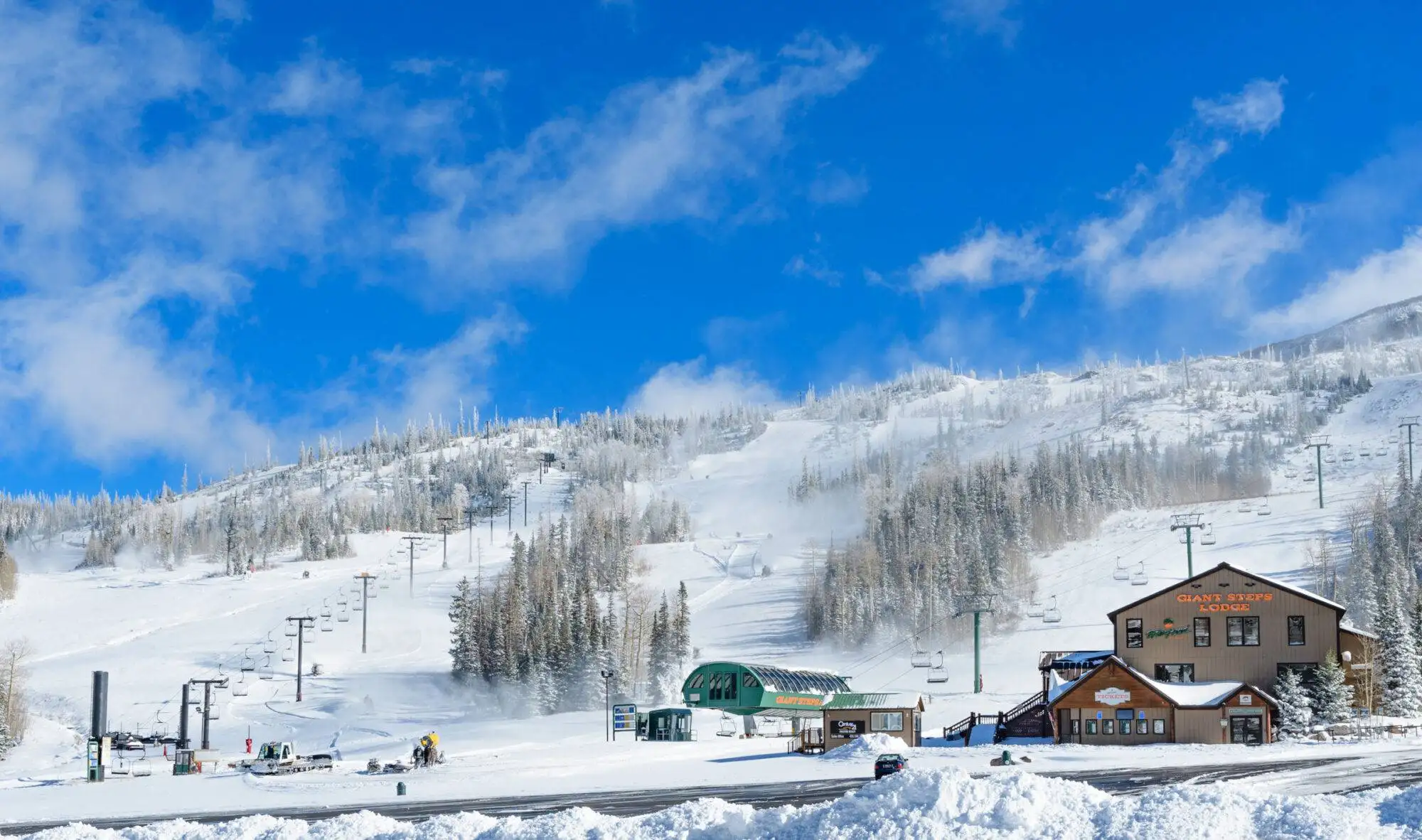
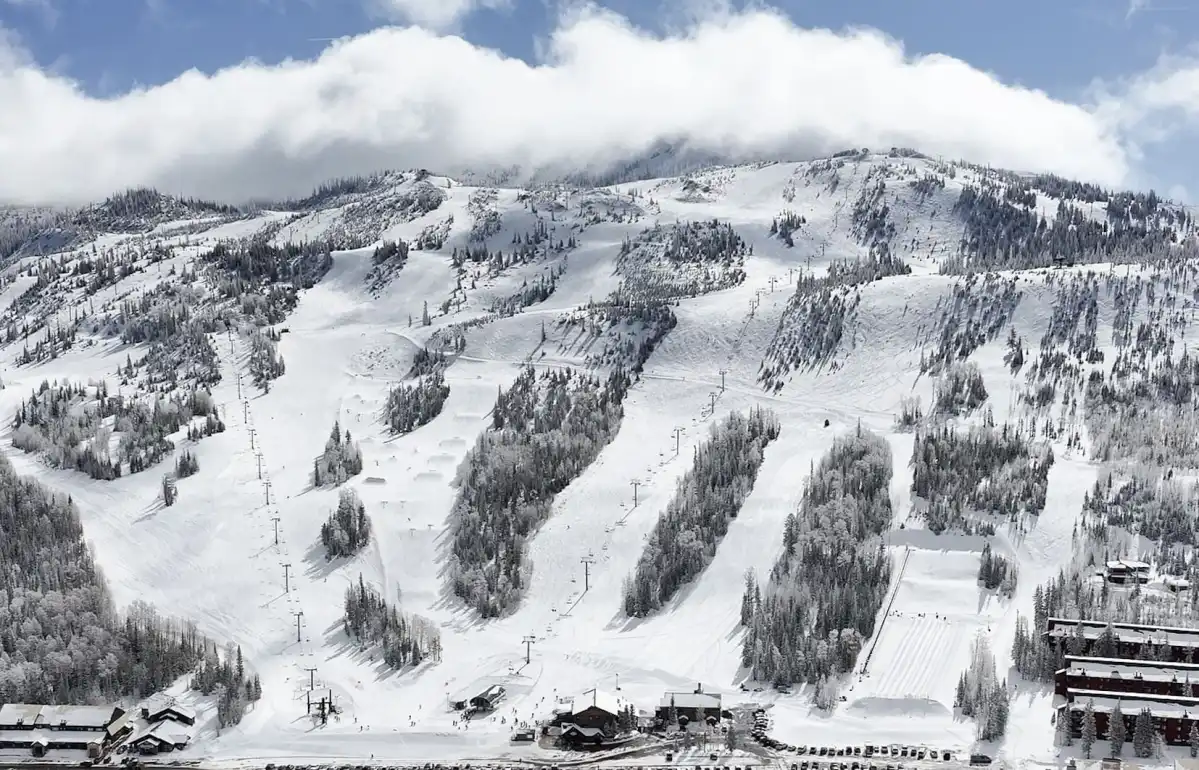
Brian Head is the highest-elevation resort in Southern Utah, with a base sitting at nearly 9,600 feet and peaks reaching 10,960 feet. The 2025/26 season opened November 21, 2025, and runs through approximately May 10, 2026—giving it one of Utah’s longest ski seasons.
Key Stats:
- 71 runs across 650 acres
- 57 of 72 runs typically open mid-season
- 360 inches of average annual snowfall
- Top elevation: 10,960 feet
The resort offers excellent variety for all skill levels, with progression terrain for families and beginners alongside steeper runs for advancing riders. Plus, those red-rock contrasts create photo opportunities you simply can’t replicate in Northern Utah.
Eagle Point
Eagle Point is a more secluded Southern Utah option with around 40+ runs and a season typically starting mid-December. Known for uncrowded slopes and a relaxed, locals’ atmosphere, it’s the kind of place where you can ride fresh lines without waiting and enjoy genuine mountain hospitality.
Best for: Locals, crowd avoiders, intermediate riders
Why Base Your Trip at Brian Head?
Brian Head and nearby Cedar City work together as ideal basecamps for exploring Southern Utah snow country. You can ski in the morning, then drive 30 minutes to Cedar Breaks National Monument for afternoon snowshoeing, or take a day trip to Bryce Canyon or even Zion National Park.
Brian Head Hotels specializes in lodging around Brian Head Resort—from cabins and condos to hotel rooms close to the lifts—making it simple to find the right fit for your group.
Southern Utah vs. Northern Utah: Pros & Cons
| Factor | Southern Utah | Northern Utah |
|---|---|---|
| Crowds | Smaller, shorter lines | Larger, especially weekends |
| Prices | Lower lift tickets & lodging | Premium pricing at top resorts |
| Scenery | Red-rock vistas, unique landscape | Classic alpine, forested terrain |
| Add-Ons | National park access | Urban nightlife, dining variety |
| Resort Size | Smaller footprints | Massive terrain options |
| Drive from SLC | 3.5-4 hours | 30-60 minutes |
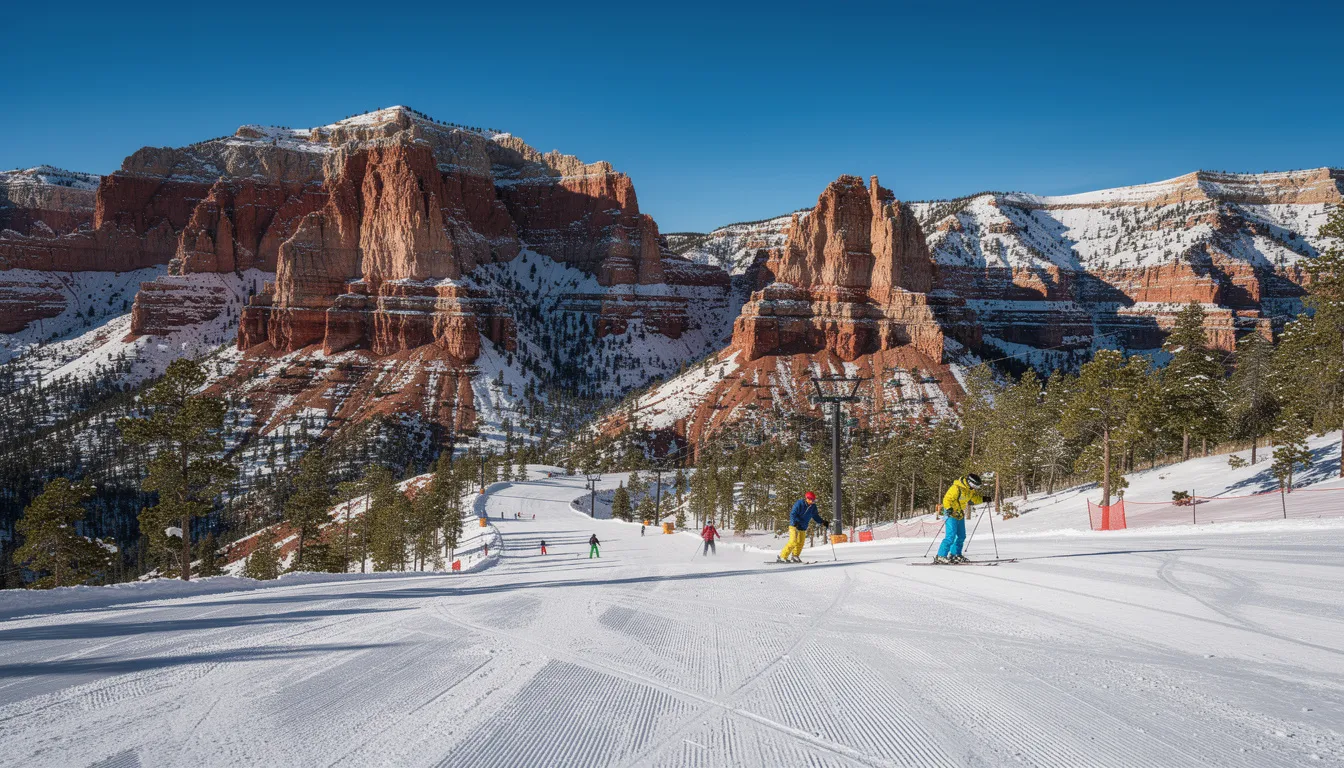
Ready to experience Southern Utah’s snow and red-rock magic? Book Now at Brian Head Lodgingand plan your winter escape.
Southern Utah resorts also make excellent additions to national park road trips. Combine a few days of skiing at Brian Head with visits to Zion, Bryce Canyon, and Cedar Breaks for a trip that’s equal parts adventure and awe.
Brian Head Hotels & Lodging: Where to Stay in Utah’s Southern Snow Country
This section comes directly from the perspective of Brian Head Hotels, a Southern Utah lodging and travel-planning platform dedicated to helping visitors find the perfect accommodations near Brian Head Resort.
Brian Head Lodge
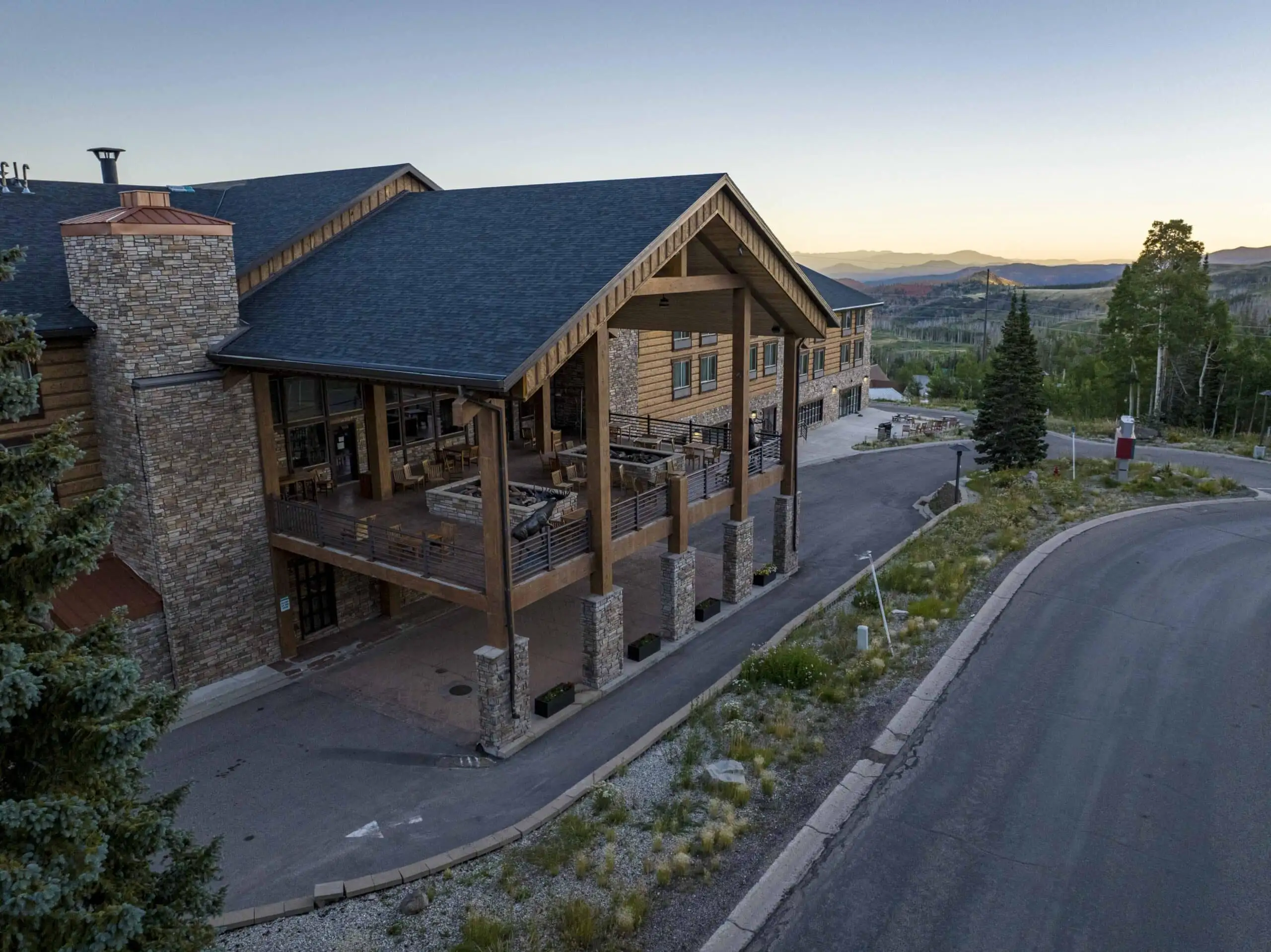
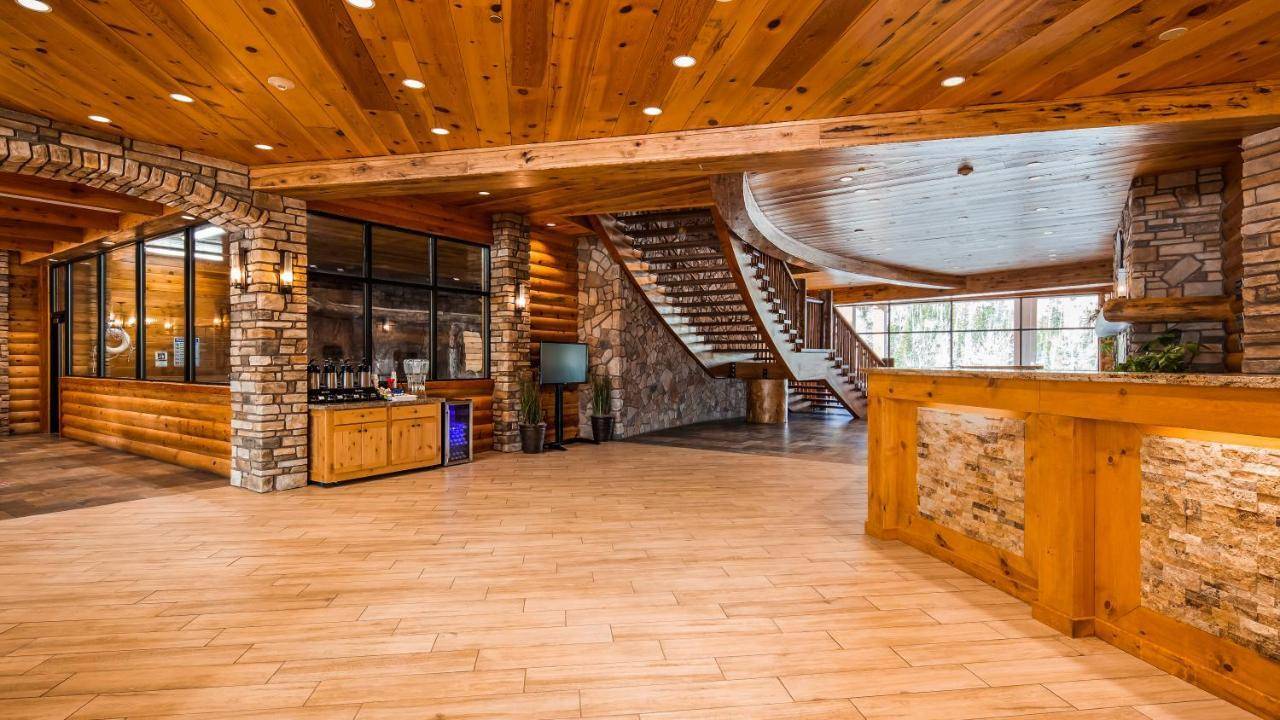
Brian Head Lodge is the flagship property—the official resort lodging with walkable or short shuttle access to the lifts. Amenities include hot tubs, a fitness center, game rooms, on-site dining, and pet-friendly room options suited to families and couples alike.
Brian Head Lodge Pros:
- Closest lodging to the slopes—maximum ski time
- On-site amenities (hot tubs, dining, game rooms)
- Pet-friendly options available
- Shuttle service to lifts
Brian Head Lodge Cons:
- Limited room variety compared to private rentals
- Peak dates book quickly
Condos & Mid-Range Rentals
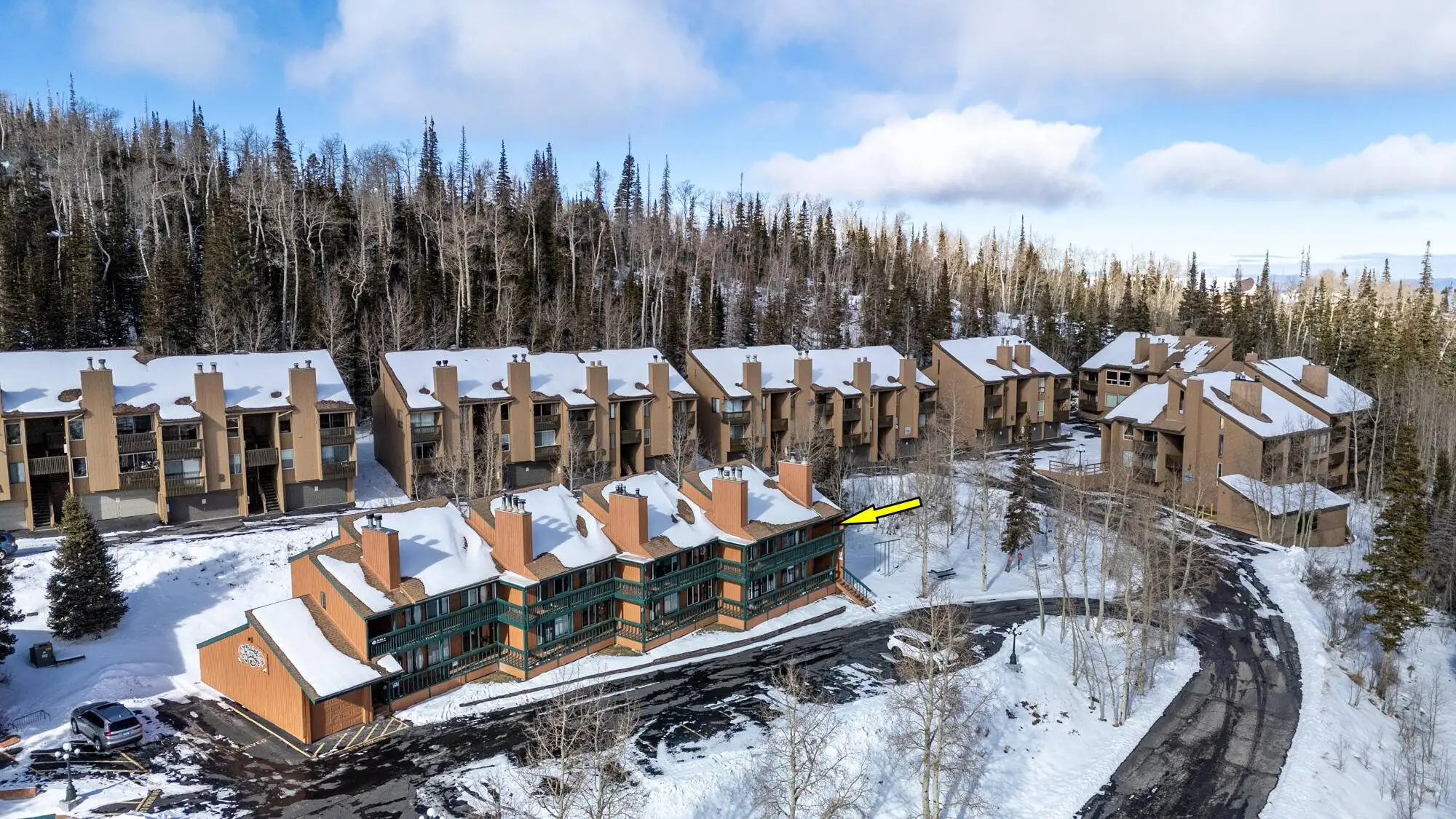
For groups or families who want more space and kitchen access, condos near the base offer a comfortable middle ground. Cook your own breakfast, spread out after a long day on the slopes, and enjoy views without breaking the budget.
Condo Pros:
- Full kitchens save on dining costs
- More space for families or groups
- Often include multiple bedrooms
Condo Cons:
- May require short drive or shuttle to lifts
- Less turnkey than hotel service
Luxury Cabins
For travelers seeking a premium experience without resort-town crowds, luxury cabins near Brian Headdeliver hot tubs, mountain views, and privacy. These are ideal for couples, small groups, or anyone who values a quiet retreat after a day on the mountain.
Cabin Pros:
- Private hot tubs and scenic views
- Quiet, secluded atmosphere
- High-end finishes and full kitchens
Cabin Cons:
- Higher nightly rates
- May be farther from base area
Why Slopeside Matters at Brian Head
Brian Head’s base elevation of nearly 9,600 feet keeps snow quality high throughout the season. Staying slopeside or near the slopes means you’re positioned for first tracks after overnight storms—a real advantage when fresh powder is on the line.
Secure your winter dates early. Book Now at Brian Head Lodge and nearby cabins for the best selection.
Brian Head Hotels also provides current snow reports, weather forecasts, and planning tips so you can choose ideal dates around storms and midweek crowd lulls.
Planning Your Utah Snow Trip: When to Go, How Long to Stay & Budget Tips
Utah’s snow resorts can suit short weekend getaways or week-long ski safaris across multiple mountains. Your timing affects prices, crowds, and snow depth—so plan strategically to take full advantage of what each season phase offers.
Season Timing Breakdown
| Time Period | Conditions | Crowds | Price Level |
|---|---|---|---|
| Early Season (Nov–mid Dec) | Variable base depths, fewer runs open | Light | Lower |
| Peak Powder (late Dec–early Mar) | Deepest snowpack, most terrain open | Highest | Premium |
| Spring Skiing (Mar–Apr/May) | Corn snow, longer days, warm temps | Moderate | Moderate |
Sample Itineraries
3-Day Weekend (Salt Lake City Base)
- Day 1: Arrive SLC, ski Brighton or Solitude (Big Cottonwood Canyon)
- Day 2: Ski Alta or Snowbird (Little Cottonwood Canyon)
- Day 3: Morning runs, fly home
5-Day Park City–Deer Valley Trip
- Days 1-2: Park City Mountain for terrain variety
- Days 3-4: Deer Valley for groomed luxury
- Day 5: Sleep in, explore Park City town, depart
4-5 Day Southern Utah Escape (Brian Head Base)
- Days 1-2: Ski Brian Head, explore beginner-to-advanced terrain
- Day 3: Half-day skiing, afternoon trip to Cedar Breaks or Bryce Canyon
- Day 4: Full day at Brian Head or side trip to Eagle Point
- Day 5: Morning laps, drive to Las Vegas (2.5 hours) for departure
Budget Tips
- Book lift tickets and rentals online in advance—especially for Park City or Deer Valley, where day-of prices are steep
- Watch for midweek lodging discounts—Tuesday through Thursday rates are often 20-30% lower
- Consider multi-day passes or Epic/Ikon products if visiting multiple Northern resorts
- Southern Utah is more affordable—Brian Head lodging and lift tickets typically cost less than Park City equivalents, making it attractive for families and longer stays
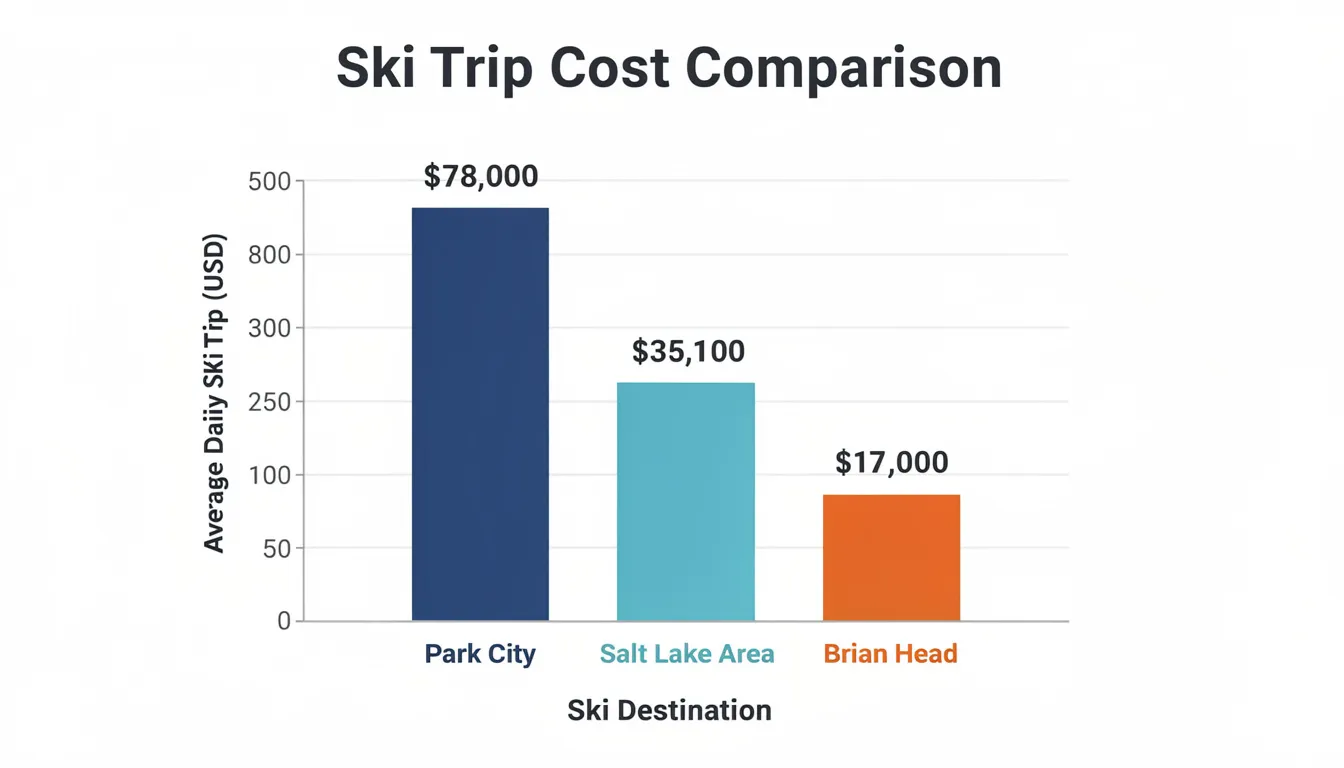
Cost Comparison: Average Daily Trip Cost (Lodging + Lift Ticket)
| Location | Approximate Daily Cost |
|---|---|
| Park City / Deer Valley | $400-600+ |
| Salt Lake City + Cottonwood Canyons | $250-400 |
| Brian Head / Cedar City | $150-250 |
| Costs vary by season, lodging type, and booking timing. |
Check Brian Head Hotels for current winter deals and packages in Southern Utah—explore Brian Head winter deals.
Best Snow Resort for You: Families, Experts, Budget Travelers & Road-Trippers
Not every Utah ski resort fits every traveler. Here’s how to match resort types to your travel style and priorities.
Families & Beginners
Look for mellow progression terrain, quality ski schools, and family-friendly pricing.
Best picks:
- Brighton – Affordable, fun atmosphere, night skiing
- Solitude Mountain Resort – Quieter, excellent instruction
- Brian Head – Family-friendly terrain, lower prices, extended season
- Nordic Valley – Budget-focused, beginner-friendly near Ogden
- Sundance Mountain Resort – Intimate setting near Provo with artistic charm
Advanced & Expert Riders
Seek big vertical, challenging lines, and consistent deep snow.
Best picks:
- Snowbird – Steep chutes, 2,100 vertical feet via tram
- Alta Ski Area – Powder paradise for skiers only
- Powder Mountain – Uncrowded cat-skiing and massive acreage
- Snowbasin – Olympic-caliber terrain with high-speed access
- Eagle Point – Quiet steeps in Southern Utah
Luxury Seekers
Prioritize grooming, service, upscale dining, and refined atmosphere.
Best picks:
- Deer Valley – Top-ranked guest services, ski-only exclusivity
- Park City Mountain – Upscale town with diverse dining and shopping
- Brian Head Luxury Cabins – Private hot tubs and quiet mountain retreats without resort-town crowds
Budget Travelers
Maximize days on snow while minimizing costs.
Best picks:
- Stay in Salt Lake City or Cedar City and commute to the mountains
- Brian Head – Affordable lift tickets and lodging
- Nordic Valley – $99 lift days, family-friendly
- Beaver Mountain – No-frills value near Logan
Road-Trippers
Combine multiple resorts and scenic stops in one epic journey.
Recommended Route:
- Start in Salt Lake City or Park City—hit Cottonwood or Park City resorts
- Drive south along the scenic Wasatch Back
- Finish at Brian Head for a red-rock finale
- Add national park stops: Bryce Canyon, Zion, Cedar Breaks
This north-to-south itinerary lets you experience Utah’s full range of snow and scenery in a single trip.
Brian Head Hotels can help Southern Utah visitors find the best match among hotels, condos, and cabins near the resort. Winter availability goes fast—Book Now while you have options.
Utah Snow Resort Events: Festivals, Races & Après-Ski Happenings
Utah’s ski resorts are about more than just world-class slopes and fresh powder—they’re also home to a vibrant calendar of events that bring the mountains to life all winter long.
Whether you’re a seasoned skier, a first-timer, or just along for the fun, there’s always something happening to make your Utah ski trip unforgettable.
Northern Utah’s resorts near Salt Lake City are famous for their lively winter scene. Park City Mountain Resort, the largest ski resort in the U.S., hosts everything from high-energy terrain park competitions to family-friendly winter carnivals.
Don’t miss the annual Snowfest in Park City, where live music, fireworks, and themed ski days keep the party going both on and off the slopes. Over at Deer Valley, you’ll find world-class ski races and gourmet food festivals, perfect for those who love a touch of luxury with their turns.
Solitude Mountain Resort and Brighton keep things fun with torchlight parades, night skiing events, and local brews at their cozy après-ski spots.
Snowbird and Alta Ski Area, nestled in Little Cottonwood Canyon, are known for their legendary spring parties and mountain-top concerts—ideal for skiers and snowboarders looking to celebrate a perfect day on the slopes.
With easy access from Salt Lake City International Airport, you can land in the city and be part of the action in no time.
Southern Utah’s snow resorts offer a unique twist on winter festivities. Brian Head Resort is famous for its laid-back, family-friendly vibe, hosting everything from snow sculpture contests to live music nights and holiday celebrations.
Eagle Point, tucked away in the mountains near Beaver, features local races and community events where everyone feels like a regular.
The terrain park at Powder Mountain draws riders from across the region for jam sessions and freestyle throwdowns, while Cherry Peak and Beaver Mountain keep the fun going with night skiing parties and winter carnivals.
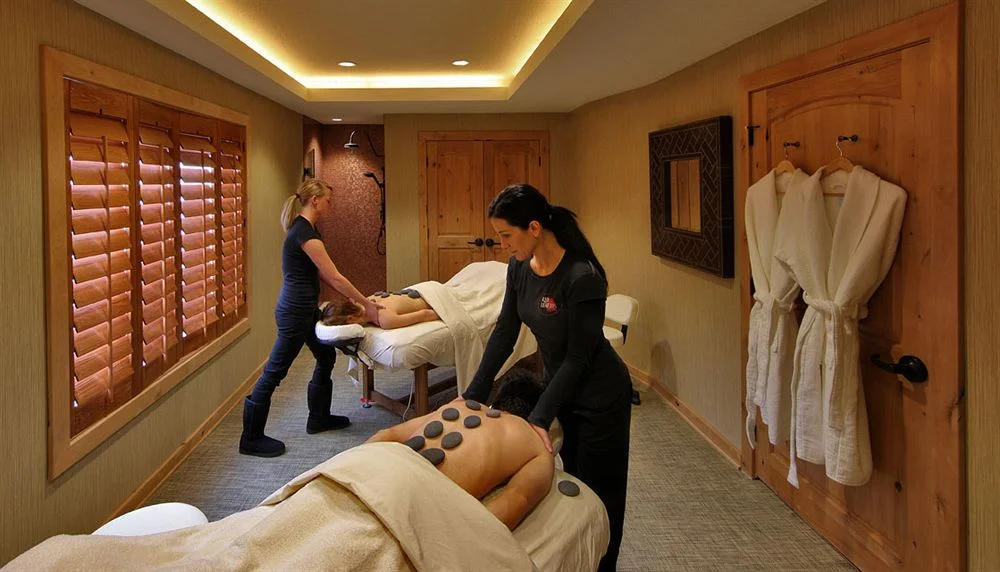
Après-ski in Utah is an experience all its own. After a day carving up the slopes, unwind with friends and family at one of the many mountain resort bars, enjoy live music, or treat yourself to a spa session.
Resorts like Sundance Mountain Resort and Solitude offer cozy fireside lounges and gourmet dining, while Park City and Salt Lake City boast a buzzing nightlife scene with everything from craft cocktails to local brews.
No matter your skill level or travel style, Utah’s ski resorts deliver a full season of winter activities, races, and entertainment. From the adrenaline rush of a ski race at Snowbasin to the relaxed charm of a family festival at Brian Head, there’s always a reason to celebrate the greatest snow on earth.
With easy access from Salt Lake City International Airport and a wide range of events for all ages, planning your Utah ski vacation around these happenings guarantees memories that last long after the snow melts.
So why wait? Mark your calendar, gather your friends and family, and experience the best of Utah’s snow resorts—where every trip is more than just a day on the mountain, it’s a celebration of winter in the world’s most spectacular setting.
Utah Snow Resorts FAQs
Here are quick answers to the most common questions about Utah ski resorts, from snow quality to travel logistics.
What months have the best snow in Utah?
January through early March typically delivers the deepest snowpack and most consistent powder days across Utah. December can be excellent as well, particularly after holiday storms. Spring skiing (March–April) offers sunny days and softer corn snow conditions.
How many ski resorts are in Utah?
Utah has 15+ major ski resorts spread across northern and southern regions, ranging from massive destinations like Park City Mountain to intimate gems like Sundance and Beaver Mountain. Utah has 15 ski resorts, with 10 of them located within an hour’s drive from Salt Lake City International Airport.
Which resorts are closest to Salt Lake City airport?
The Cottonwood Canyon resorts—Alta, Snowbird, Brighton, and Solitude—are all within 35-45 minutes of Salt Lake City International Airport. Park City Mountain and Deer Valley are about 40-50 minutes away.
Is Brian Head good for beginners and families?
Absolutely. Brian Head offers excellent beginner and intermediate terrain, affordable pricing, and a relaxed atmosphere that makes it ideal for families and those new to skiing or snowboarding. The extended season (through May) also means more opportunities for spring learning trips.
Can I ski multiple Utah resorts in one trip?
Yes. Utah’s compact geography makes multi-resort trips easy. You can visit 2-3 Northern resorts from a Salt Lake City base in a long weekend, or combine a few days in Park City with a drive south to Brian Head for variety.
What’s different about Southern Utah snow resorts?
Southern Utah resorts like Brian Head and Eagle Point offer smaller crowds, lower prices, and stunning red-rock scenery you won’t find near Salt Lake. The trade-off is a longer drive and fewer nightlife options—but many visitors find the quieter, more scenic experience worth it.
How far is Brian Head from Salt Lake City?
Brian Head is approximately 220 miles from Salt Lake City, about a 3.5-4 hour drive. It’s also just 2.5 hours from Las Vegas, making it accessible from multiple directions.
Where should I stay in Southern Utah for skiing?
Brian Head Resort area offers the best lodging options for Southern Utah skiing. Brian Head Lodge provides slopeside convenience with hot tubs and on-site dining, while nearby condos and cabins offer more space and privacy. Brian Head Hotels can help you find the right fit for your group.
How long does Brian Head’s season last compared to Northern Utah?
Brian Head often runs through early May (2025/26 season scheduled through May 10), while most Northern Utah resorts close by mid-April. This extended window makes Brian Head excellent for spring skiing and late-season trips.
Utah is known for its world-class ski resorts, averaging 500 inches of the driest, lightest powder snow annually.
Still have questions about Brian Head lodging options? Visit Brian Head Hotels’ planning page for current availability and trip-planning resources.
Key Takeaways
- Utah hosts 15+ ski resorts across Northern and Southern regions, each offering distinct terrain, vibes, and price points
- Northern Utah (Salt Lake City / Park City area) delivers massive snowfall, world-class resort variety, and easy airport access
- Southern Utah (Brian Head / Eagle Point) offers quieter slopes, lower prices, unique red-rock scenery, and extended seasons
- Brian Head Hotels provides dedicated lodging and trip-planning for Southern Utah visitors, from slopeside hotels to luxury cabins
- Plan your trip timing around your priorities: peak powder in January–February, value in early December, or sunny spring skiing in March–April
- Match your resort choice to your traveler type: families and beginners thrive at Brian Head and Brighton, experts love Snowbird and Alta, and road-trippers should plan a north-to-south Utah adventure
The ski resorts in Utah are known for their unique characteristics and charm, offering something for every type of snow enthusiast.
Whether you’re chasing deep powder in Little Cottonwood Canyon or red-rock views at Brian Head, Utah delivers world-class snow experiences for every type of traveler. Start planning your Utah ski trip today—and if Southern Utah is calling, Book Now at Brian Head Hotels to secure the best winter dates.