
Introduction
Welcome to your complete guide to Utah Brian Head,—a high-elevation mountain town and resort that offers year-round adventure for families, skiers, snowboarders, and outdoor enthusiasts.
In this guide, you’ll find everything you need to know about Brian Head’s location, activities, lodging options, travel tips, and insider advice for making the most of your visit.
Whether you’re planning a winter ski trip, a summer mountain escape, or a national park road trip, Brian Head stands out as a rustic mountain village surrounded by Dixie National Forest and centrally located between Zion National Park, Bryce Canyon, and Cedar Breaks National Monument.
As a year-round outdoor adventure destination, Brian Head is perfect for those seeking uncrowded slopes, affordable fun, and access to some of Utah’s most iconic landscapes.
Quick Answer: Why Visit Brian Head, Utah?
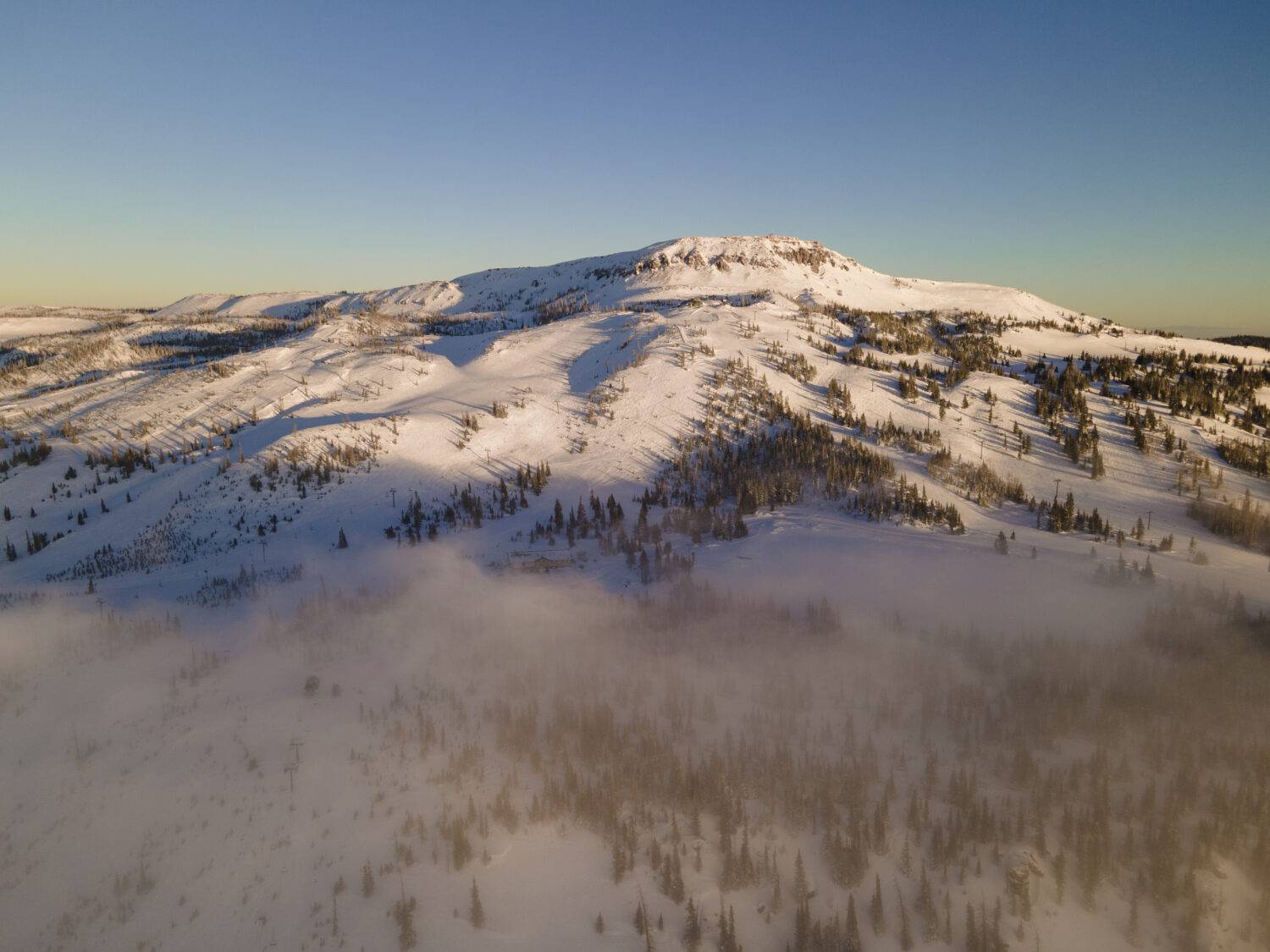
Brian Head stands as Utah’s highest resort town, sitting at nearly 10,000 feet in elevation where epic Utah powder blankets the slopes from November through April.
Brian Head Ski Resort, Utah’s highest resort, offers great snow and scenic runs for skiing and snowboarding, making it a premier, family-friendly winter destination in Southern Utah.
This small southern Utah destination offers families and budget-conscious skiers something increasingly rare: uncrowded runs, affordable tickets, and over 360 inches of annual snowfall without the chaos of bigger resorts.
Brian Head Town sits around 9,800–9,900 ft in elevation, while the resort’s summit near 11,000–11,300 ft makes it one of the highest ski areas in the entire United States. That lofty perch translates to reliable snow conditions and cooler summer temperatures that draw visitors year-round.
Pros:
- Deep snow with over 360 inches annually and a long season
- Uncrowded slopes with minimal lift lines even on weekends
- Affordable ticket prices compared to Park City or Deer Valley
- Family-friendly terrain with excellent beginner areas
- Easy access from Las Vegas (3 hours) and Salt Lake City (4 hours)
- Close proximity to Cedar Breaks National Monument and red rock parks
Cons:
- Thinner air at high altitude can cause headaches and fatigue
- Limited nightlife and shopping options in the small town
- Winter driving conditions on Highway 143 require preparation
- Smaller overall terrain than major Wasatch resorts
The location also makes Brian Head an ideal base camp for exploring Utah’s famous red rock country. Cedar Breaks National Monument sits just minutes away, while Zion National Park and Bryce Canyon are within a 1.5–2.5 hour drive from las vegas or the town itself.
Book Now: Brian Head Lodging Deals
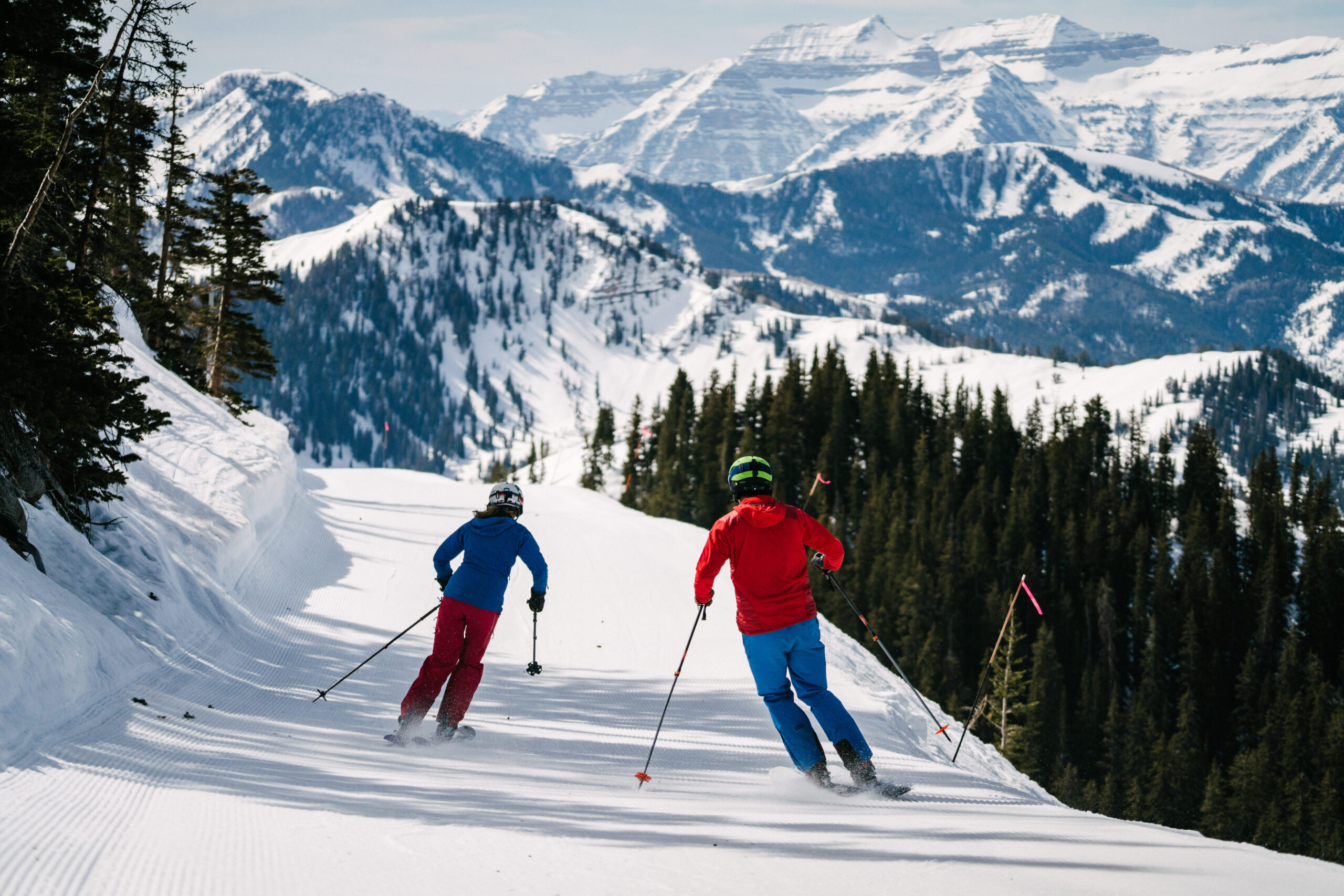
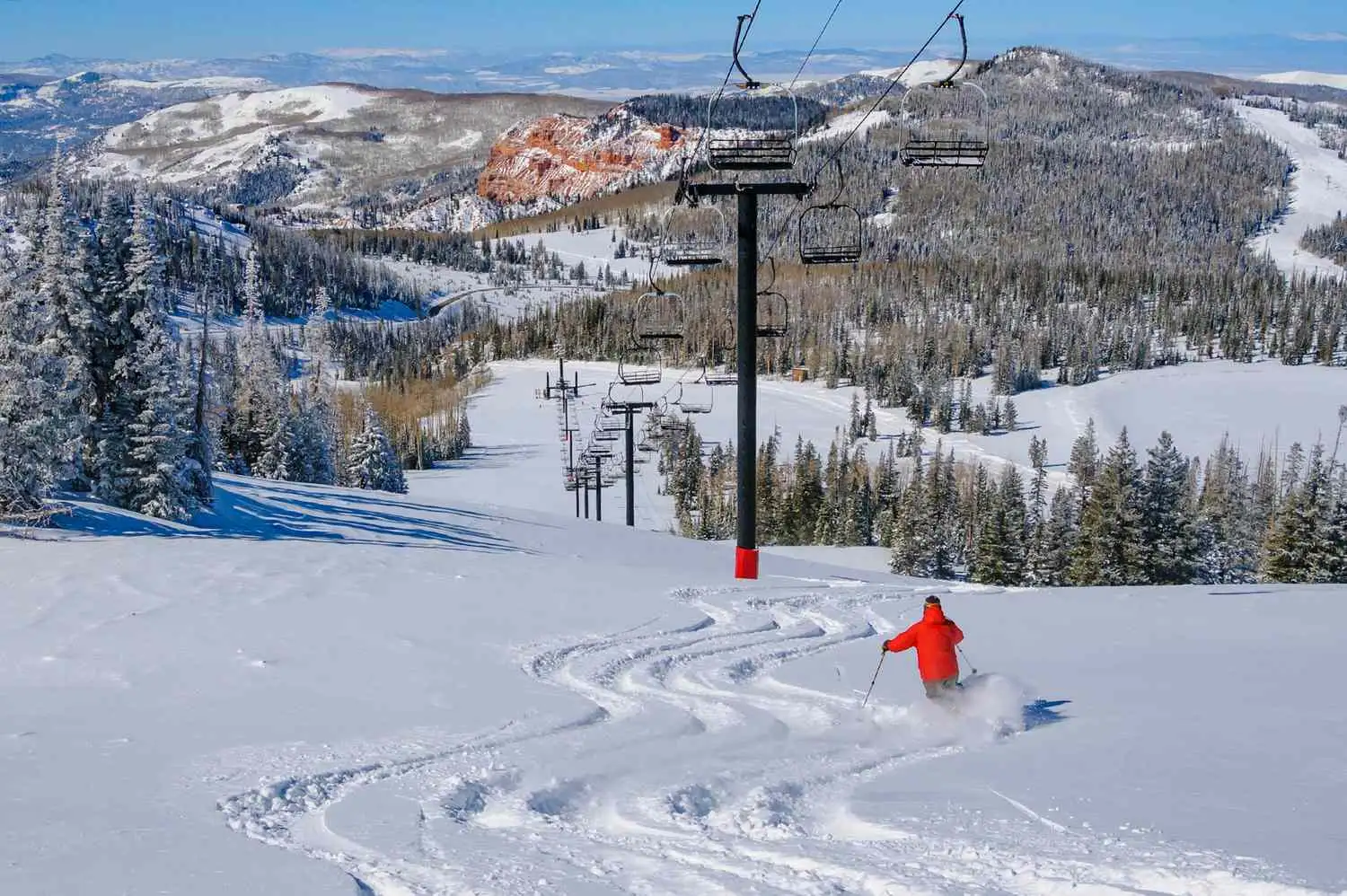
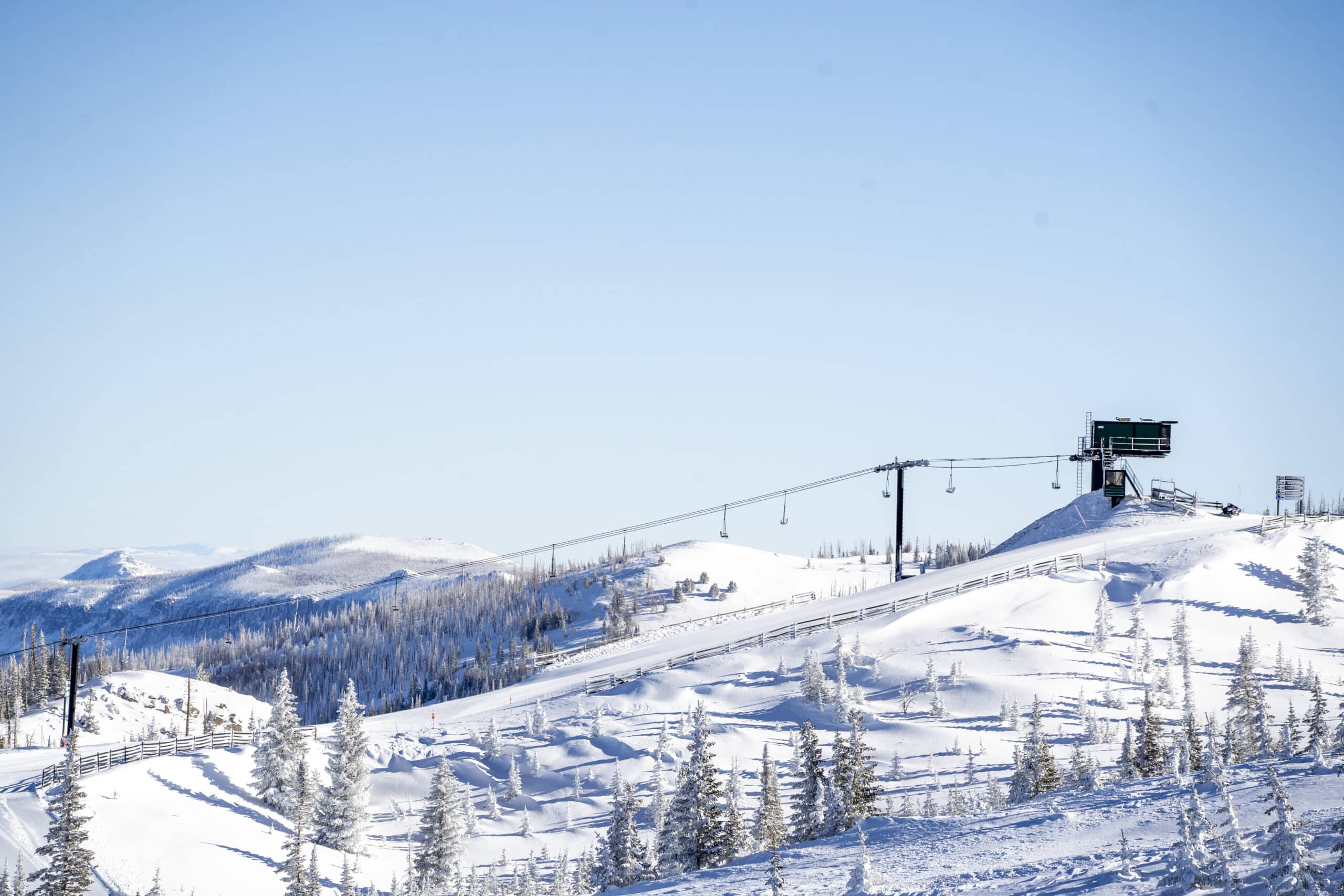
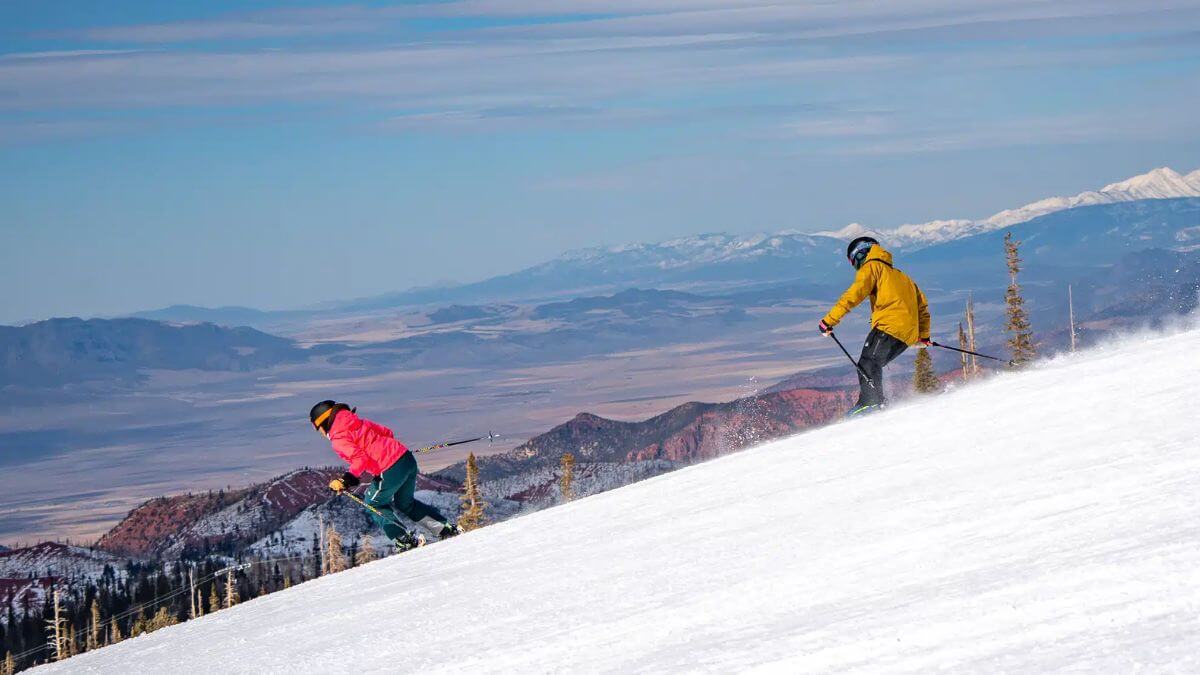
Skiers enjoy the view from Giant Steps, where alpine terrain meets red rock scenery.
Where Is Brian Head, Utah? Location & Elevation
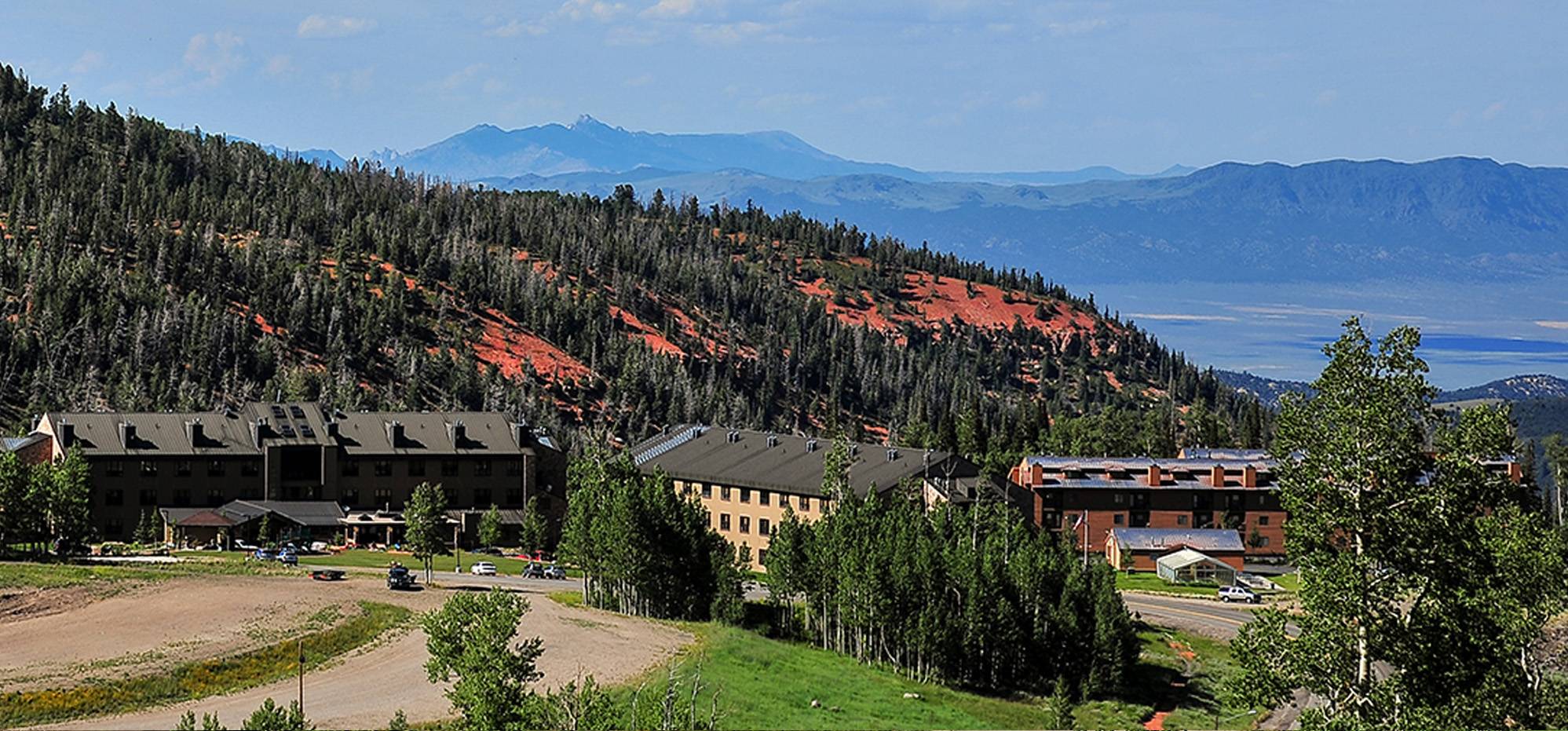
Brian Head is located in Iron County in southern Utah, nestled high on the Markagunt Plateau about 29 miles northeast of Cedar City along Utah Highway 143.
This rustic mountain village sits within the expansive Dixie National Forest, surrounded by spruce forests, aspen groves, and volcanic ridgelines that create a landscape dramatically different from Utah’s famous desert parks. Brian Head is a year-round outdoor adventure destination, offering diverse recreational opportunities where people and nature co-exist.
The town is centrally located between Zion National Park, Bryce Canyon National Park, and Cedar Breaks National Monument, making it a perfect hub for exploring Southern Utah’s most iconic natural wonders.
The town’s GPS coordinates center around 37.702° N, 112.85° W, with the town elevation at approximately 9,800 ft above sea level. The ski resort’s base elevation starts around 9,600 ft at the Navajo Lodge area, while the summit reaches between 10,970–11,307 ft depending on which peak you’re measuring.
This makes Brian Head the highest base elevation of any ski resort in Utah and one of the highest resort towns in America.
The town is positioned strategically between several major destinations, making it an excellent hub for multi-day trips that combine snow with sightseeing.
Location Pros:
- Easy road access from I-15 via Parowan (Exit 75)
- Close to Cedar Breaks National Monument (10–15 minutes)
- Central location between Zion National Park and Bryce Canyon
- Surrounded by Dixie National Forest trails and recreation
Location Cons:
- Steep mountain drive on UT-143 in winter conditions
- Limited public transit once in the area
- Nearest major services in Cedar City (45 minutes away)
Brian Head’s central location makes it easy to reach from multiple directions.
Getting to Brian Head, Utah
Most visitors drive to Brian Head, with the closest city being Cedar City, Utah—about 45 minutes away via UT-143. The mountain road climbs steeply through Dixie National Forest, gaining several thousand feet of elevation in just 14 miles.
Driving Routes and Times:
- From Las Vegas: Allow approximately 3 hours. Take I-15 north to Parowan (Exit 75), then drive about 14 miles up UT-143 to the resort. This hour drive from las is the most popular access route for weekend visitors.
- From Downtown Salt Lake City: Plan for 3.5–4 hours via I-15 south to Parowan, then UT-143 east to Brian Head.
- From Cedar City Regional Airport: About 35–45 minutes by car via UT-130 and UT-143. This small airport offers limited commercial flights but works well for private aviation.
Winter Driving Tips:
The drive from las vegas or Salt Lake City is straightforward on I-15, but UT-143 requires extra caution in winter. Check Utah DOT road conditions before departure, especially after storms.
AWD or 4WD vehicles are strongly recommended, and carrying chains is smart insurance during January and February when storms can drop heavy snow quickly.
Parking and Getting Around:
- Free parking lots are available at both Giant Steps and Navajo base areas.
- On busy weekends and holidays, arrive before 9 AM to secure close spots.
- The resort operates a free internal shuttle connecting the two mountains, so you can park once and access everything.
For those flying into Las Vegas or Salt Lake City, rental cars are the most practical option. Limited ride-share availability exists in the mountain town, so pre-arranged transportation is advisable if you’re not renting a vehicle.
Highway 143 climbs through Dixie National Forest to reach Brian Head.
Brian Head Town Overview
Brian Head is a tiny, rustic mountain village where nature co-exists with a small permanent population of around 150–170 year-round residents. On winter weekends and holidays, the town swells significantly as visitors fill condos, cabins, and lodges throughout the area.
Town Basics
- Located at roughly 9,800–9,900 ft elevation, Brian Head ranks among the highest incorporated towns in the United States.
- The town sits entirely within Dixie National Forest boundaries, with Cedar Breaks National Monument just a few miles to the south.
- Development consists primarily of vacation rentals, small lodges, a handful of restaurants and bars, and essential services for visitors.
Available Services
- Small grocery/convenience store for basics
- Ski and snowboard equipment rental shops
- Bike tune and repair services in summer
- Several cafés, grills, and pizza spots
- Gas station access typically requires a trip to Parowan or Cedar City
Town Vibe Pros
- Quiet, laid-back atmosphere perfect for families
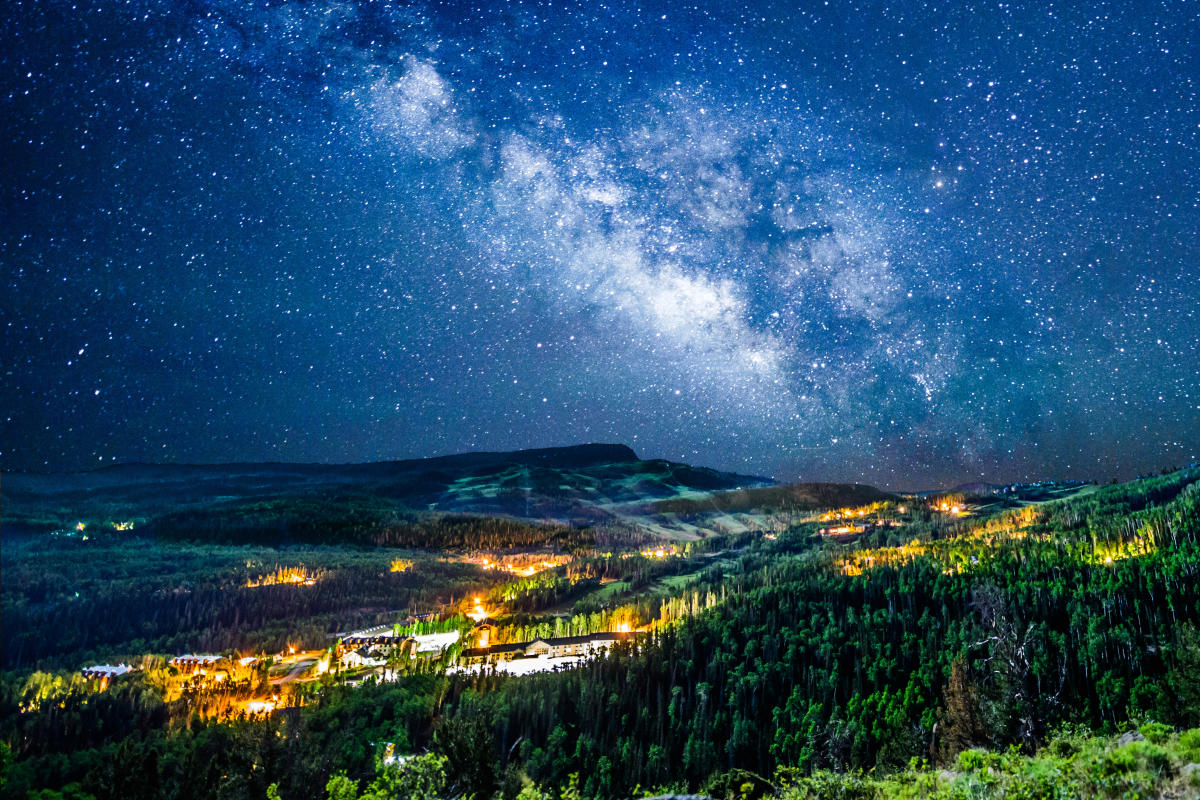
- Excellent stargazing with minimal light pollution
- No crowds or traffic congestion
- Friendly, welcoming community feel
Town Vibe Cons
- Very limited nightlife options
- Minimal shopping beyond gear and essentials
- Some businesses operate seasonally
- Need to drive to Cedar City for major supplies
The Brian Head Visitor Center on Highway 143 provides trail maps, current conditions, and upcoming events information. Stop here first if you’re new to the area.
Brian Head’s quiet streets and cozy cabins create a true mountain escape.
Brian Head Resort: Ski & Snowboard Overview
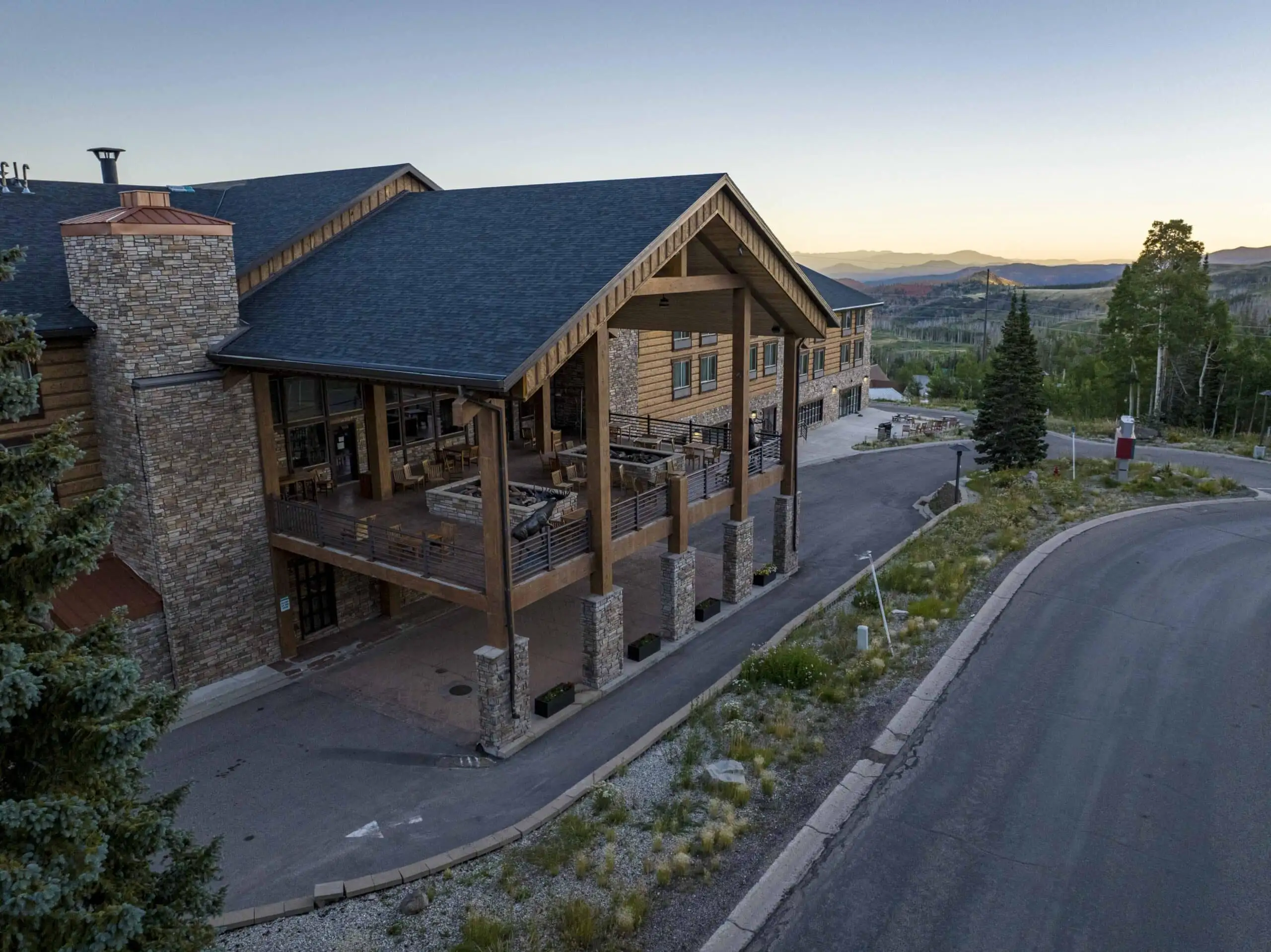
Brian Head Resort operates as southern Utah’s premier ski destination, offering a high-elevation, family-friendly experience at prices that won’t empty your wallet. The resort spans two connected mountains—Giant Steps and Navajo—providing diverse recreational opportunities for all skill levels.
Key Statistics
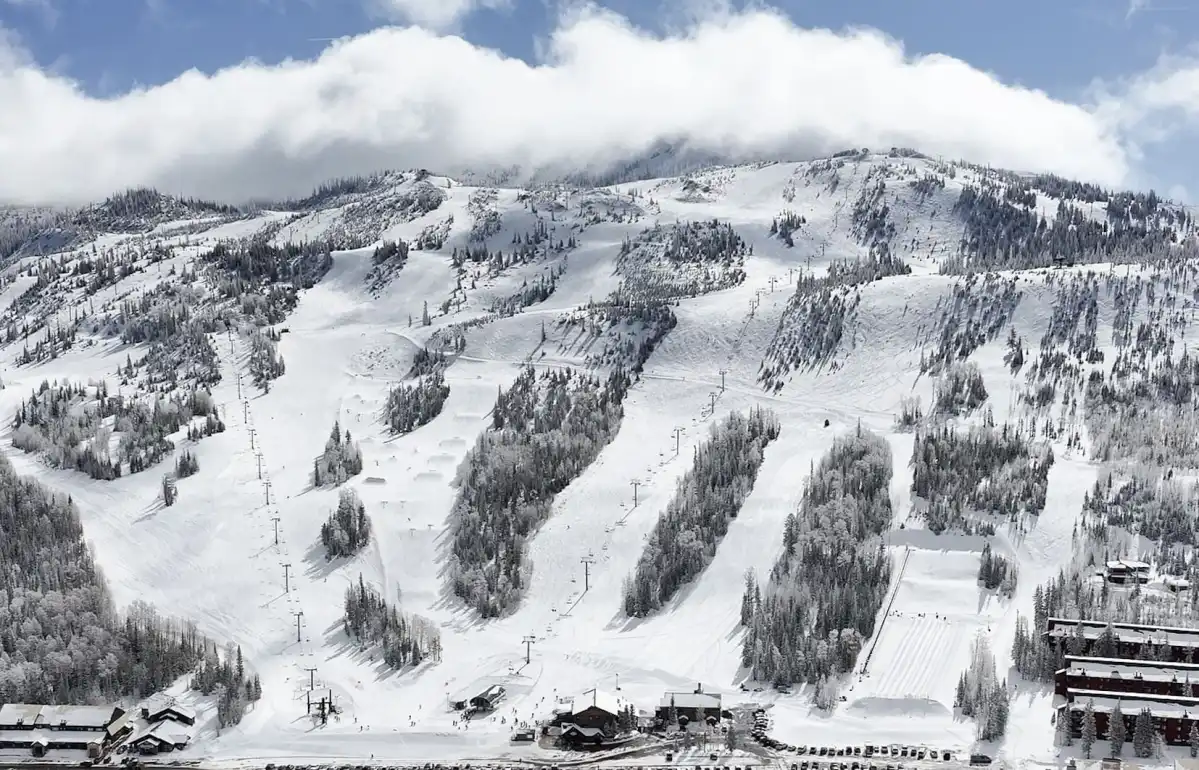
Brian Head Resort is Utah’s highest resort, offering 650 acres of skiable terrain, 71 runs, 8 lifts (including high-speed quads), a vertical drop of 1,320 feet, and a base elevation of 9,600 feet. The terrain breakdown is 21% beginner, 41% intermediate, 28% advanced, and 10% expert runs.
- The resort covers over 650 skiable acres with approximately 71 runs spread across both mountains.
- Eight lifts serve the terrain, including high speed quads like the Giant Steps Express, which provides quick access to the summit.
- The vertical drop reaches about 1,320 feet, with runs ranging from gentle groomers to steep chutes and glades.
- Annual snowfall regularly exceeds 360 inches, creating consistent conditions from mid-November through mid-April.
- The high base elevation means snow quality stays light and dry longer than at lower-elevation resorts.
The Two Base Areas
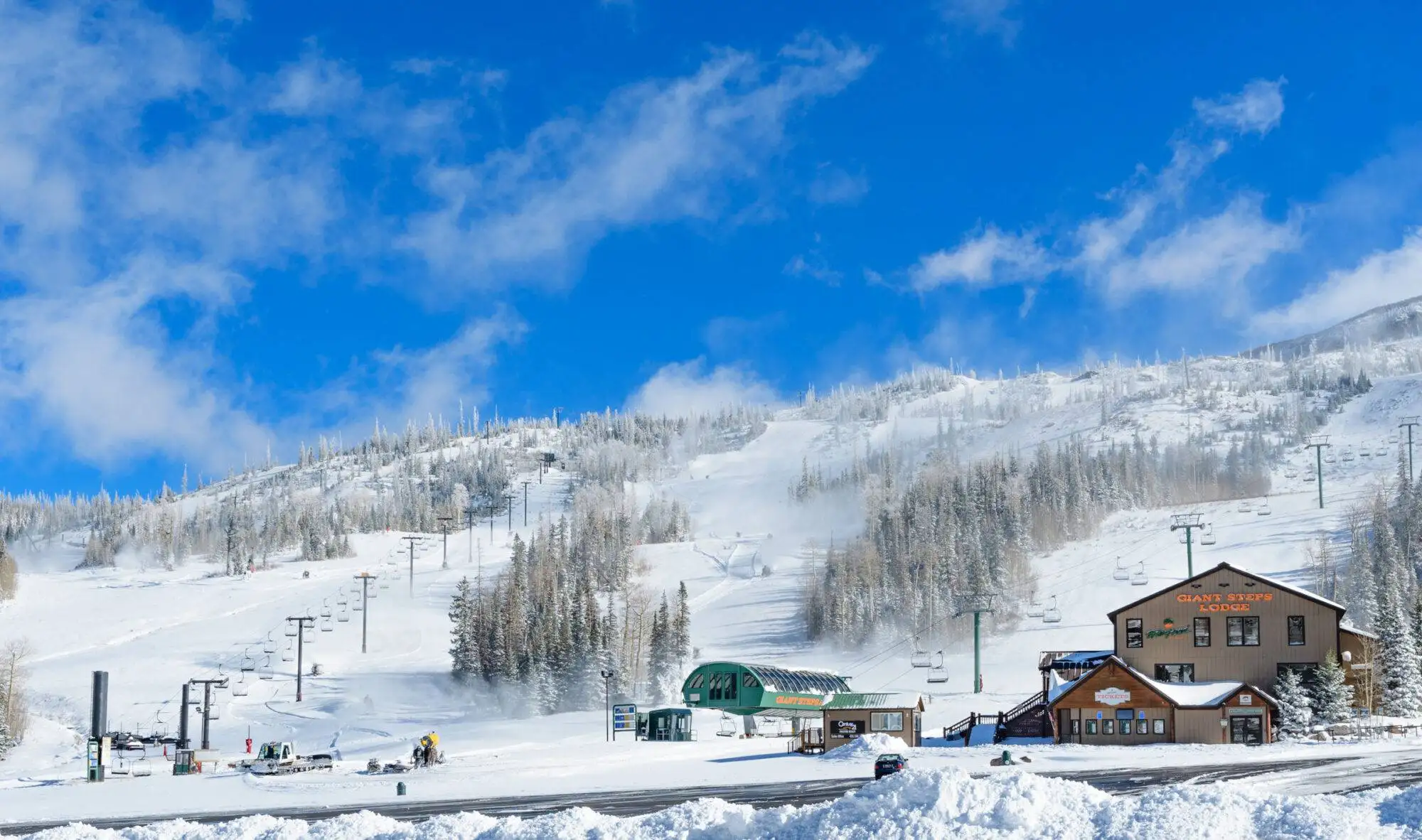
Giant Steps: Home to steeper terrain, revamped terrain parks, and night skiing on select evenings. This side attracts intermediate to expert skiers looking for more challenge.
The Last Chair Grill and other après-ski spots keep things lively after the lifts close. The main hill here is popular for snowboarding and tubing, offering accessible terrain features for all ages.
Navajo Mountains: Features gentler slopes ideal for beginners and families. The Navajo Lodge serves as the hub for kids’ programs, with surface lifts and magic carpet areas providing a safe learning environment.
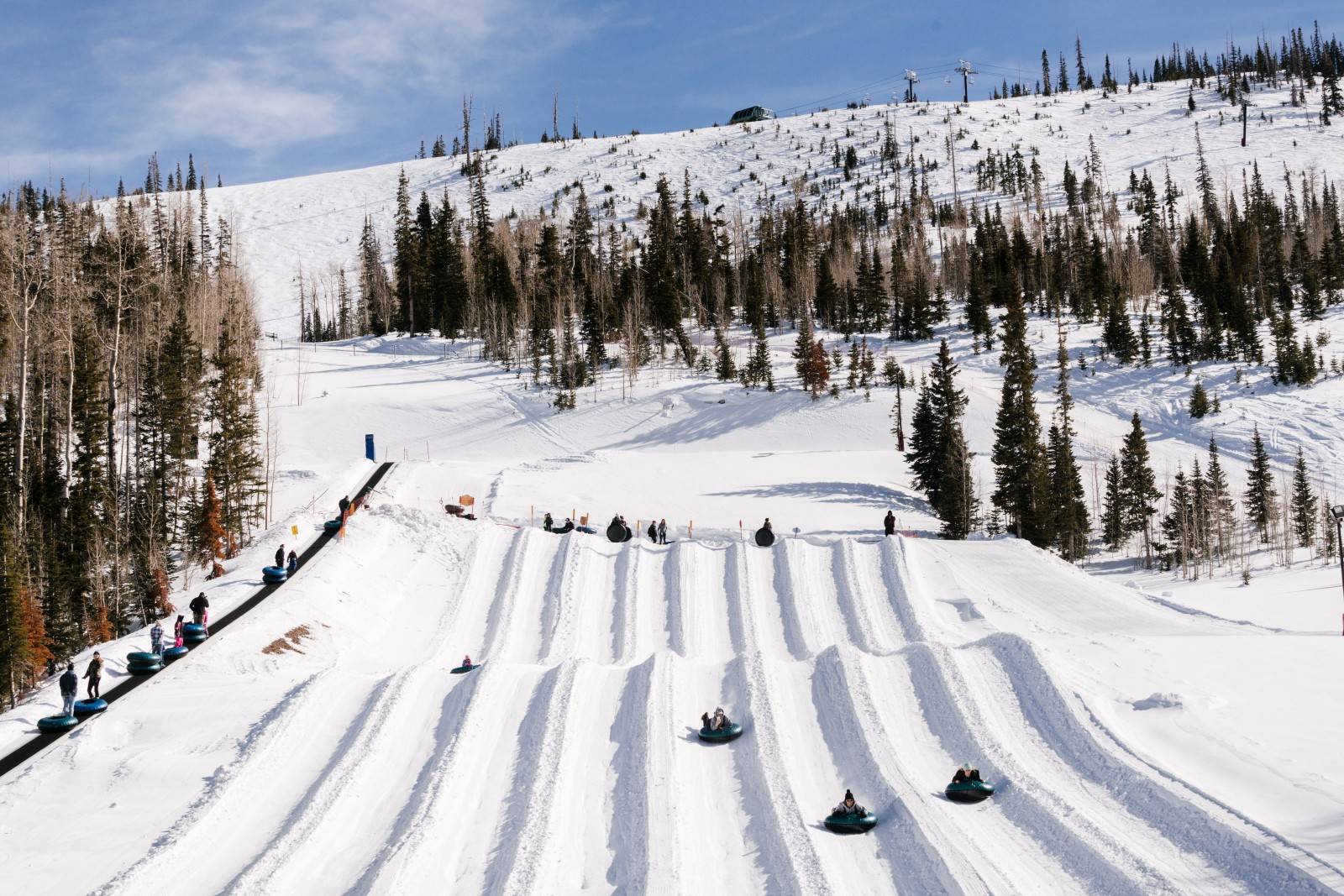
Two tube parks located here offer non-skiing fun for the whole family on specially designed hills. Navajo Peak also features a dedicated learning area, making it an excellent spot for those new to skiing or snowboarding.
Terrain Breakdown
The mountain caters well to developing skiers while still offering plenty for advanced riders. Approximately 21% of runs suit beginners, 41% target intermediates, 28% challenge advanced skiers, and 10% are for expert skiers. Brian Head Resort has a terrain park with over 20 features for all skill levels.
Notable runs include:
- Freefall and The Edge: Steep shots for expert skiers seeking challenge
- Navajo Loop and Alpen Way: Wide, gentle runs perfect for learning
- Hard Times and Gold Gulch: Intermediate cruisers with consistent pitch
Pros for Skiers and Snowboarders
- Uncrowded runs even on holiday weekends
- Frequent powder days thanks to 360”+ annual snowfall
- Short lift lines compared to Wasatch Front resorts
- Excellent value with lower ticket prices
- High speed detachable quad lifts minimize wait times
Cons for Skiers and Snowboarders
- Smaller overall size than major Utah destination resorts
- Limited extreme terrain for those seeking aggressive steeps
- Weather-dependent road access during major storms

The view from Giant Steps spans across the Markagunt Plateau toward Cedar Breaks.
Several restaurants and bars are located at or nearby Brian Head Resort.
Book Now: Discount Brian Head Lift Tickets
Winter at Brian Head: Snow, Activities & Operating Info
Winter transforms Brian Head into a snowy wonderland, with reliable conditions and a relaxed atmosphere that stands in stark contrast to the packed slopes at Utah’s northern mega-resorts.
The combination of high elevation and consistent Pacific storms creates ideal conditions for families and powder seekers alike.
Snow and Weather
- Average annual snowfall exceeds 360 inches, with most storms rolling in between December and March.
- The cold, dry climate at this elevation produces light, fluffy powder that skiers and snowboarders love.
- Expect temperatures ranging from the teens to low 30s°F during peak winter, with occasional cold snaps dropping below zero.
- The strong UV at 10,000+ ft above sea level demands attention—sunscreen and quality goggles are essential even on cloudy days.
Operating Hours
- The ski resort typically runs lifts from mid-morning through mid-afternoon on weekdays, with extended hours on weekends and holidays.
- Many activities and extended hours are also available on Sunday, making it a great option for weekend visitors.
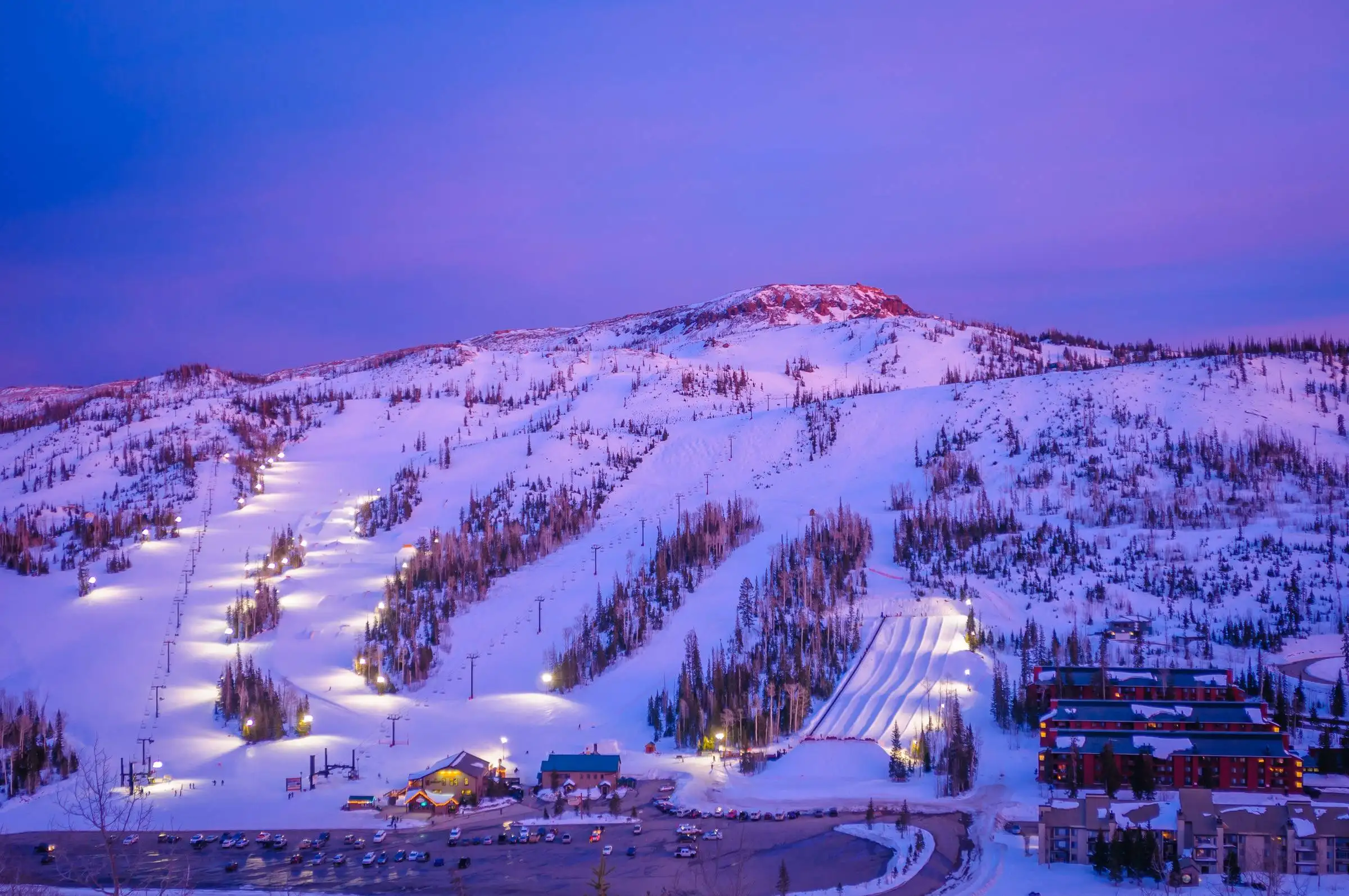
- Night skiing operates on select evenings (usually Friday, Saturday, and peak holiday periods) on lit runs at Giant Steps, offering a unique experience under the lights.
Primary Winter Activities
- Skiing and Snowboarding: Access both mountains via interconnected trails and lifts. Groomers, glades, and terrain parks cater to all skill levels.
- Snow Tubing: The two tube parks offer timed sessions (typically 1.5–2 hours) at both Giant Steps and Navajo. Advance reservations are strongly recommended during Christmas, Presidents’ Day, and other peak periods.
- Kids Camp and Lessons: The resort’s ski school offers three age specific programs designed for different developmental stages. Half day and day all inclusive packages include rentals, instruction, and often lunch. Book at least 1–2 weeks ahead for holiday periods.
- Terrain Parks: The “Training Grounds” feature countless features ranging from small rollers and boxes for beginners to larger jumps and rails for experienced freestyle riders.
Winter Visit Pros
- Family pricing with kids-ski-free promotions on select dates
- Relaxed vibe without the intensity of larger resorts
- Easy-to-navigate layout keeps families together
- Live music and events at base lodges on weekends
Winter Visit Cons
- Fewer off-slope entertainment options than bigger towns
- Potential whiteout storms can limit visibility
- Altitude adjustment harder for visitors from sea level
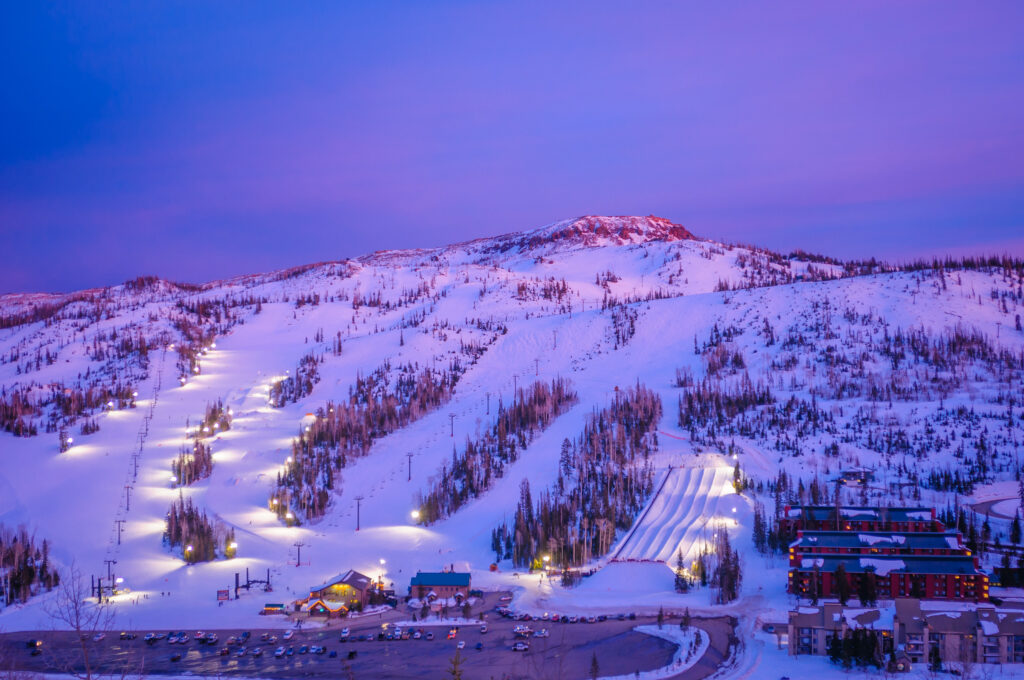
Night skiing at Giant Steps extends the fun well past sunset.
Summer in Brian Head: Hiking, Biking & Mountain Fun
When snow melts, Brian Head transforms into a cool mountain escape from June through October. While Las Vegas and St. George bake in triple-digit heat, temperatures at 10,000 feet often stay 15–25°F cooler, making it an ideal summer retreat.
Primary Summer Resort Activities
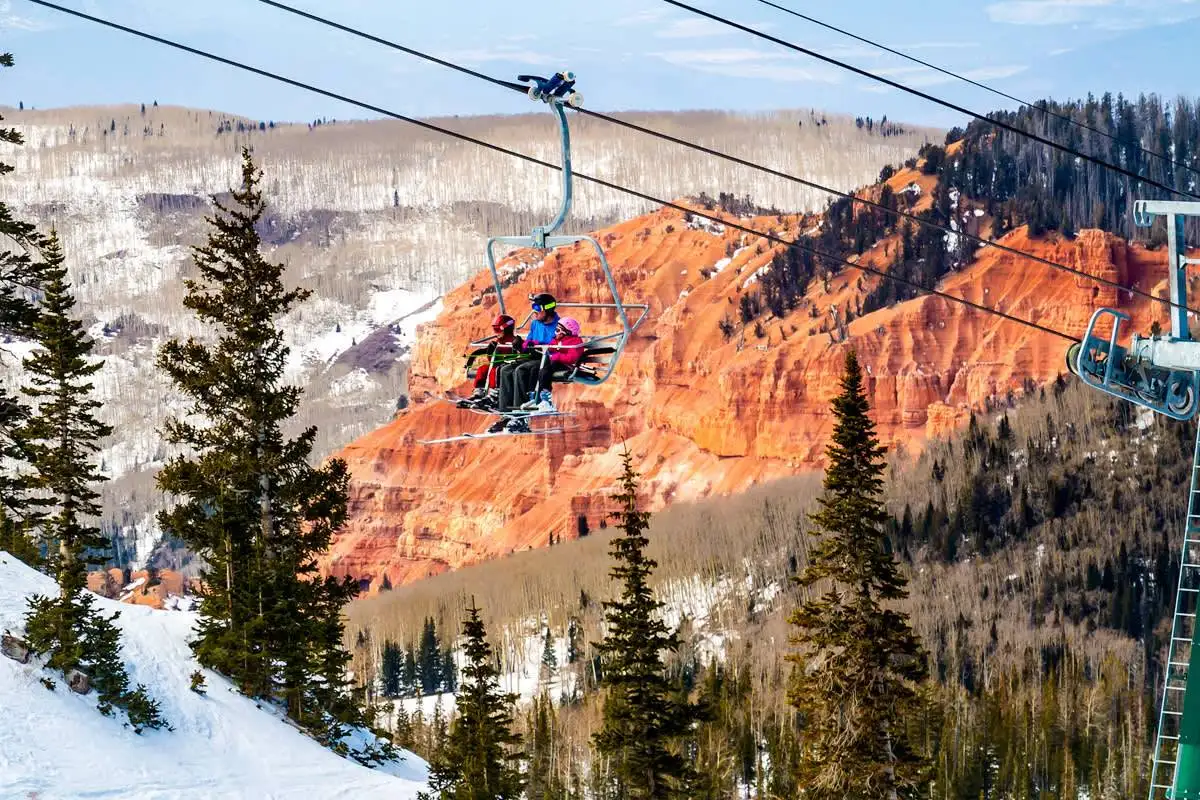
- Scenic Chairlift Rides: Select summer weekends feature chairlift operations for sightseeing, providing stunning viewpoints over Cedar Breaks and the surrounding volcanic plateaus.
- Mountain Bike Park: The resort operates lift-served downhill trails during summer, with access to over 200 miles of backcountry singletrack throughout Dixie National Forest. The typical season runs mid-June through mid-October, weather permitting.
- Family Attractions: Summer activities include disc golf courses, small zip lines, bungee trampolines, climbing walls, and summer tubing where available.
- Weekend Events: The town hosts car shows, music festivals, Fourth of July celebrations, and mountain bike races throughout the summer season.
Non-Resort Outdoor Activities
- Cedar Breaks National Monument: Just 10–15 minutes away, this 3-mile-wide, 2,000-foot-deep amphitheater rivals Bryce Canyon in beauty. Rim hikes and sunset photography make for perfect half-day excursions.
- Dixie National Forest Trails: Options range from easy nature walks like Alpine Pond Loop to longer backcountry explorations like Rattlesnake Creek Trail.
Summer Pros
- Low humidity and comfortable temperatures
- Spectacular wildflower displays in July
- Fewer crowds than winter season
- Excellent stargazing with dark skies
Summer Cons
- Afternoon thunderstorms possible, especially July–August
- Limited weekday operations for some activities, including cabin rentals
- Altitude adjustment affects some visitors
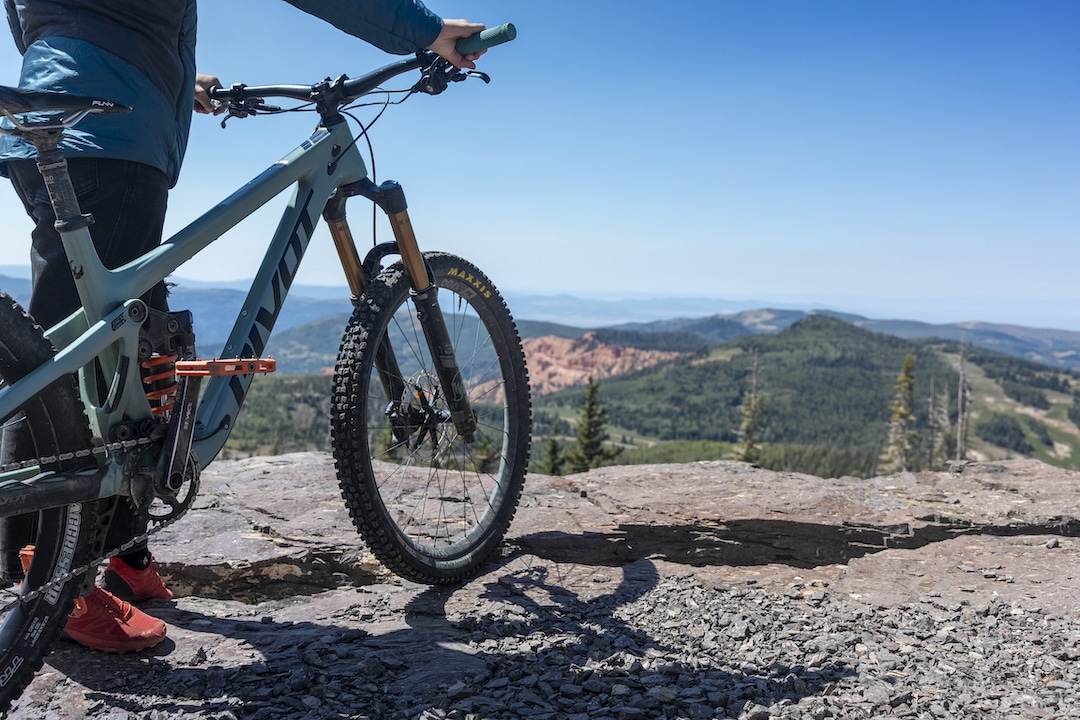
Summer mountain biking offers big vertical drops with cooler temperatures than the desert below.
Brian Head Mountain Bike Park & Trails
Brian Head has emerged as one of Utah’s underrated mountain biking hubs, offering high-alpine trails with massive vertical drops and stunning scenery. The combination of lift-served access and shuttle-friendly routes creates diverse recreational opportunities for riders of all abilities.
Bike Park and Trail Access
- Lift-served biking operates on select weekends during summer, typically late June through September. Riders can load bikes on designated lifts for quick access to high-elevation trailheads without the climb.
- Shuttle services drop riders at trailheads for epic descents down to towns like Parowan, covering thousands of vertical feet through aspen groves and volcanic terrain.
Sample Trail Experiences
- Parowan Descent: A long, flowy trail dropping into the valley below with fast sections, switchbacks, and panoramic views—one of the region’s signature rides.
- Intermediate Resort Loops: Trails near the base areas feature banked turns, small jumps, and forgiving terrain for developing riders.
- Technical Advanced Options: Rock gardens, steep pitches, and challenging features satisfy experienced riders looking for a workout.
Rentals and Lessons
- Full-suspension bike rentals and protective gear are available at base area shops.
- Skills clinics and guided rides help newer riders or families gain confidence before tackling bigger terrain.
Mountain Biking Pros
- Big vertical drops with lift or shuttle access
- Cool temperatures compared to desert riding
- Relatively uncrowded trails even on weekends
- Stunning alpine scenery throughout
Mountain Biking Cons
- High altitude can sap energy quickly
- Some trails are remote with limited cell coverage
- Weather-dependent access after summer storms
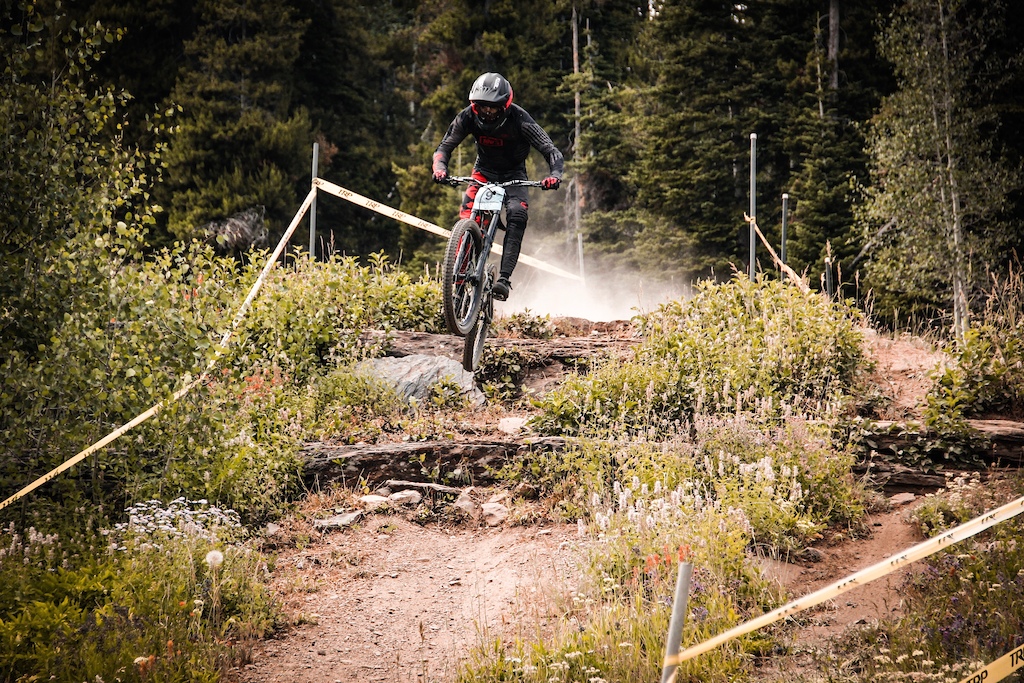
High-alpine riding offers views and conditions unlike anywhere else in Utah.
Book Now: Brian Head Bike & Stay Packages
Top Things to Do in and Around Brian Head (Year-Round)
Beyond skiing and mountain biking, Brian Head anchors a wider region packed with natural attractions and road trip possibilities. The town’s location makes it easy to combine alpine recreation with visits to some of America’s most iconic landscapes.
Must-Do Activities
- Cedar Breaks National Monument: Drive 10–15 minutes to Point Supreme for rim viewpoints, sunset photography, and short hikes like the Alpine Pond Trail. Access is seasonal, generally late June through October.
- Bryce Canyon National Park: About 1.5–2 hours away, this park features otherworldly hoodoo formations and classic hikes like Navajo Loop and Queens Garden.
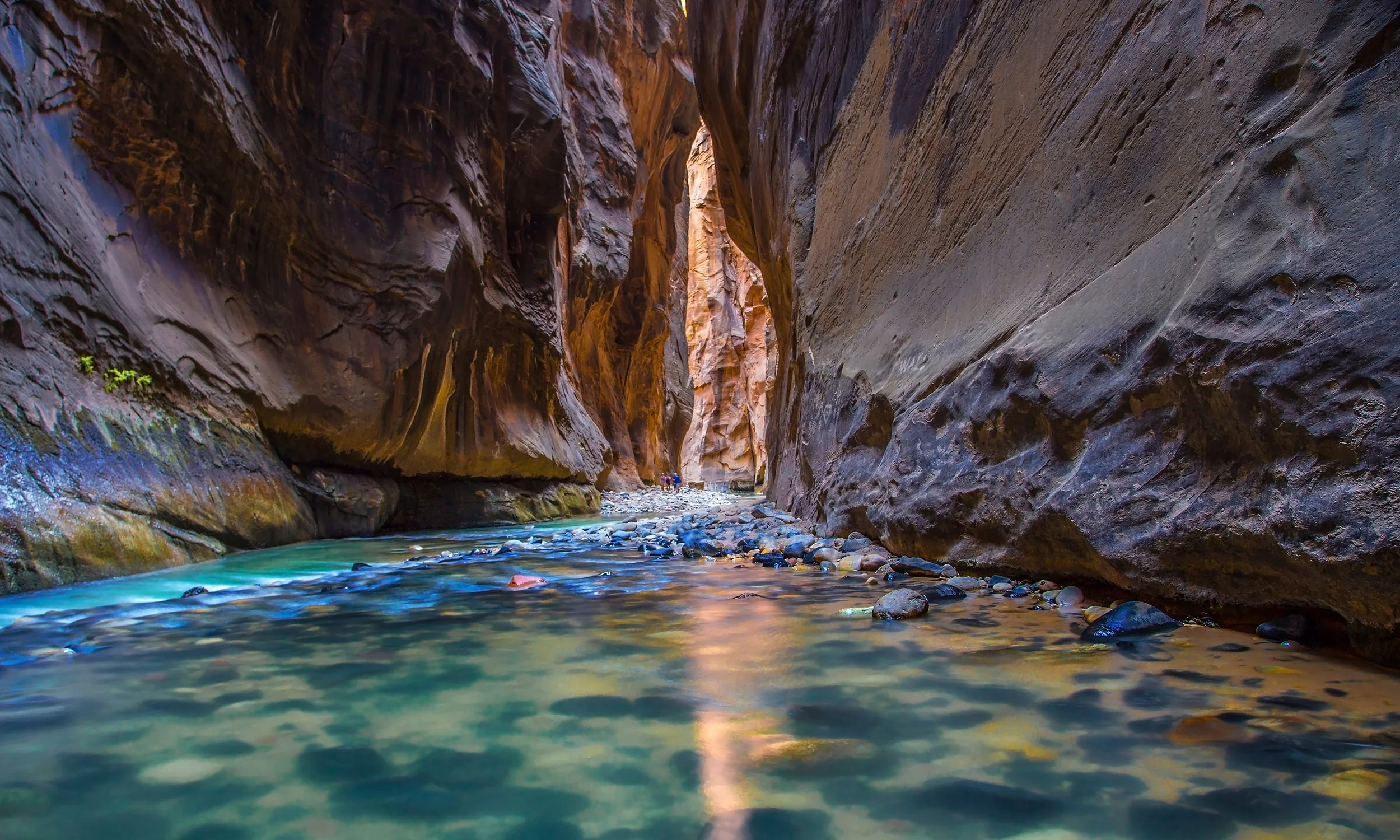
- Zion National Park: Roughly 2–2.5 hours from Brian Head, Zion offers iconic red rock canyons and hikes like Emerald Pools—a perfect pairing with alpine time.
- Stargazing: Brian Head’s high elevation and minimal light pollution create exceptional conditions for Milky Way viewing. Look for organized star parties or simply step outside your cabin after dark.
- Snowshoeing and Cross-Country Skiing: In winter, explore forest roads and trails on foot or skis for quieter, non-lift-based adventure.
Sample 3-Day Winter Itinerary
- Day 1: Arrive from Las Vegas (3 hours), check into slopeside lodging, afternoon skiing on Navajo for warm-up laps, evening tubing session.
- Day 2: Full day skiing both Giant Steps and Navajo, try the terrain parks, après at the Last Chair Grill, optional night skiing.
- Day 3: Morning skiing, midday break, afternoon drive to Cedar Breaks overlook (if roads open) before heading home.
Pros
- Many iconic parks within a half-day drive
- Easy to combine snow and red rock in one trip
- Year-round natural attractions nearby
Cons
- Some roads and park areas closed in heavy snow
- Longer drives require early starts, especially in winter

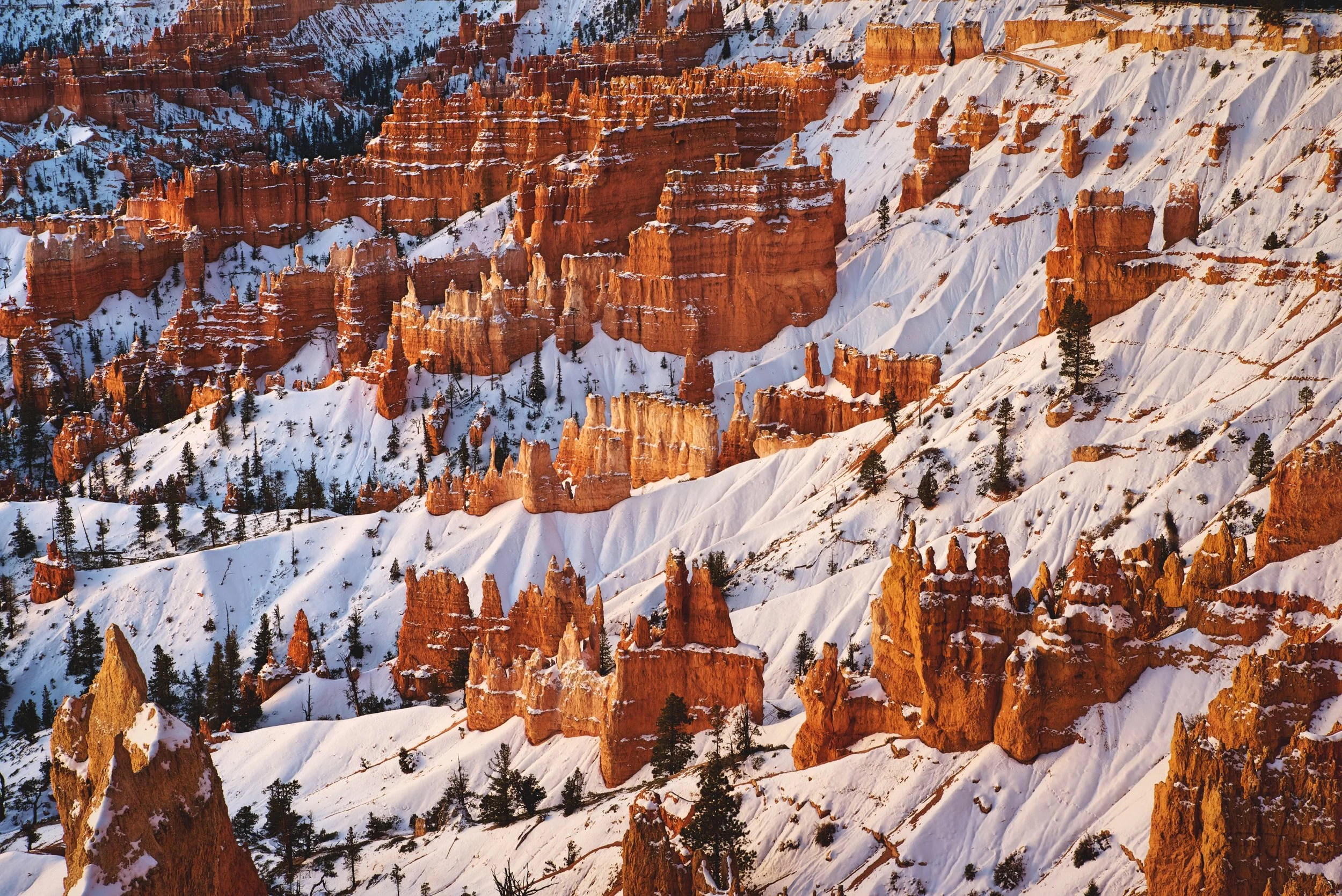
Cedar Breaks National Monument sits just minutes from Brian Head.
Lodging in Brian Head: Cabins, Condos & Hotels
Brian Head offers a range of accommodations from slopeside condos to secluded forest cabins, with most options priced below comparable lodging at Utah’s famous northern resorts.
Main Lodging Types
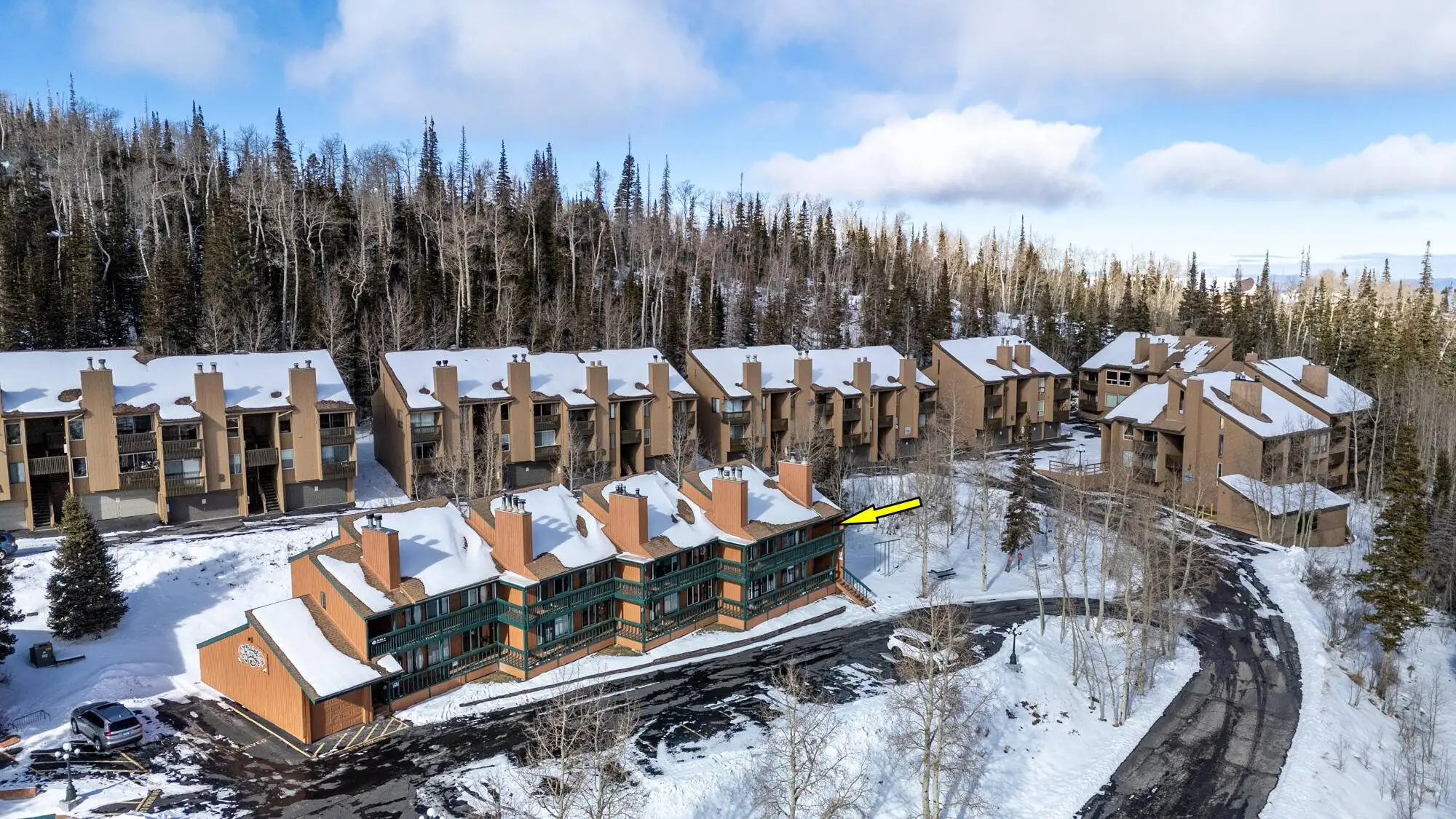
- Ski-In/Ski-Out Condos: Units around Giant Steps and Navajo bases provide walkable access to lifts. Ideal for families and groups wanting to maximize slope time without driving.
- Mid-Range Hotels and Lodges: Several properties offer hot tubs, fireplaces, and on-site restaurants or bars. The Chair Grill at various lodges provides convenient dining.
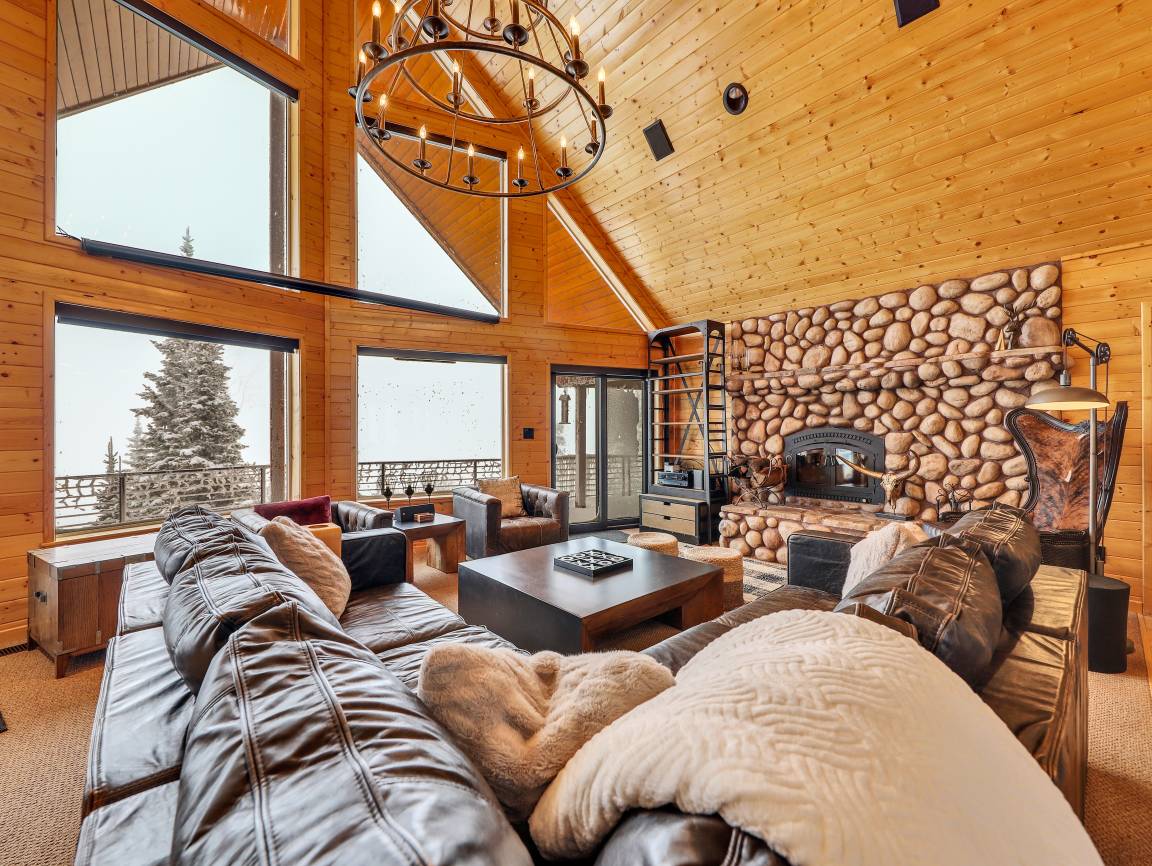
- Vacation Rental Cabins: Larger groups appreciate private cabins with multiple bedrooms, full kitchens, and garage parking for vehicles and gear.
Pricing and Seasonality
- Winter weekends and holiday periods (Christmas–New Year, MLK, Presidents’ Day, spring break) command the highest rates. Book several months ahead for these dates.
- Shoulder seasons in late spring and late fall offer lower prices but limited on-mountain activities.
Lodging Pros
- Good value compared to Park City or Deer Valley
- Many condos include full kitchens for meal savings
- Plenty of pet-friendly units available
- Slopeside options eliminate daily driving
Lodging Cons
- Peak dates sell out quickly
- Some older properties show their age
- Limited luxury or five-star options
Alternative: Staying in nearby Cedar City offers more restaurants and shopping but adds 45–60 minutes of driving to reach the slopes each day.
Book Now: Best-Rated Brian Head Cabins & Condos
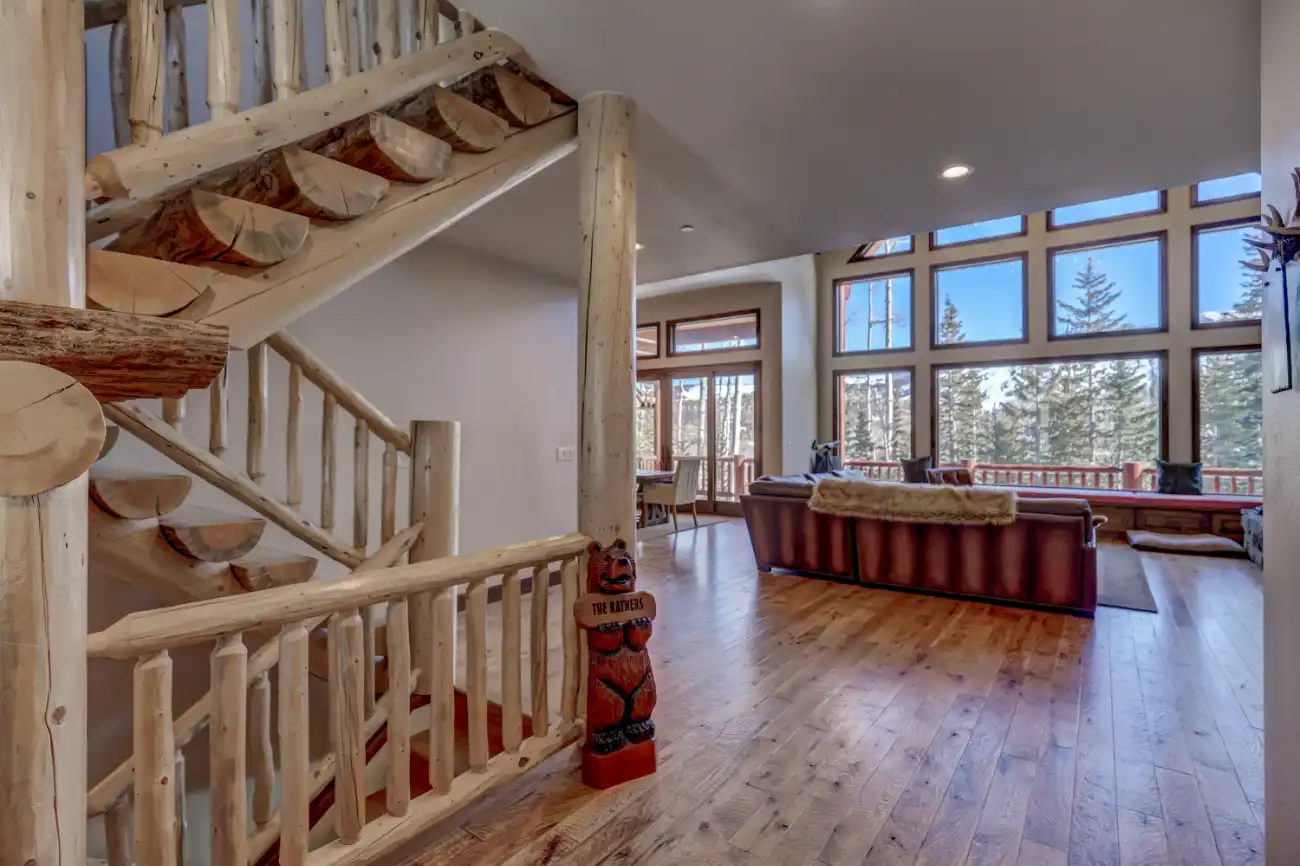
Many Brian Head rentals offer ski-in/ski-out convenience with homey comfort.
Lift Tickets, Passes & Costs
Brian Head has built its reputation partly on value—ticket prices here run significantly lower than major Wasatch Front and Colorado resorts, making it attractive for families and budget-conscious visitors.
Ticket Types
- Single-Day Tickets: Dynamic pricing varies by day of week and demand. Weekdays typically cost less than weekends and holidays.
- Multi-Day Passes: Purchasing several days at once lowers the per-day cost, ideal for longer trips.
- Season Passes: For frequent visitors, season passes provide unlimited access and often include perks like discounted tubing and lodging rates.
- Discounts: Children, seniors, and military members typically qualify for reduced rates. Early-purchase deals in fall often save 10–20% off walk-up prices.
Reference Price Ranges
- Adult day tickets generally fall in a moderate range compared to other Utah options—expect to pay noticeably less than at resorts near downtown Salt Lake City.
- Kids 12 and under sometimes ski free with purchasing adults on promotional days; check current resort offers.
Tubing Tickets
- Tubing operates on timed sessions (typically 1.5–2 hours) with separate pricing.
- Weekend and holiday sessions cost more than midweek, and popular times sell out—book ahead online.
Pricing Pros
- Strong value for families
- Frequent promotions and deals
- Less sticker shock than destination resorts
- Free parking saves additional costs
Pricing Cons
- Pricing changes seasonally
- Popular dates still require budget awareness
- Night skiing and tubing add extra expense
Brian Head for Families & Beginners
Brian Head consistently ranks among Utah’s best ski resorts for first-timers, young kids, and multi-generational trips. The combination of gentle terrain, quality instruction, and uncrowded slopes creates ideal conditions for learning.
Beginner-Friendly Features
- Gentle Green Runs: Navajo Mountain offers wide, forgiving slopes with consistent pitch—perfect for building confidence.
- Surface Lifts and Magic Carpets: Dedicated learning areas near base lodges allow beginners to practice without navigating chairlifts.
- Terrain Based Learning: Shaped snow features help first-timers make turns naturally with less fear and frustration.
Kids’ Programs
- The ski school offers age-specific group lessons tailored to different developmental stages.
- Day all inclusive packages typically include rentals, instruction, and sometimes lunch in a safe learning environment.
- Book kids at least 1–2 weeks ahead during holidays—these programs fill quickly.
Family Perks
- Short lift lines mean more laps for developing skiers
- Condos with kitchens save money on meals
- Tubing and beginner terrain parks provide non-skiing fun
- Compact layout makes it hard for kids to get lost
Pros for Families
- Manageable size keeps everyone together
- Friendly, patient instructors
- Quieter atmosphere than mega-resorts
- Kids-ski-free promotions on select dates
Cons for Families
- Fewer indoor attractions (no arcades or malls)
- Altitude may affect very young children
- Limited dining variety for picky eaters
Patient instructors help kids build skills on Navajo’s gentle terrain.
Dining, Nightlife & Après in Brian Head
Brian Head offers a small but growing dining and nightlife scene, with most options centered around base lodges and a handful of town establishments. Don’t expect Park City’s restaurant row—this is a laid-back mountain town where casual reigns.
On-Mountain Options
- Base lodge cafeterias at Giant Steps and Navajo serve standard ski-area fare: burgers, chili, pizza, and grab-and-go items. Quality is solid, prices reasonable.
- The Last Chair Grill and similar bar-style spots offer craft beer, pub food, and occasional live music on weekends. These serve as the primary après-ski gathering points.
Off-Mountain/Town Dining
- The town has 2–3 sit-down restaurants and pizzerias, plus hotel restaurant options. Most focus on comfort food appropriate for hungry skiers and families.
- For more variety, stock up on groceries in Cedar City before arriving, or plan a dinner excursion to town for a special meal.
Dining Pros
- Casual, kid-friendly atmosphere
- Easy walking distance from most lodging
- Reasonable prices compared to resort-town averages
Dining Cons
- Few upscale options
- Limited vegetarian/vegan menu depth
- Some businesses keep seasonal hours
- Late-night options nearly nonexistent
Après-ski at Brian Head means casual vibes and mountain views.
Best Time to Visit Brian Head, Utah
Brian Head operates as a true four-season destination, though winter skiing and summer mountain escapes represent the primary draws.
Winter Timing
- The typical ski season runs mid-November through mid-April, with the deepest snowpack usually arriving January through early March.
- Holiday periods (Christmas–New Year, MLK weekend, Presidents’ Day, spring break) bring the biggest crowds and highest prices—book lodging months in advance.
- For the best balance of snow and value, target mid-January weekdays or early March when conditions remain excellent but crowds thin.
Summer Timing
- Core summer season spans mid-June through mid-October, with some lift and activity operations only on weekends.
- July and August offer peak wildflower displays and the most reliable weather for mountain biking.
- Late September through early October brings stunning fall colors as aspens turn gold across the Markagunt Plateau.
Month-by-Month Quick Guide
- December: Festive atmosphere, early-season snow, holiday crowds
- January–February: Deepest snow, coldest temperatures, best powder days
- March: More sunshine, spring skiing conditions, slightly smaller crowds
- July–August: Peak summer activities, afternoon storms possible
- September–October: Fewer crowds, spectacular fall foliage, cooler temperatures
Altitude, Weather & Safety Tips
Brian Head’s high elevation—9,600–11,000+ ft—creates conditions that require preparation. Thinner air, stronger sun, and colder nights than most visitors expect can catch the unprepared off guard.
Altitude Tips
- Hydrate aggressively before and during your visit; limit alcohol on arrival night
- Consider spending a night in Cedar City (5,800 ft) or St. George (2,800 ft) to acclimatize if traveling from sea level
- Recognize altitude sickness symptoms: headache, nausea, shortness of breath, fatigue
- Don’t push hard on Day 1—let your body adjust before tackling challenging terrain
Winter Weather Safety
- Dress in layers with waterproof outerwear, insulated gloves, and goggles
- Watch wind chill forecasts; exposed skin freezes quickly at high elevation
- Expect lift closures during extreme wind or heavy snowfall
- Carry hand warmers and extra layers in your pack
Driving Safety
- Check Utah DOT conditions before driving UT-143
- Carry winter emergency gear: blanket, shovel, snacks, water, flashlight
- Allow extra time after storms when plows are still working
Altitude Pros
- Crisp, dry air and excellent snow quality
- Beautiful clear days with stunning visibility
Altitude Cons
- Higher risk of altitude issues for sensitive visitors
- Strong UV requires high-SPF sunscreen even on cloudy days
- Cold nights can catch summer visitors unprepared
Insider Tips for Visiting Brian Head
Planning a trip to Brian Head Resort? We’ve got you covered with the best insider tips to make your visit to this stunning mountain paradise absolutely unforgettable—whether you’re bringing the family, you’re an expert skier looking for world-class slopes, or you’re a summer adventurer ready to explore this beautiful high-elevation mountain destination that has something for everyone!
Sample Itineraries: How to Spend 2–4 Days in Brian Head
These practical itineraries help first-time visitors maximize their Brian Head experience.
2-Day Winter Quick Trip
- Day 1:
- Morning: Depart Las Vegas or Salt Lake City early. Arrive Brian Head by late morning.
- Afternoon: Check into slopeside lodging, grab lunch at base lodge, ski Navajo’s gentle terrain to warm up.
- Evening: Family tubing session, casual dinner in town.
- Day 2:
- Morning: Full day skiing—start on Navajo, then explore Giant Steps.
- Afternoon: Hit the terrain parks or take a lesson.
- Evening: Après drinks at the Last Chair, night skiing if available, then depart or stay another night.
3-Day Winter + National Park Combo
- Days 1–2: Ski and take lessons for beginners. One evening tubing, one evening dining out.
- Day 3:
- Morning: Final ski session.
- Afternoon: Drive to Cedar Breaks overlook (if road is open) for photos before heading toward your departure city.
3–4 Day Summer Adventure
- Day 1: Arrive, scenic chairlift ride, easy hiking near town, evening stargazing.
- Day 2: Full day mountain biking with lift access, lunch at base, afternoon disc golf or relaxation.
- Day 3: Half-day hike at Cedar Breaks National Monument, afternoon return to Brian Head for more biking or a spa/rest day.
- Day 4 (optional): Day trip to Bryce Canyon or Zion National Park before departing.
Book Now: Plan Your Brian Head Getaway
Is Brian Head Worth It? Pros & Cons Summary
Many travelers choose Brian Head over Utah’s bigger-name ski towns for good reasons: affordability, lack of crowds, and the unique ability to combine snow sports with nearby red rock scenery.
Pros
- High elevation and excellent snow quality with over 360 inches average snowfall
- Family-friendly layout and pricing with strong beginner programs
- Easy access from Las Vegas (3 hours) and Salt Lake City (4 hours)
- Close proximity to Cedar Breaks, Bryce Canyon, and Zion National Park
- Laid-back, uncrowded atmosphere with short lift lines
- Lower ticket prices and lodging costs than major destination resorts
- Year-round activities from skiing to mountain biking to hiking
Cons
- Smaller terrain variety and fewer extreme-terrain options than mega-resorts
- Limited nightlife, shopping, and dining variety
- High altitude may cause discomfort for some visitors
- Winter driving on UT-143 requires preparation and appropriate vehicles
- Town has minimal infrastructure beyond tourism services
- Some visitors may find the pace too quiet
The Verdict:
Brian Head delivers exactly what families and budget-conscious skiers want: deep snow, short lines, and a laid-back atmosphere at a fraction of big-resort prices. It’s an excellent choice for families with kids learning to ski, groups wanting to combine snow with national park visits, and anyone seeking a quieter mountain experience.
Hardcore partiers and extreme-terrain hunters might prefer larger resorts with more nightlife and steeper terrain. But for most visitors seeking value, convenience, and quality snow? Brian Head deserves a spot on your Utah must-visit list.
Brian Head offers a unique blend of alpine adventure and red rock access that’s hard to find anywhere else.