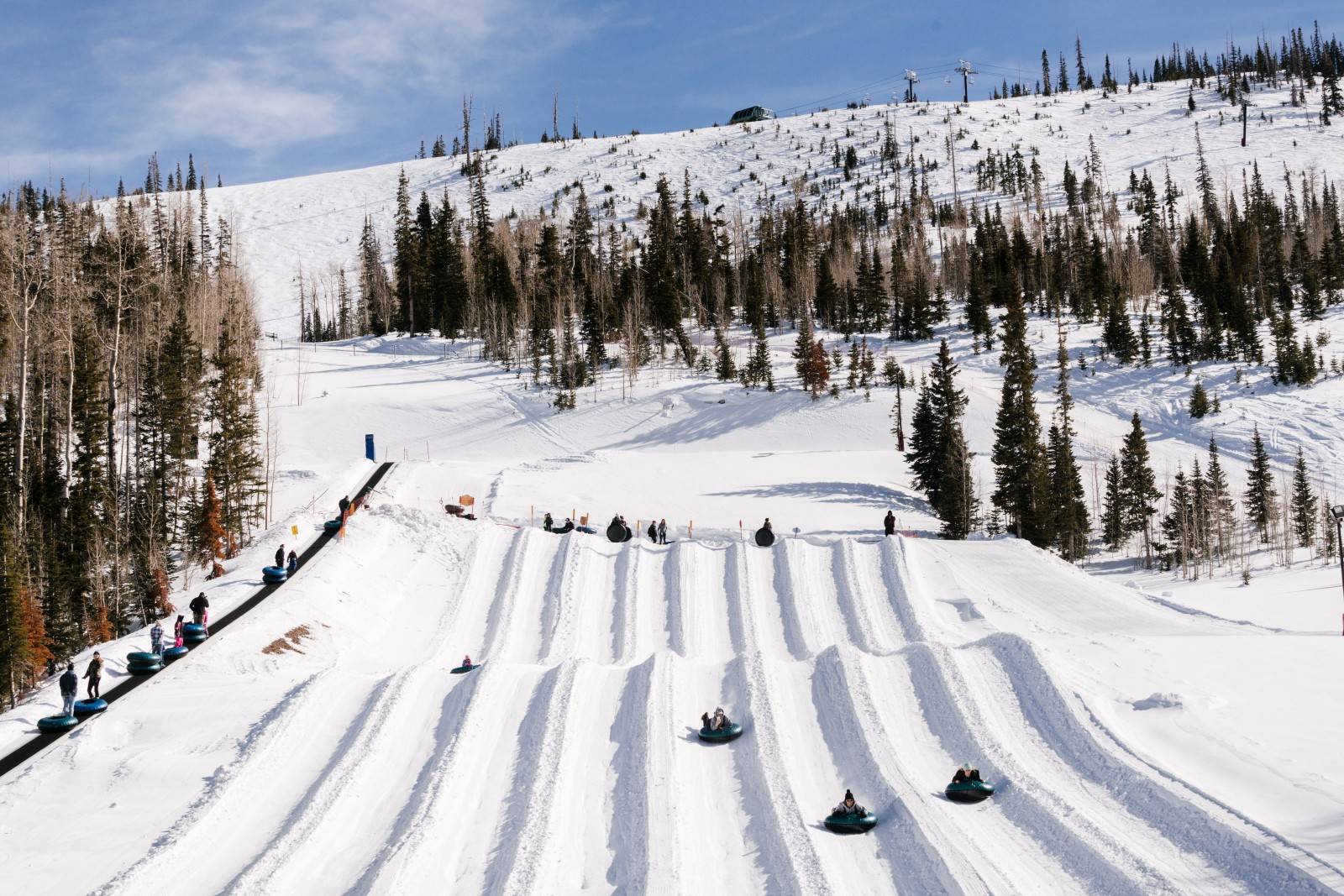

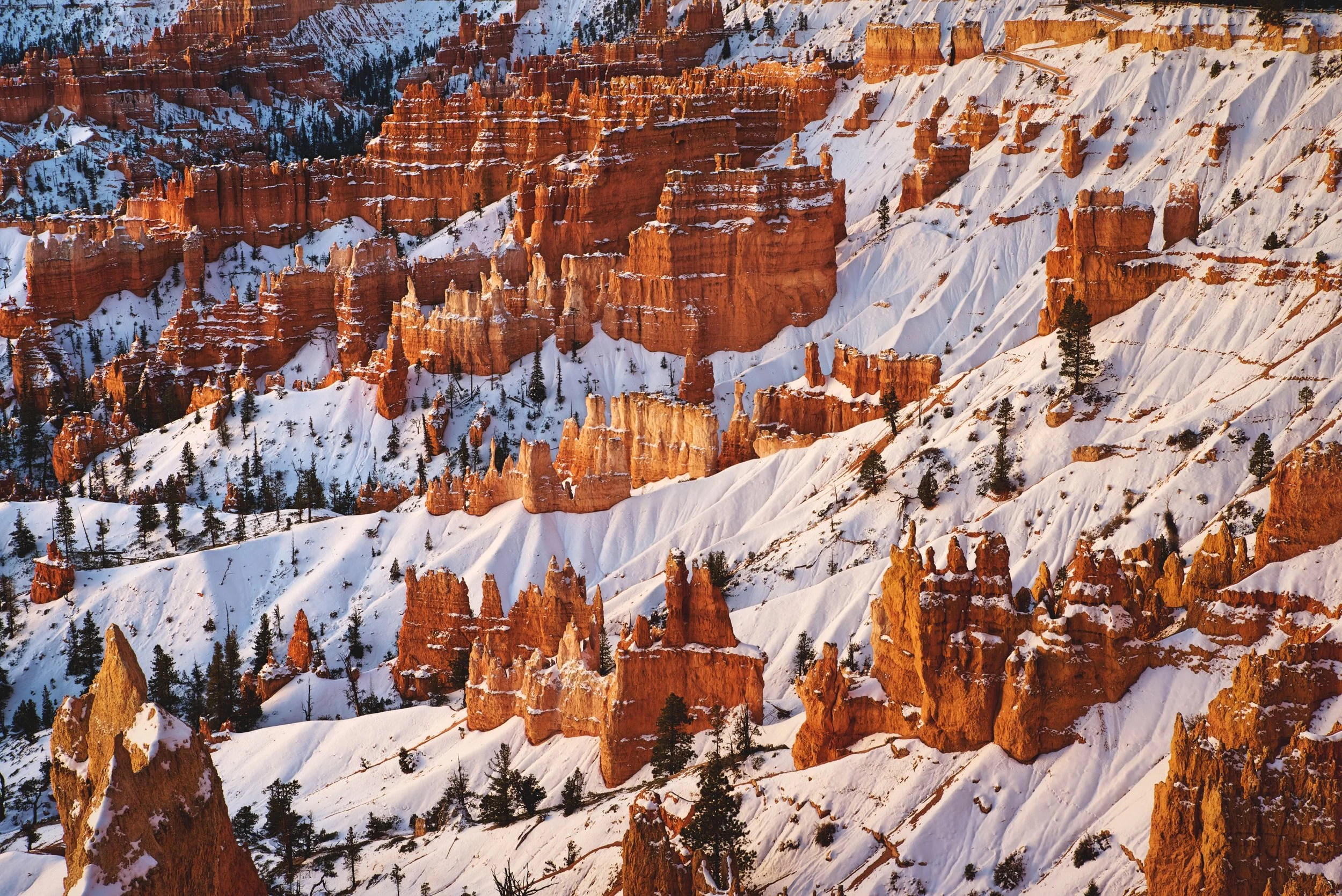
Planning a trip from the alpine slopes of Brian Head to the otherworldly hoodoos of Bryce Canyon? You’re about to experience one of the most scenic drives in southern Utah, where forested plateaus give way to crimson amphitheaters carved over millions of years.
This guide is for travelers planning a scenic drive or day trip between Brian Head and Bryce Canyon, whether you prefer to drive yourself or book a private transfer. The journey offers some of the most spectacular views and unique geological features in southern Utah.
This guide breaks down everything you need to know—distance, timing, transportation options, and the best ways to make the most of your day between these two iconic destinations.

Introduction to Southern Utah
Southern Utah stands as your ultimate playground for adventure and natural beauty, delivering some of the most exceptional views and diverse landscapes you’ll find anywhere.
This premier region showcases an incredible collection of national parks, including the world-famous Bryce Canyon National Park and Zion National Park, each offering you unique geological wonders to explore and discover.
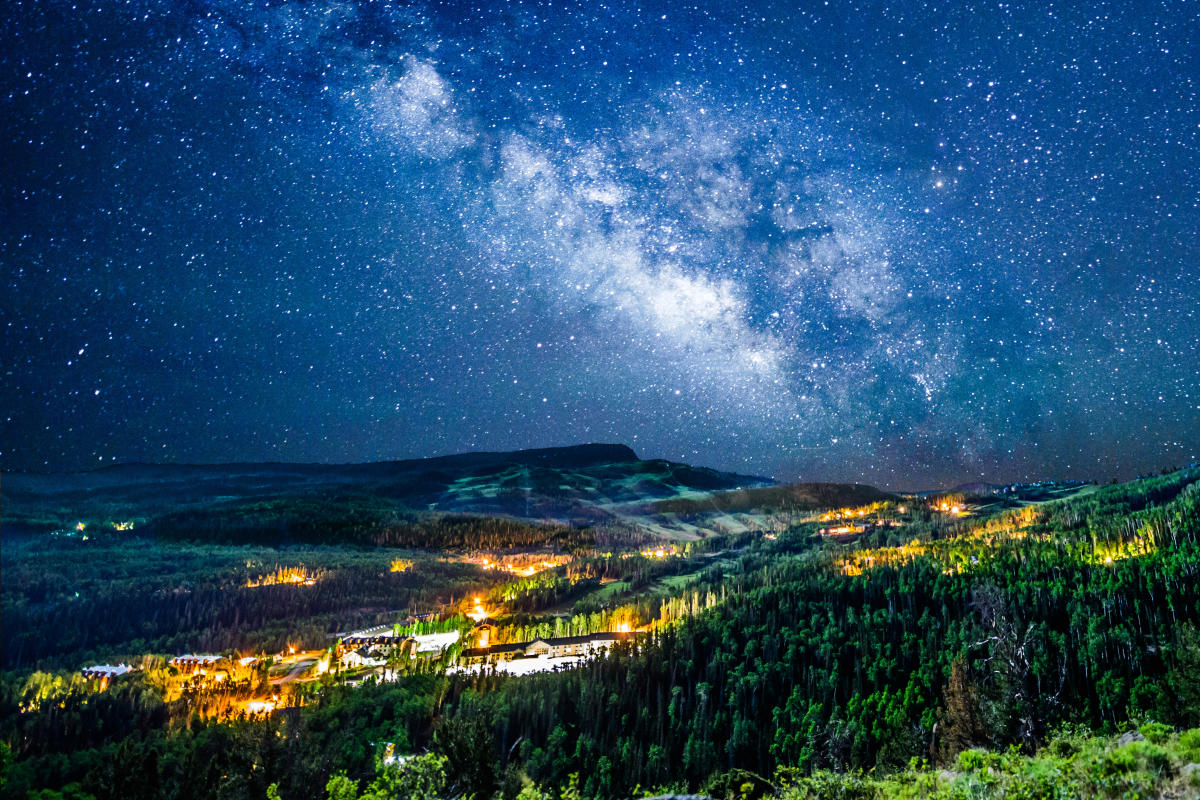
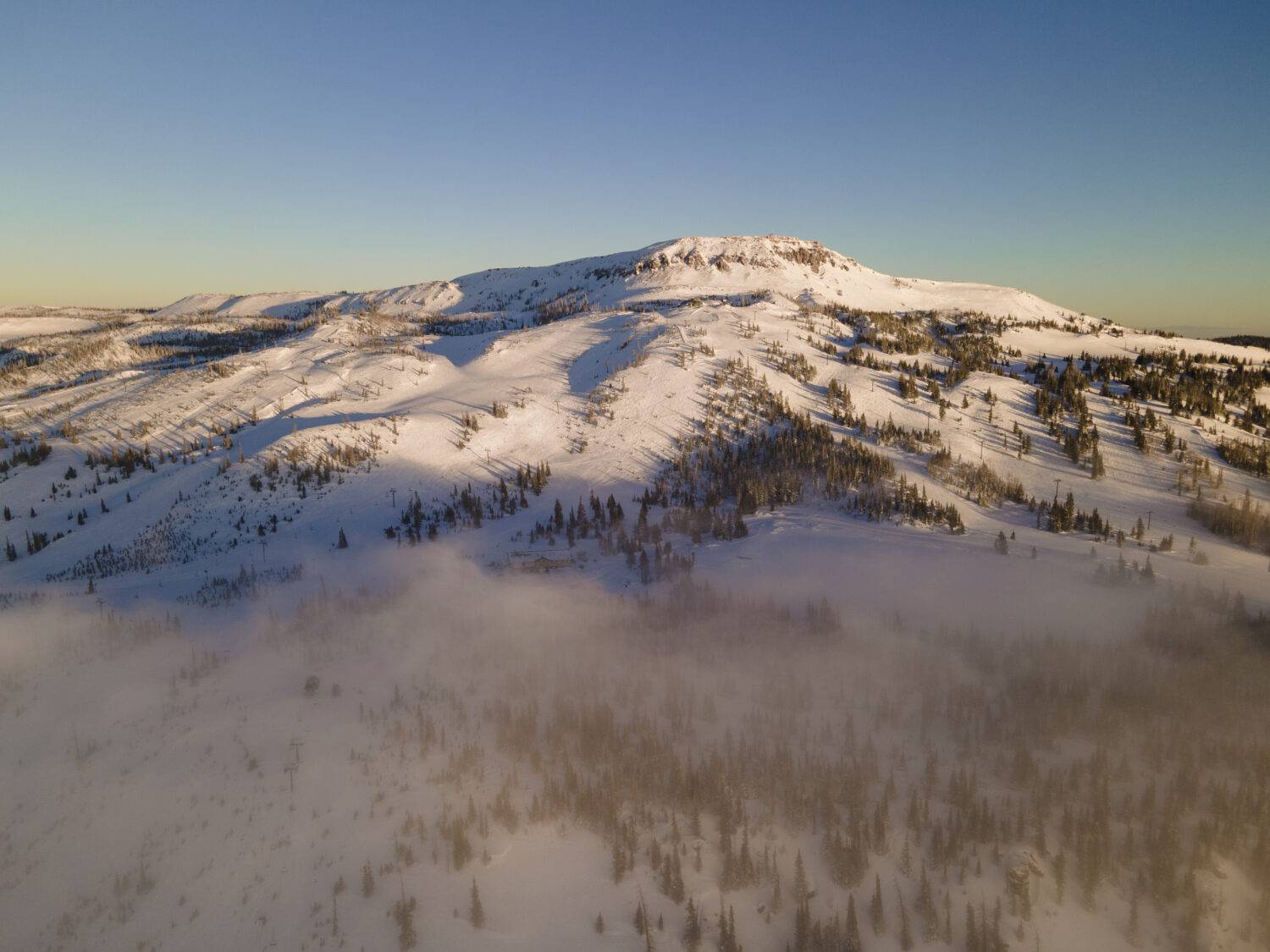
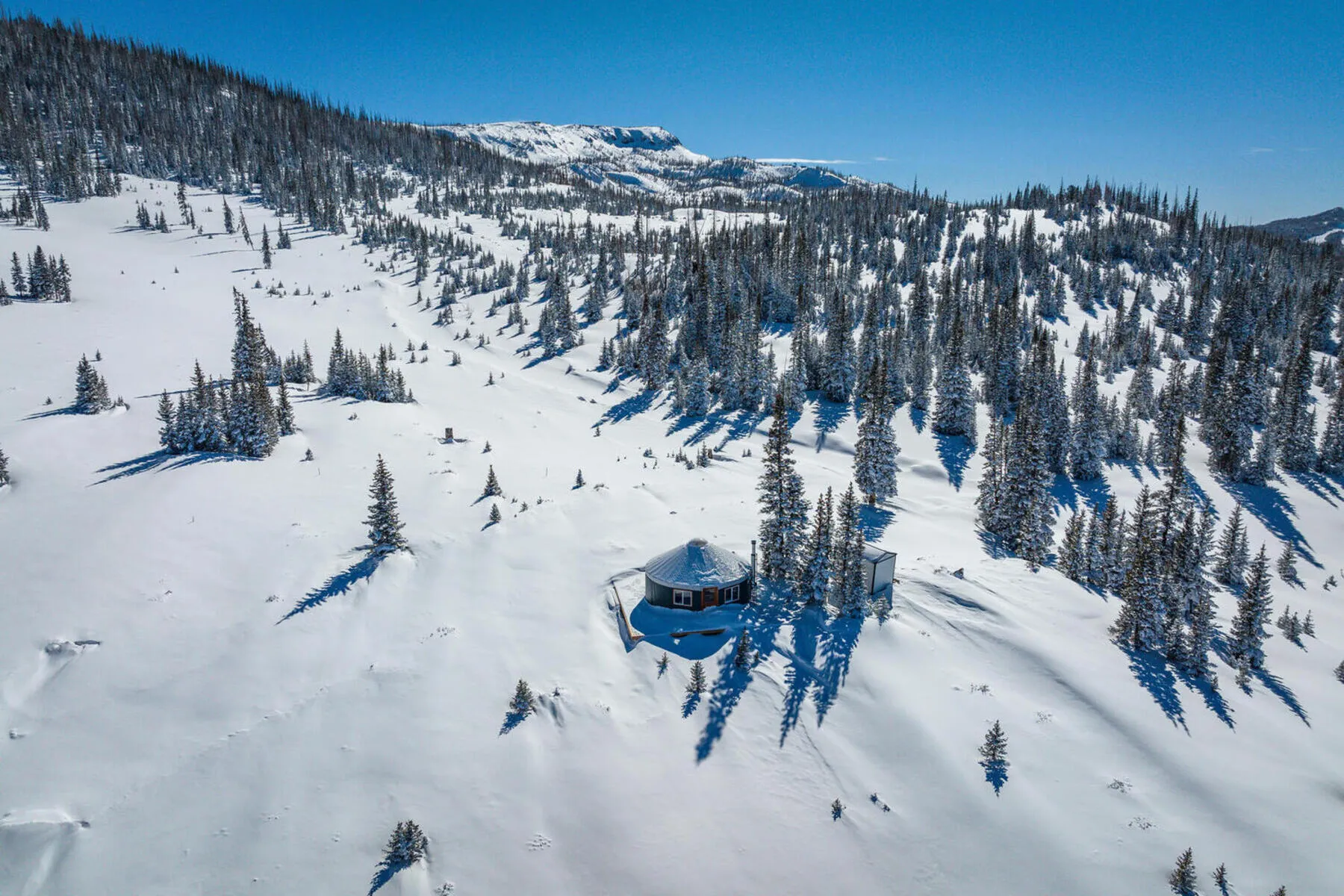
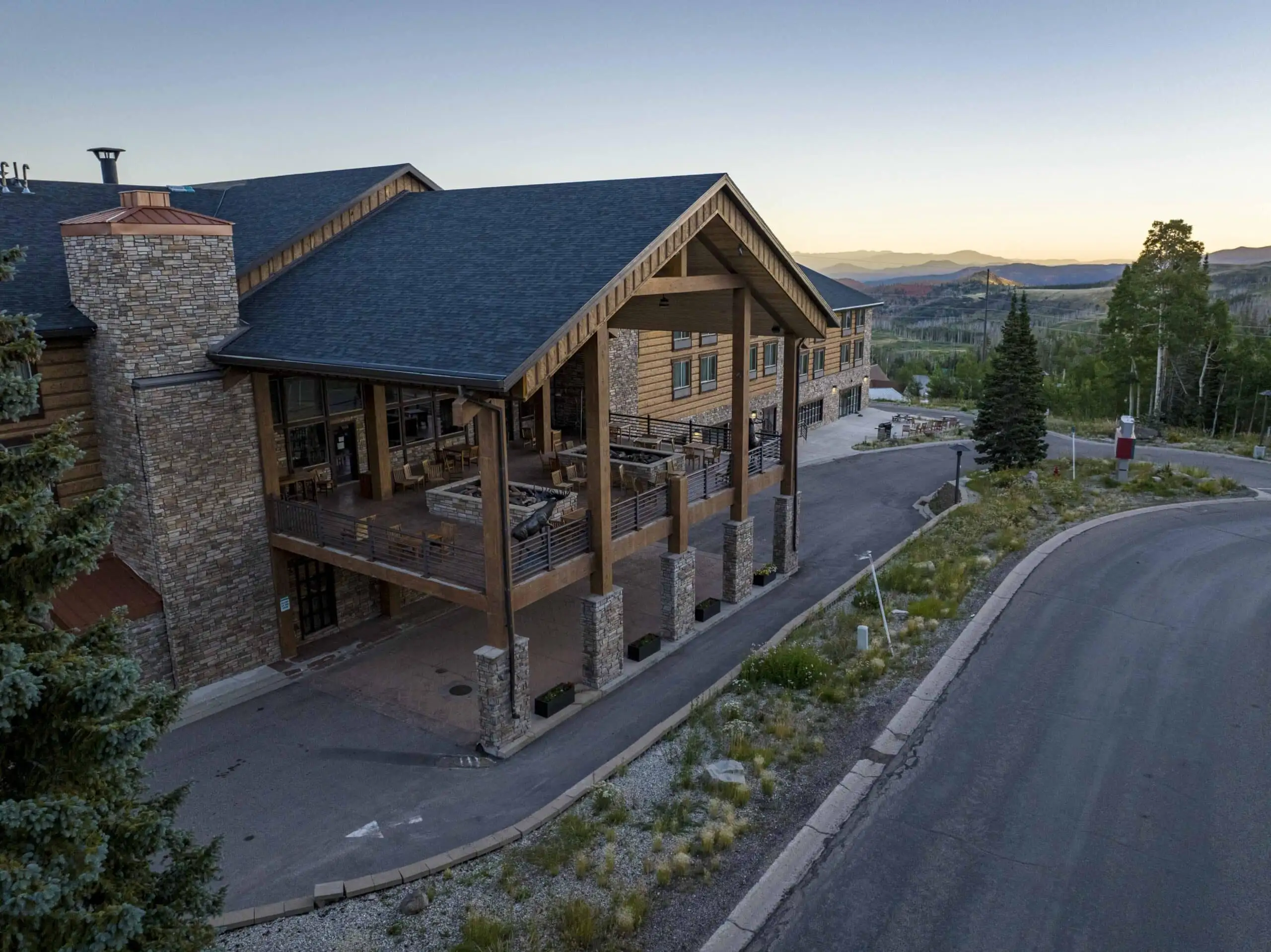
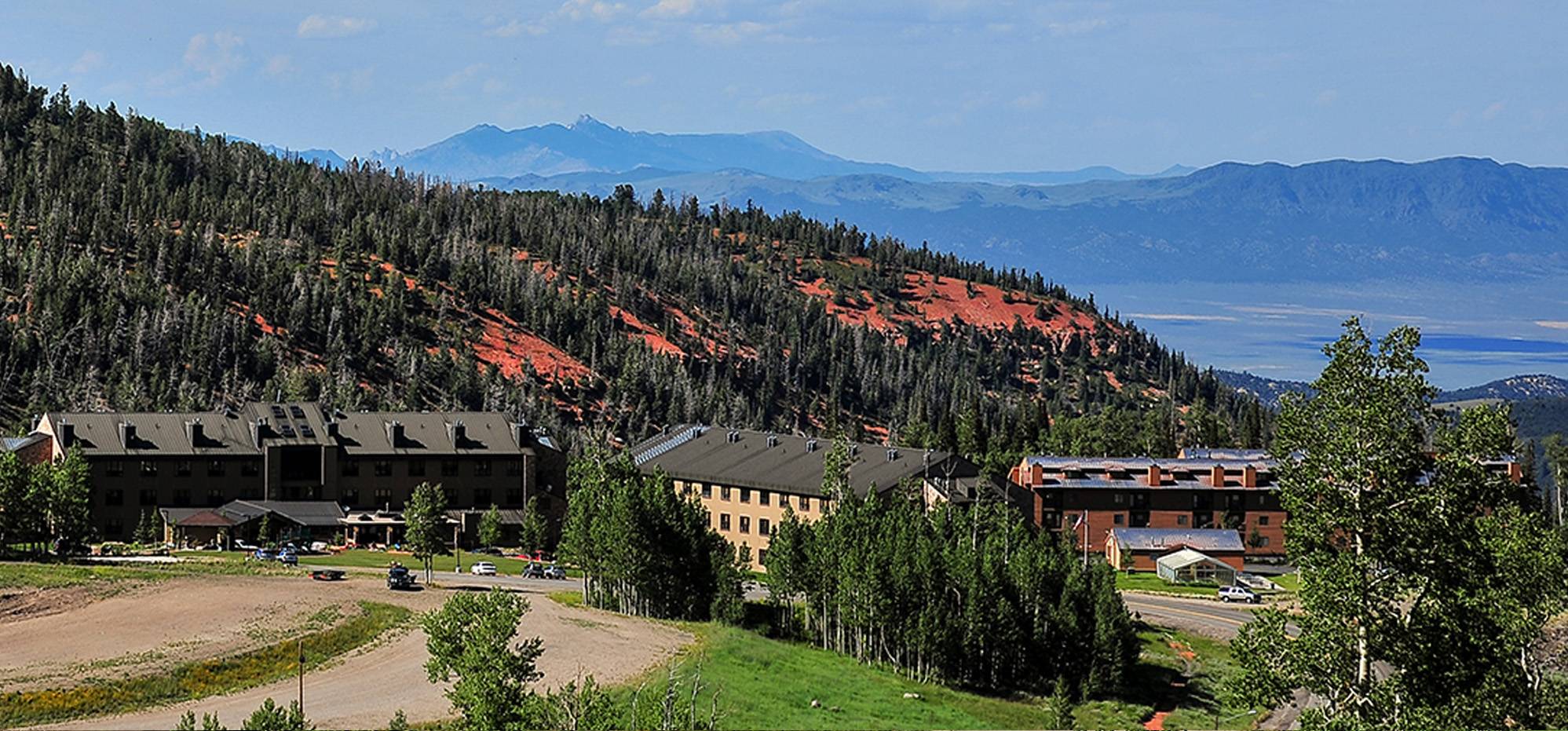
Brian Head, positioned high in southern Utah’s mountains, serves as your perfect base camp for experiencing everything this remarkable area has to offer.
Whether you’re into hiking, biking, skiing, or simply taking in the breathtaking scenery, Brian Head puts you within easy reach of challenging terrain, dramatic canyons, and endless opportunities for your next adventure.
With its crisp mountain air and prime location near these famous parks, Brian Head provides you with the ideal headquarters for making the most of your southern Utah national parks experience – we’ve got everything you need for an unforgettable mountain getaway.
Quick Answer: How Far Is Brian Head from Bryce Canyon & Best Way to Go?
The drive from Brian Head to Bryce Canyon National Park covers approximately 80–90 miles and takes 60–75 minutes under optimal conditions. This section gives you the essential facts so you can plan your route without scrolling through pages of fluff.
The standard route follows UT-143 south from Brian Head, drops into the historic town of Panguitch, then connects to US-89 and UT-12 toward the park entrance.
Dixie National Forest is part of the drive from Brian Head to Bryce Canyon, enhancing the scenic beauty of the journey. Highway 12 is often referred to as an ‘All-American Road’ and offers breathtaking mountain and canyon vistas.
At a Glance:
-
Distance: 80–90 miles depending on exact start/end points
-
Drive Time: 60–75 minutes in dry conditions; 90+ minutes in winter with snow
-
Primary Route: UT-143 → Panguitch → US-89 South → UT-12 East
-
Elevation Change: Descend from ~9,600 ft (Brian Head) to ~8,000–9,000 ft (Bryce rim)
-
Key Stops: Panguitch for fuel, food, and restrooms
-
Fuel Cost Estimate: $10–$16 for most passenger vehicles
For travelers who prefer to relax and enjoy the spectacular views rather than navigate mountain roads, private shuttle services offer door-to-door convenience.
Book Now – Secure your private transfer to Bryce Canyon before peak-season slots fill up.
Private Ride from Brian Head to Bryce Canyon National Park
A one-way private ride from Brian Head, Utah to Bryce Canyon National Park eliminates the stress of navigating challenging terrain while letting you soak in the scenery.
These services are particularly valuable during winter months when snow and ice can make UT-143’s steep grades unpredictable.
Typical trip duration runs about 1 hour 15 minutes to 1 hour 30 minutes in good weather, extending slightly longer when road conditions require extra caution.
What to Expect:
-
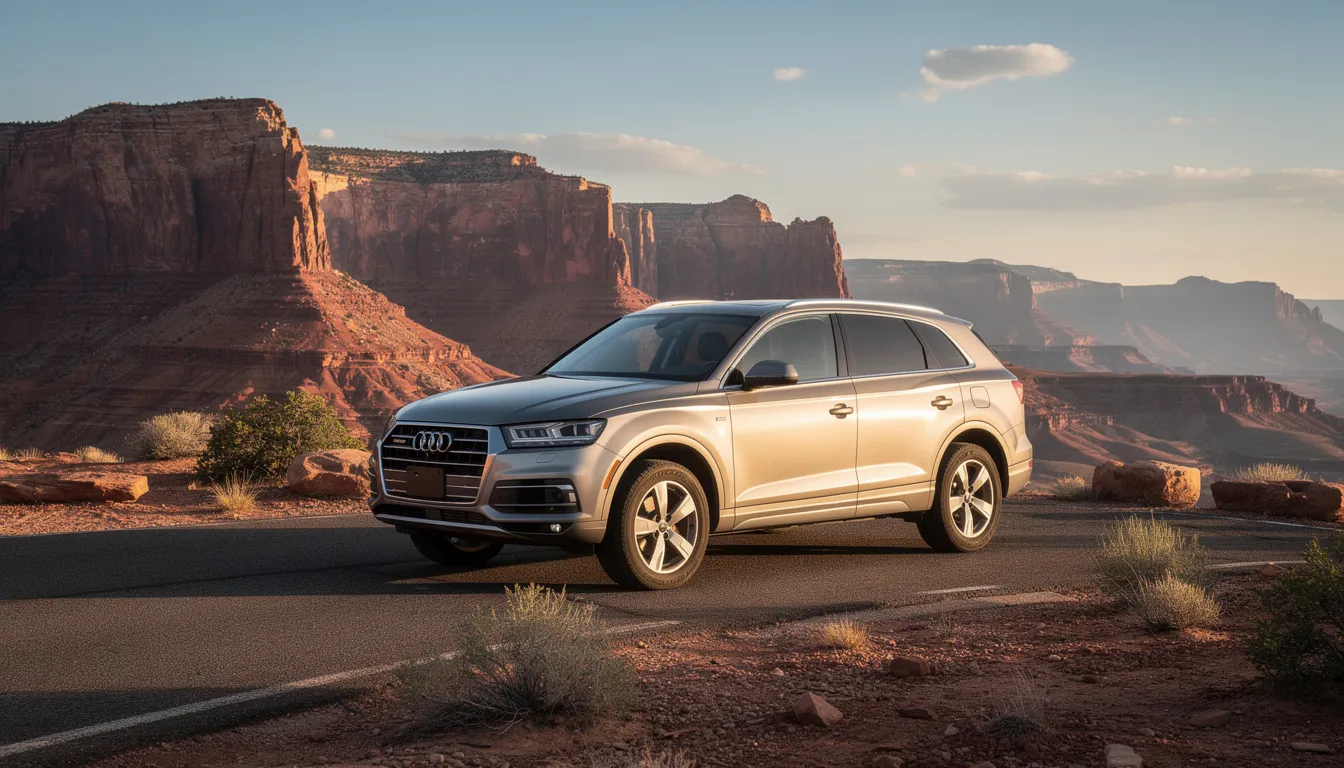
Vehicle Types: Comfortable 4×4 SUVs like GMC Yukon, Ford Expedition, or electric crossovers equipped for winter driving
-
Capacity: Most services accommodate 1–6 passengers per vehicle, with space for luggage, skis, snowboards, or photography gear
-
Service Type: One-way Brian Head → Bryce Canyon; round-trip and custom itineraries usually available for additional fees
-
Pickup Locations: Brian Head hotels, cabins, or designated meeting points
-
Drop-off Options: Bryce Canyon Visitor Center or key viewpoints like Sunrise Point or Bryce Point
Typically Included:
-
Door-to-door pickup from your Brian Head lodging
-
Drop-off at park entrance or specified viewpoint
-
Driver familiar with local road conditions and park logistics
-
Air-conditioned, insured vehicles
Pre-booking is strongly recommended during peak seasons (late May through September and holiday weekends) when availability becomes limited.
Book Now – Reserve your private transfer and skip the parking headaches.
Why Choose a Private Transfer vs. Driving Yourself?
Both self-driving and private transfers work well for the Brian Head to Bryce Canyon route, but they suit different travel styles.
This guide is dedicated to ensuring you have the information needed to make informed and safe decisions about your route and transportation options. Here’s a straightforward breakdown to help you decide.
|
Private Transfer |
Self-Driving |
|---|---|
|
Pros: No stress about winter roads, snow, or ice on UT-143 and US-89 – Door-to-door service from your lodge to prime park viewpoints. Freedom to relax, take photos through the window, and enjoy the ride.Avoid the notorious parking congestion at Sunrise, Sunset, and Bryce Point (lots fill by 8 AM in summer). Local drivers often share insider tips on the best trails, timing strategies, and hidden viewpoints. 4×4 vehicles provide added safety during variable weather |
Pros: Maximum flexibility to stop wherever you want along the way. Lower overall cost if traveling with a group. Ability to explore Cedar Breaks National Monument or Red Canyon on your own schedule |
|
Cons: Higher per-person cost compared to self-driving if you already have a rental car. Fixed pickup and drop-off times reduce flexibility for spontaneous detours. Limited luggage or gear capacity depending on vehicle size. One-way bookings require separate arrangements for return transport |
Cons: Requires confidence on mountain roads with 10% grades and potential winter conditions. Limited cell coverage in some sections makes navigation tricky. Parking at popular Bryce viewpoints becomes extremely competitive by mid-morning |
|
For travelers who want to compare multiple shuttle and transfer options quickly, online travel platforms aggregate available services in one place. |
Book Now – Compare private shuttles and find the best fit for your group.
Route Overview: From Brian Head’s High Alpine to Bryce Canyon’s Hoodoos
Leaving Brian Head’s alpine terrain at nearly 9,800 feet above sea level, you’ll descend through the Dixie National Forest toward the famous hoodoo amphitheaters of Bryce.
Dixie National Forest is part of the drive from Brian Head to Bryce Canyon, enhancing the scenic beauty of the journey. The drive showcases the remarkable geological diversity of the Paunsaugunt Plateau and surrounding region.

Standard Driving Route:
-
Segment 1: From Brian Head town, take UT-143 south toward Panguitch. You’ll pass near Cedar Breaks, a stunning volcanic amphitheater worth a quick detour in summer months. Cedar Breaks National Monument features colorful, eroded sandstone formations in a half-mile deep gorge, accessible via Highway 14.
-
Segment 2: Continue into Panguitch, a historic red-brick town with gas stations, small cafés, and grocery stops. This is your last reliable service point before the park.
-
Segment 3: Turn onto US-89 south, then connect to UT-12 east, following signs toward Bryce Canyon City and the main park entrance. Highway 12 is often referred to as an ‘All-American Road’ and offers breathtaking mountain and canyon vistas.
-
As you approach Bryce Canyon, you’ll pass through Red Canyon. Red Canyon features stunning red hoodoos and rock formations visible right from the highway as you approach Bryce Canyon.
Estimated Segment Times:
-
Brian Head → Panguitch: 35–45 minutes
-
Panguitch → Bryce Canyon: 30–40 minutes
-
Total: 65–85 minutes depending on conditions
Safety Considerations:
-
High elevation roads may have snow from November through April
-
Summer thunderstorms can reduce visibility and create flash flood conditions
-
Check UDOT road conditions before departure, especially in winter
-
Wildlife crossings are common at dawn and dusk
-
UT-143 features steep grades (up to 10%) that can challenge RVs and reduce fuel efficiency
Scenery Highlights:
The route transitions from dense ponderosa pine forests and open meadows to the dramatic red and orange rock formations that define Utah canyon country.
As you approach Bryce, the landscape transforms into the surreal geological wonderland that draws over 2.5 million visitors annually.
Best Time of Year to Travel from Brian Head to Bryce Canyon
The Brian Head to Bryce route remains accessible year-round, but conditions and experiences shift dramatically with the seasons. Your timing affects everything from road safety to trail access to crowd levels at the park.
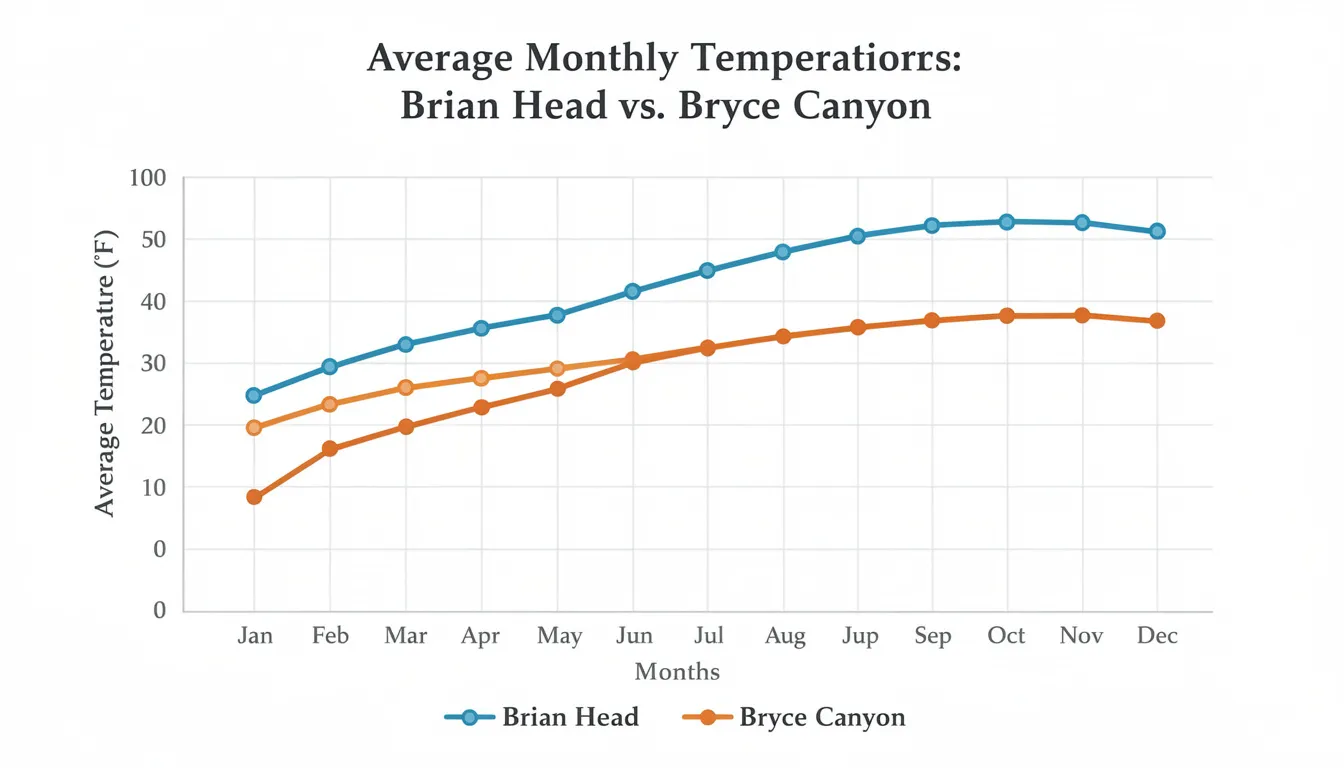
Spring (April–May):
-
Melting snow at higher elevations; some roads may still require chains
-
Cooler temperatures (40s–60s°F) and fewer crowds
-
Some trails remain muddy or icy, particularly on north-facing slopes
-
Wildflowers begin appearing at lower elevations toward May
-
Good window for photographers seeking dramatic storm clouds
Summer (June–August):
-
Warm days (70s–80s°F at Bryce rim, 60s–70s°F in Brian Head)
-
Peak park visitation; expect parking lots to fill by 8 AM
-
Best for early-start day trips from Brian Head to beat mid-day heat and crowds
-
Afternoon thunderstorms common; plan hikes for morning hours
-
All trails and facilities fully operational
Fall (September–October):
-
Crisp air and excellent visibility for long-range views
-
Golden aspens line UT-143, creating spectacular photo opportunities
-
Crowds thin significantly after Labor Day
-
Temperatures range from 40s–60s°F; mornings can be frosty
-
Often considered the ideal season for hiking and photography
Winter (November–March):
-
Snow-covered hoodoos create a magical, world-class landscape
-
Potential chain requirements and occasional road closures on UT-143
-
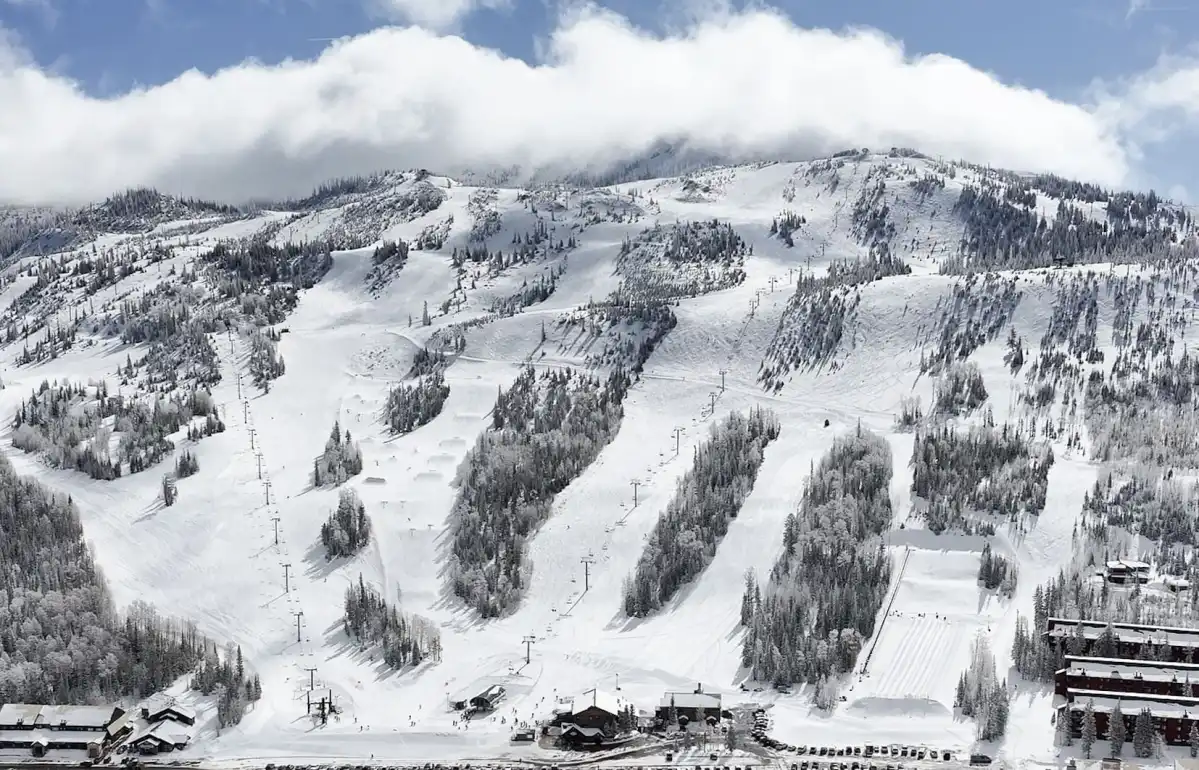
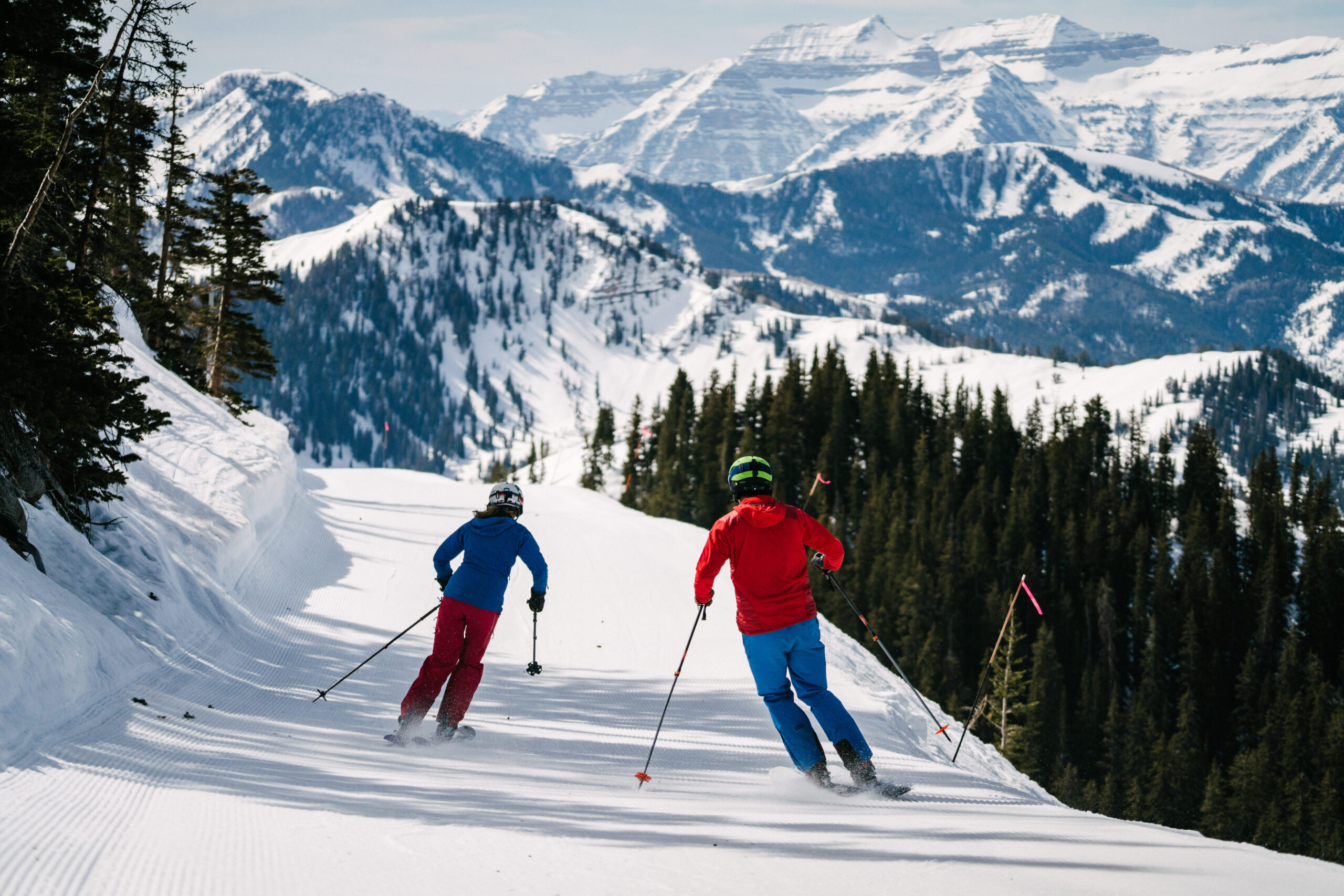
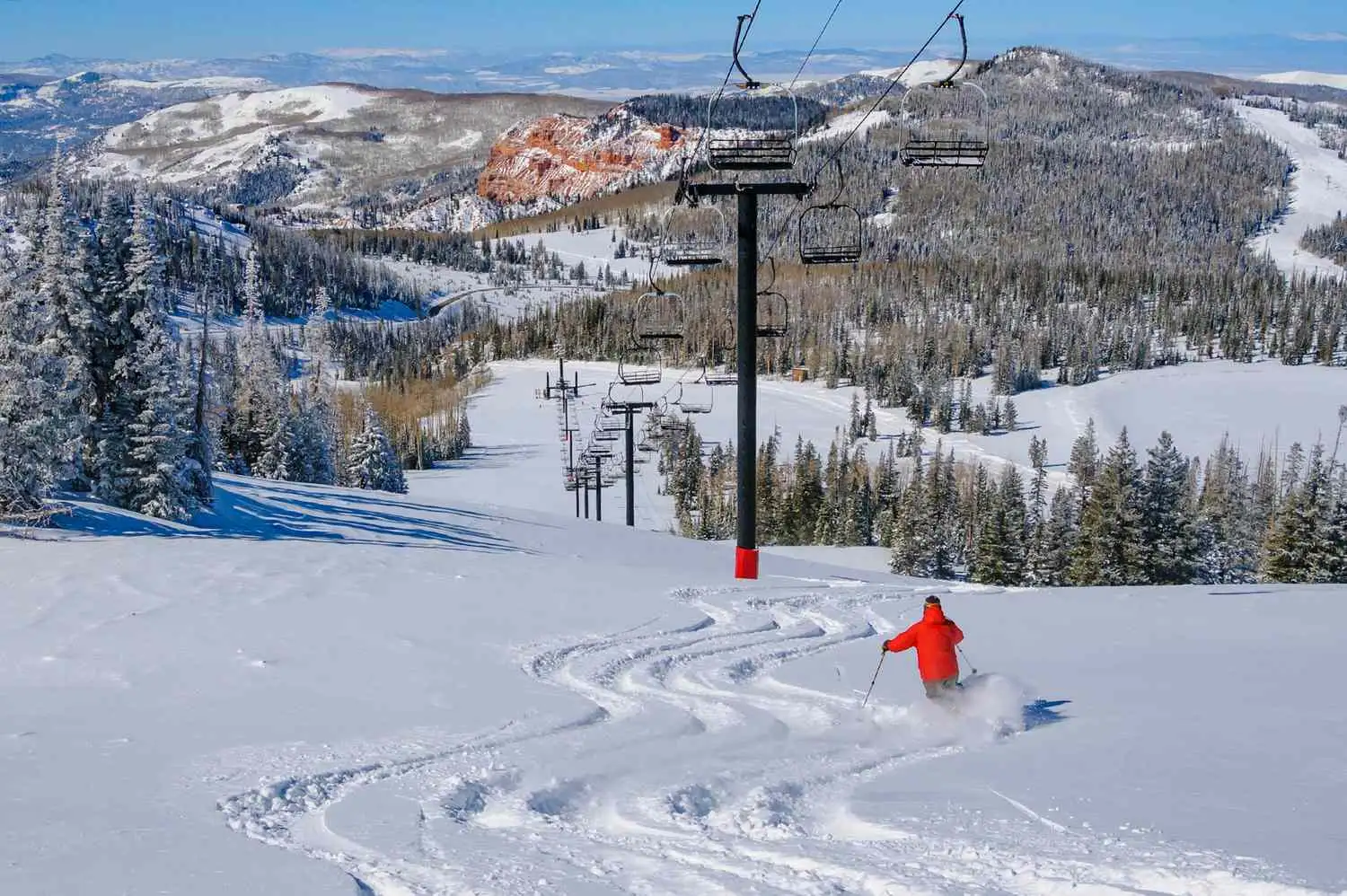
Brian Head skiing season aligns perfectly with winter park visits
-
Fewer visitors mean peaceful trails and uncrowded viewpoints
-
Temperatures range from teens to 40s°F; dress in layers
Elevation Considerations:
Both Brian Head and Bryce sit between 8,000 and 10,000 feet above sea level.
Visitors arriving from sea level should hydrate aggressively, pace themselves on trails, and watch for altitude-related symptoms like headaches or shortness of breath.
Private transfers with 4×4 vehicles become particularly valuable in winter or early spring when road conditions change rapidly. Drivers familiar with the terrain can navigate safely while you enjoy the snow-dusted views.
Book Now – Secure winter-safe transport for your Bryce adventure.
Tips for the Drive from Brian Head
The drive from Brian Head to southern Utah’s premier national parks is absolutely spectacular and as unforgettable as the world-class destinations themselves, offering you the perfect front-row seat to the region’s breathtaking natural beauty!
To ensure the smoothest and most enjoyable adventure possible, we’ve got you covered with essential planning tips.
Before you embark on your mountain getaway, make sure your vehicle is adventure-ready for this incredible journey—consider a reliable 4×4 if you expect to encounter challenging terrain or variable weather conditions that make this region so thrilling!
Always check the latest road conditions and weather forecasts, especially if you’re planning your perfect trip during winter or early spring when snow and ice can create the most dramatic and beautiful driving conditions.
Pack plenty of water, delicious snacks, and essential sun protection, as the dry climate and exceptional high elevation can surprise even the most experienced outdoor enthusiasts.
The scenic drive from Brian Head to the magnificent Bryce Canyon National Park typically takes about 1 hour and 30 minutes of pure mountain paradise, while reaching the stunning Zion National Park is around a 1.5-hour trip through some of Utah’s most beautiful terrain!
Take your time, savor every moment of this incredible drive, and don’t miss the chance to stop at the most spectacular scenic viewpoints or premier trailheads along the way—these unforgettable moments are part of what makes exploring southern Utah such an exceptional and rewarding adventure for outdoor enthusiasts and nature lovers alike.
With a little smart preparation, your drive from this beautiful mountain destination will be the ultimate highlight of your adventure, providing both the most spectacular views and an authentic taste of the region’s wild, magnificent terrain that attracts adventure seekers from around the world!
Top Things to Do on a Brian Head to Bryce Canyon Day Trip
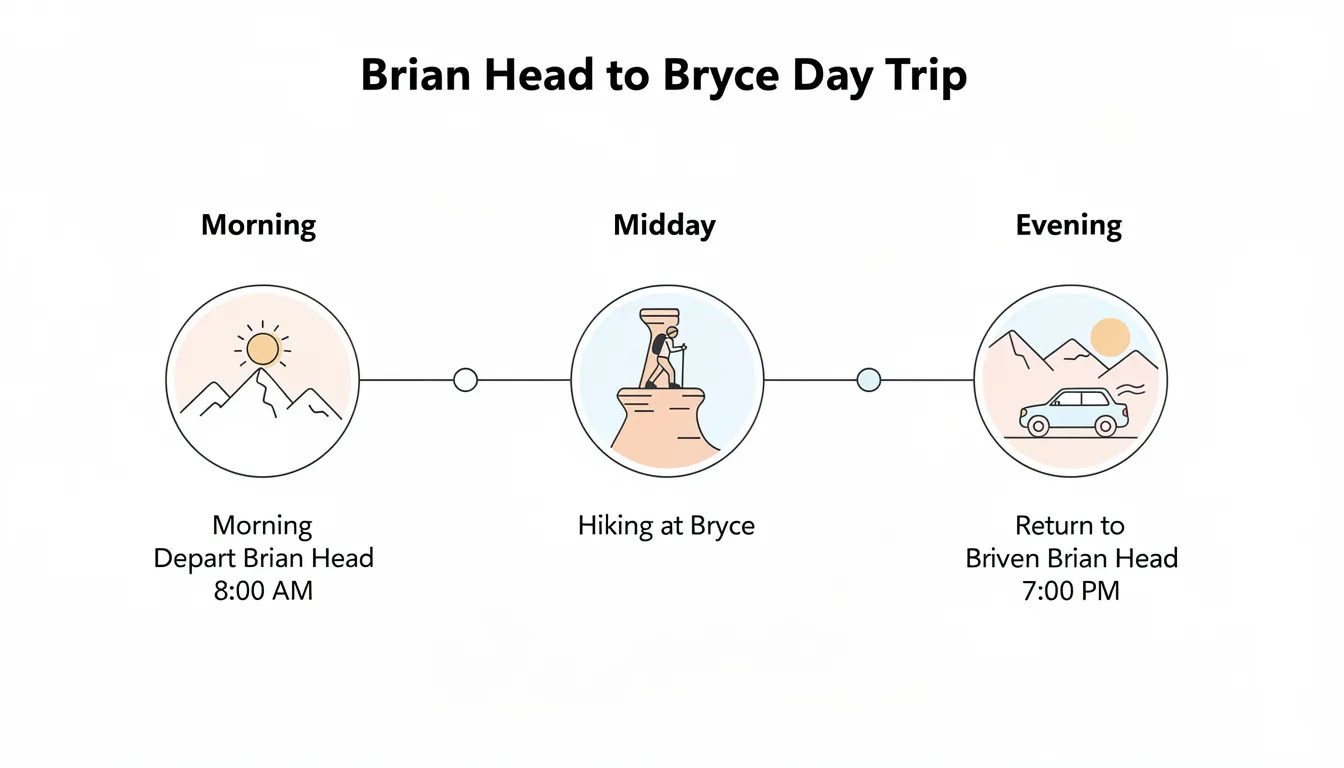
A day trip from Brian Head to Bryce Canyon offers the perfect opportunity for a “Ski & See” or “Hike & Hoodoos” combo.
Depart Brian Head in the morning, spend the afternoon exploring the canyon, and return for dinner—or extend into an overnight stay to catch both sunrise and sunset over the hoodoos.
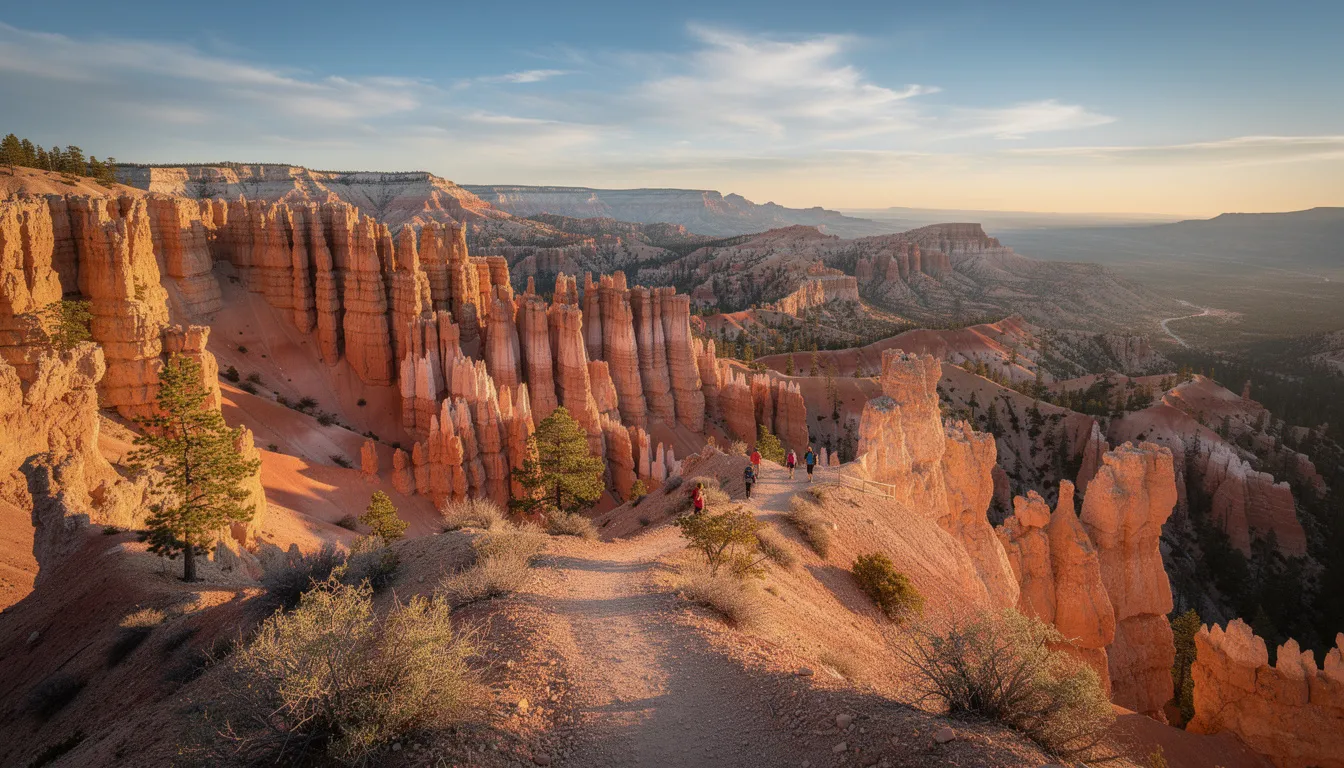
Must-See Bryce Canyon Highlights:
-
Main Viewpoints: Visit Sunrise Point, Sunset Point, Inspiration Point, and Bryce Point. For a short visit, start at Sunrise Point and work south.
-
Rim Trail Walk: Stroll the accessible trail segment between Sunrise and Sunset Point for panoramic rim views without descending into the canyon.
-
Navajo Loop & Queen’s Garden Combo: This 2.9-mile hike takes 2–3 hours and delivers up-close encounters with towering hoodoos. It’s the least strenuous way to experience the canyon floor.
-
Visitor Center Stop: Pick up maps, check current trail conditions, and watch the 22-minute orientation film for geological context.
Photography Tips:
-
Sunrise and late afternoon provide the best light for capturing the orange and pink rock formations
-
Winter snow creates striking contrast against the warm-colored stone
-
Spring wildflowers add splashes of color in May and June
-
Overcast days can enhance color saturation and reduce harsh shadows
Dining and Supplies:
-
The Lodge at Bryce Canyon offers seasonal dining with park views
-
Bryce Canyon City has several restaurants and convenience stores
-
Bring snacks and plenty of water from Brian Head or Panguitch—the dry climate (often below 20% humidity) dehydrates you faster than you’d expect
Trail Options by Fitness Level:
|
Trail |
Distance |
Time |
Difficulty |
|---|---|---|---|
|
Rim Trail (Sunrise to Sunset) |
1 mile |
30–45 min |
Easy, accessible |
|
Queen’s Garden |
1.8 miles |
1–2 hours |
Moderate |
|
Navajo Loop |
1.3 miles |
1–2 hours |
Moderate (steep sections) |
|
Navajo/Queen’s Combo |
2.9 miles |
2–3 hours |
Moderate |
Frequently Asked Questions
FAQ: Brian Head to Bryce Canyon Travel Questions
This section addresses the most common practical questions travelers ask when planning the drive from Brian Head to Bryce.
How long does it actually take door-to-door from most Brian Head cabins to Bryce Canyon Visitor Center?
Plan for 60–75 minutes in dry conditions with light traffic. In winter, when snow or ice affects UT-143, budget 90 minutes or more. Adding a fuel stop in Panguitch adds 10–15 minutes.
Is it safe to drive at night between Brian Head and Bryce Canyon?
Night driving is possible but not recommended. The route has limited lighting, no cell coverage in some sections, and frequent wildlife crossings (especially deer and elk). Daytime travel offers both safety and the chance to enjoy the scenery.
Do I need a national park pass, and where can I buy it?
Yes. Bryce Canyon charges $35 per vehicle (valid for 7 days) or you can purchase an America the Beautiful annual pass ($80) that covers all national parks. Passes are available at the entrance station or online in advance at recreation.gov.
Can I get round-trip transportation back to Brian Head the same day?
Many private shuttle companies offer custom round-trip packages, though their primary listings often feature one-way service. Contact providers directly or check online booking platforms for round-trip availability. A typical day trip allows 6–8 hours at the park before returning to Brian Head.
What should I pack for a day trip from Brian Head to Bryce?
-
Layers (temperatures can swing 30°F between rim and canyon floor)
-
Sun protection (hat, sunglasses, sunscreen)
-
At least 2 liters of water per person
-
Snacks or packed lunch
-
Sturdy hiking shoes with good traction
-
Traction devices (microspikes) in winter
-
Camera with charged batteries
Are there restrooms and services along the route?
Panguitch offers the most complete services (gas, food, restrooms, ATMs). Bryce Canyon City, just outside the park, has additional restaurants, lodging, and a general store. Inside the park, restrooms are available at the Visitor Center and major viewpoints.
For hassle-free planning, compare private shuttles and guided transfers here: Book Now
Combining Brian Head with Other Southern Utah Parks
Brian Head’s location makes it an ideal base for exploring multiple national parks and monuments beyond Bryce Canyon. Within a 2-hour drive, you can access some of the most famous landscapes in the world.
Nearby Destinations and Drive Times from Brian Head:
|
Destination |
Distance |
Drive Time |
Best Season |
|---|---|---|---|
|
Cedar Breaks National Monument |
6 miles |
10–15 min |
June–October (road closed in winter) |
|
Bryce Canyon National Park |
80–90 miles |
60–75 min |
Year-round |
|
Zion National Park |
75 miles |
1.5–2 hours |
Year-round |
|
Grand Staircase-Escalante |
90+ miles |
2+ hours |
Spring/Fall |
|
Cedar City |
28 miles |
35 min |
Year-round |
 |
|||
|
Sample Multi-Day Itineraries: |
3-Day Adventure:
-
Day 1: Arrive at Brian Head; explore Cedar Breaks National Monument or ski the slopes (winter)
-
Day 2: Day trip to Bryce Canyon; hike Navajo Loop and visit main viewpoints
-
Day 3: Drive to Zion National Park for Angels Landing or the Narrows; return or continue south
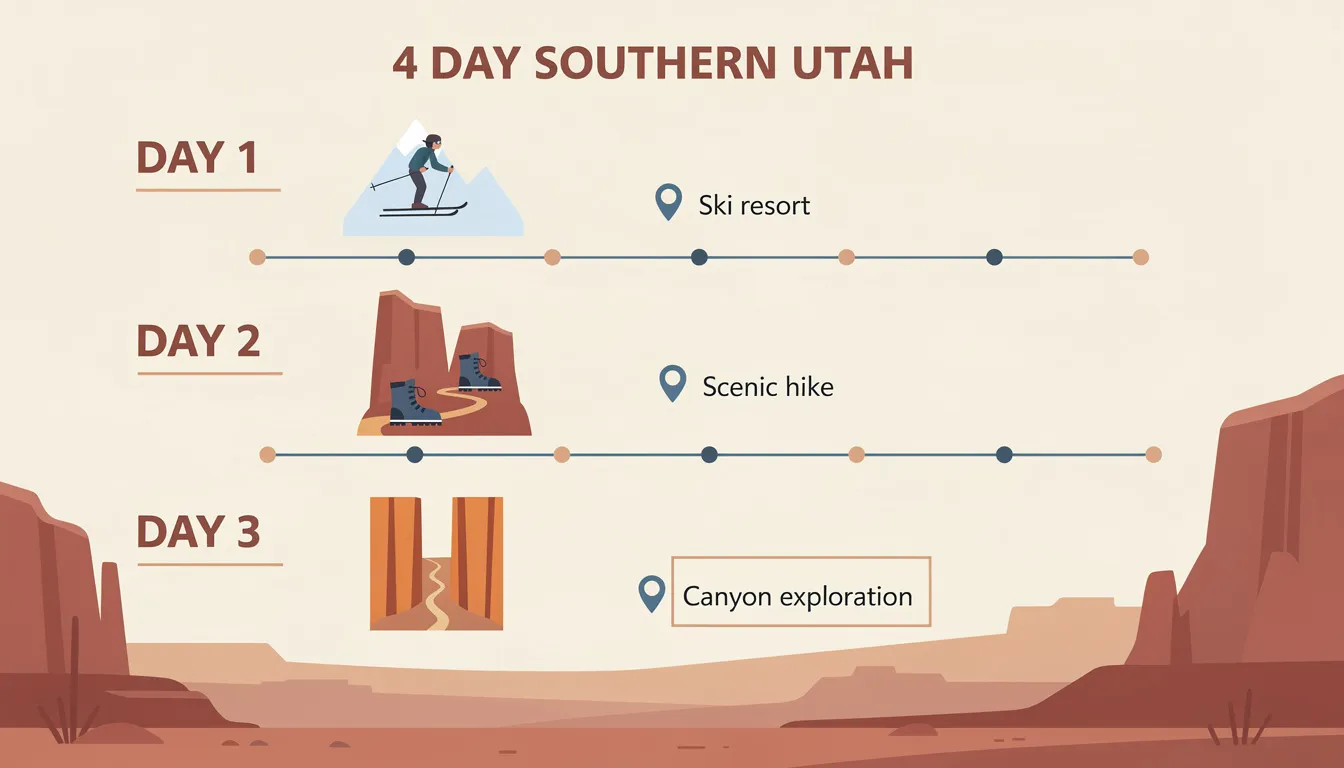
4-Day Explorer:
-
Day 1: Brian Head skiing, biking, or tubing depending on season
-
Day 2: Morning at Cedar Breaks; afternoon drive to Bryce for sunset views
-
Day 3: Full day at Bryce—Rim Trail, Queen’s Garden, sunrise photography
-
Day 4: Zion National Park day trip; Riverside Walk or Canyon Overlook Trail
Activity Ideas by Season:
-
Winter: Skiing and snowboarding at Brian Head Resort; snowmobile tours near Cedar Breaks; snow-dusted hoodoo photography at Bryce
-
Summer: Mountain biking Thunder Mountain or other trails near Brian Head; hiking the Under-the-Rim Trail at Bryce; canyoneering at Zion
-
Fall: Scenic drives through golden aspens on UT-143; photography workshops at Bryce; fewer crowds at all parks
Multi-park shuttle packages and guided tours can simplify logistics for travelers who want to spend their time exploring rather than driving.
Book Now – Find combo tours covering Brian Head, Bryce, and beyond.
Key Takeaways
-
The drive from Brian Head Utah to Bryce Canyon covers 80–90 miles and takes 60–75 minutes in good conditions
-
Private transfers eliminate stress on winter roads and solve parking challenges at popular viewpoints
-
UT-143 features steep grades and potential snow; check road conditions before departing November through April
-
Summer visitors should arrive at Bryce before 8 AM to secure parking at major viewpoints
-
The Navajo Loop and Queen’s Garden combo offers the best introduction to the canyon floor
-
Brian Head works as a central base for multi-park itineraries including Zion, Cedar Breaks, and the Scenic Byway 12 corridor
Whether you’re chasing powder at Brian Head or chasing hoodoos at Bryce, this route delivers some of the most dramatic landscapes in the American Southwest.
With the right plan and a little advance booking, you can experience world-class skiing and hiking within the same weekend.
Ready to explore Southern Utah’s most iconic landscapes? Book Now and spend less time navigating mountain roads—and more time making memories among the hoodoos.