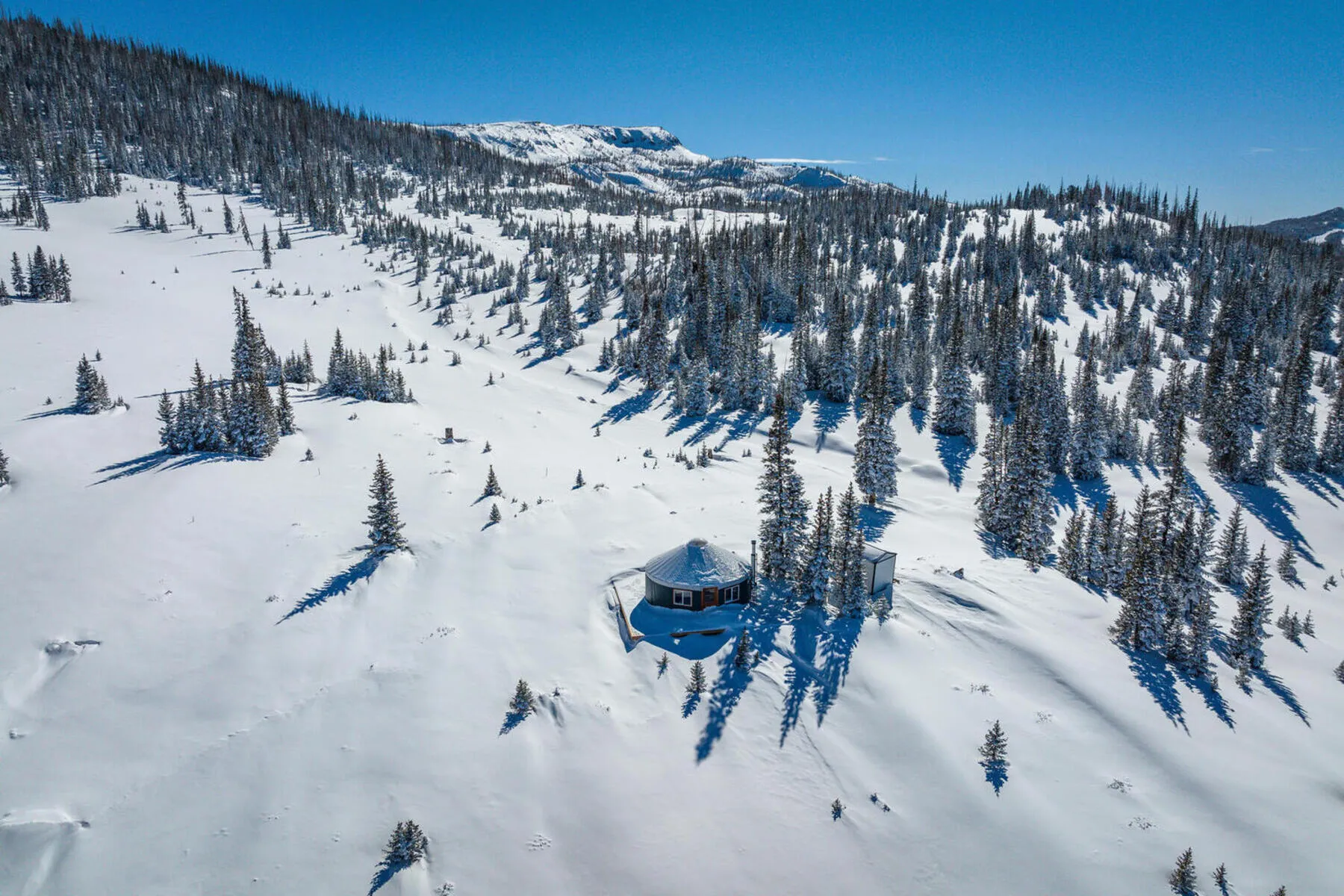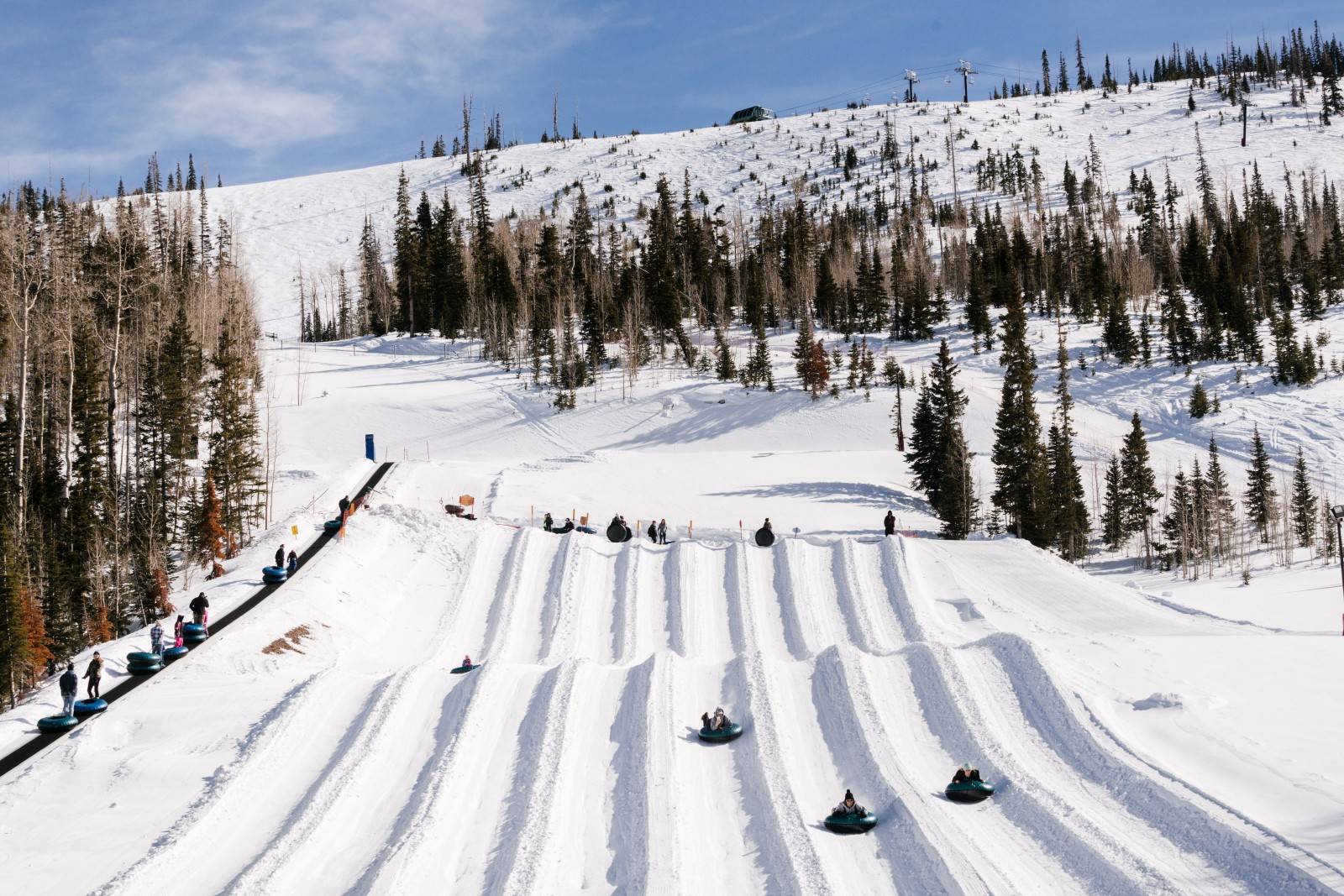

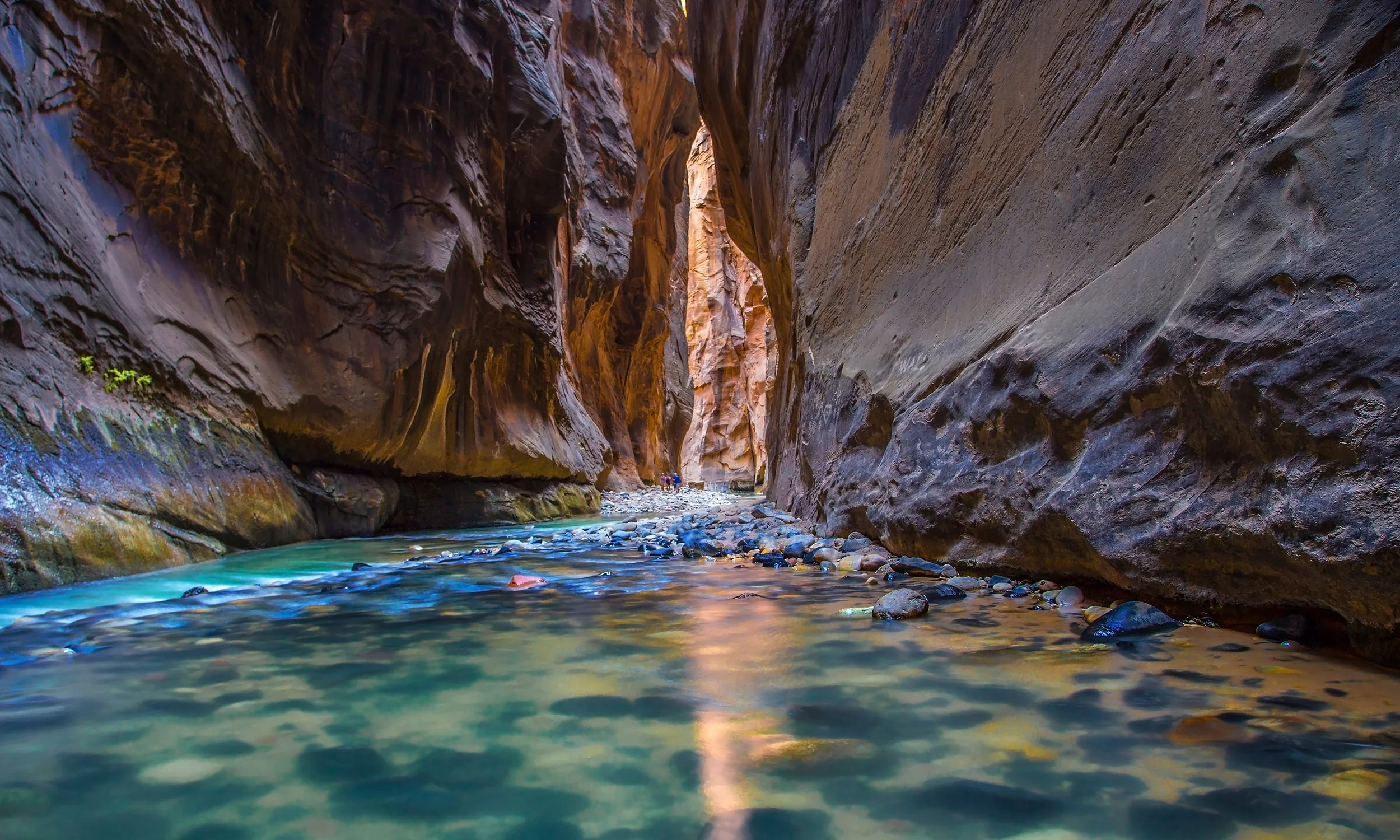
There’s something almost surreal about carving through fresh powder at 10,000 feet in the morning and walking along a desert river beneath towering sandstone cliffs that same afternoon.
The drive from Brian Head to Zion makes this possible, and it’s one of the most dramatic landscape transitions you can experience anywhere in the world.
This guide walks you through everything you need to plan this unique adventure across southern Utah, from route logistics and seasonal timing to where to stay and what to do on both ends of the trip.
Answer First: Is Brian Head Really Close to Zion?
Yes. Brian Head is approximately 70–75 miles from Zion National Park, which translates to roughly 1.5 hours of driving via UT-143, I-15 South, and UT-9.
This proximity means you can literally ski Brian Head in the morning and hike Zion Canyon the same afternoon during late March and April when conditions align.
The resort’s high elevation (9,600-foot base) holds snow well into spring while Zion’s lower canyon floors sit comfortably in the 55–65°F range.
Here’s the drive breakdown:
- Brian Head to Cedar City: 35–40 minutes via UT-143
- Cedar City to Springdale/Zion Entrance: 45–50 minutes via I-15 and UT-9
- Total Drive Time: 1.5 hours in good conditions, up to 2 hours with winter weather or peak traffic
Spring and fall dates fill up fast in both locations. Secure your lodging early—especially in Springdale, where options are limited—and consider booking a rental car for the Brian Head to Zion drive well in advance if you’re flying into Cedar City Regional Airport, Las Vegas International Airport, or George Regional Airport.
Book Now to lock in accommodations before peak season rates kick in.
Planning Your Brian Head to Zion Itinerary (1–4 Days)
The beauty of this trip is its flexibility. You can do a whirlwind day trip or stretch it into a multi-day adventure that covers skiing, hiking, canyoneering, and paddleboarding. Here are sample itineraries to match different schedules:
1-Day Blitz
- Morning: Hit the slopes at Brian Head Resort for 3–4 hours of skiing or snowboarding
- Midday: Drive to Zion (1.5 hours)
- Afternoon: Hike Riverside Walk or Lower Emerald Pool Trail—both are great options for a short hike, accessible and perfect for families
- Evening: Dinner in Springdale before heading out
2-Day Trip
- Day 1: Full day skiing at Brian Head, late afternoon stop at Cedar Breaks National Monument overlook
- Day 2: Zion Canyon shuttle exploration, Emerald Pools hikes (consider the Lower Emerald Pool Trail for a short hike suitable for all ages), sunset at Canyon Overlook Trail
3–4 Day Spring Break
- Day 1: Arrive in Brian Head, settle in, easy afternoon ski session
- Day 2: Full ski day with night skiing if available
- Day 3: Drive to Zion, Riverside Walk Trail, Pa’rus Trail, explore Springdale
- Day 4: Canyoneering near Virgin or paddleboarding at Quail Creek State Park
The drive from Brian Head to Zion also allows for short detours to picturesque spots like Duck Creek Village and Panguitch Lake.
The snow-and-desert combo typically works from late February through mid-April, depending on Brian Head’s snowpack and Zion’s spring weather patterns.
October offers another window where Zion hiking is excellent, though Brian Head may not have snow yet—focus shifts to mountain biking and fall colors instead.

Getting to Brian Head: Arrival Logistics and Travel Tips
Reaching the breathtaking mountain paradise of Brian Head is easier than you might imagine, thanks to several exceptional travel options that connect you directly to the heart of southern Utah’s premier adventure destination!
The closest airport to this mountain getaway is Cedar City Regional Airport (CDC), just 30 miles away, making it a quick and scenic drive to the slopes if you can snag a flight that fits your perfect vacation schedule.
However, with limited flights in and out of Cedar City, many adventure seekers opt for the broader, more convenient options available at Las Vegas International Airport (LAS) or Salt Lake City International Airport (SLC).
Both major airports are about a three-hour drive from Brian Head, offering a wide range of flight times and competitive fares that make planning your mountain escape both easy and affordable!
Once you land, picking up a rental car is absolutely the best way to ensure seamless access to Brian Head and the surrounding natural wonders.
Having your own vehicle gives you the ultimate flexibility to explore this beautiful mountain destination at your own pace, whether you’re heading straight to the resort or planning to discover nearby national parks and spectacular attractions.
If you’re traveling during the magical winter months, we’ve got you covered with essential road condition updates—snow and ice can impact travel times, especially on the scenic mountain roads leading up to Brian Head.
It’s smart to check Utah’s road condition updates before you set out on your adventure, and consider equipping your car with snow tires or chains if the forecast calls for exceptional winter weather!
For the smoothest possible trip to this mountain paradise, use comprehensive travel planning tools like Rome2rio to compare routes, check schedules, and book transportation well in advance.
Whether you’re flying into Cedar City, Las Vegas, or Salt Lake City, a little planning goes a long way toward making your journey to Brian Head as stress-free and enjoyable as possible.
With the right preparation, you’ll be carving fresh powder or soaking up the pristine mountain air in this exceptional destination in no time!
Exploring the Area Around Brian Head: Local Gems and Hidden Adventures
Find the perfect base for exploring Zion National Park with easy access to world-famous hiking trails, including the family-friendly Riverside Walk Trail and the breathtaking Observation Point hike.
We’ve got you covered with stunning views and red rock beauty that make Zion Canyon a must-see destination for your mountain getaway.
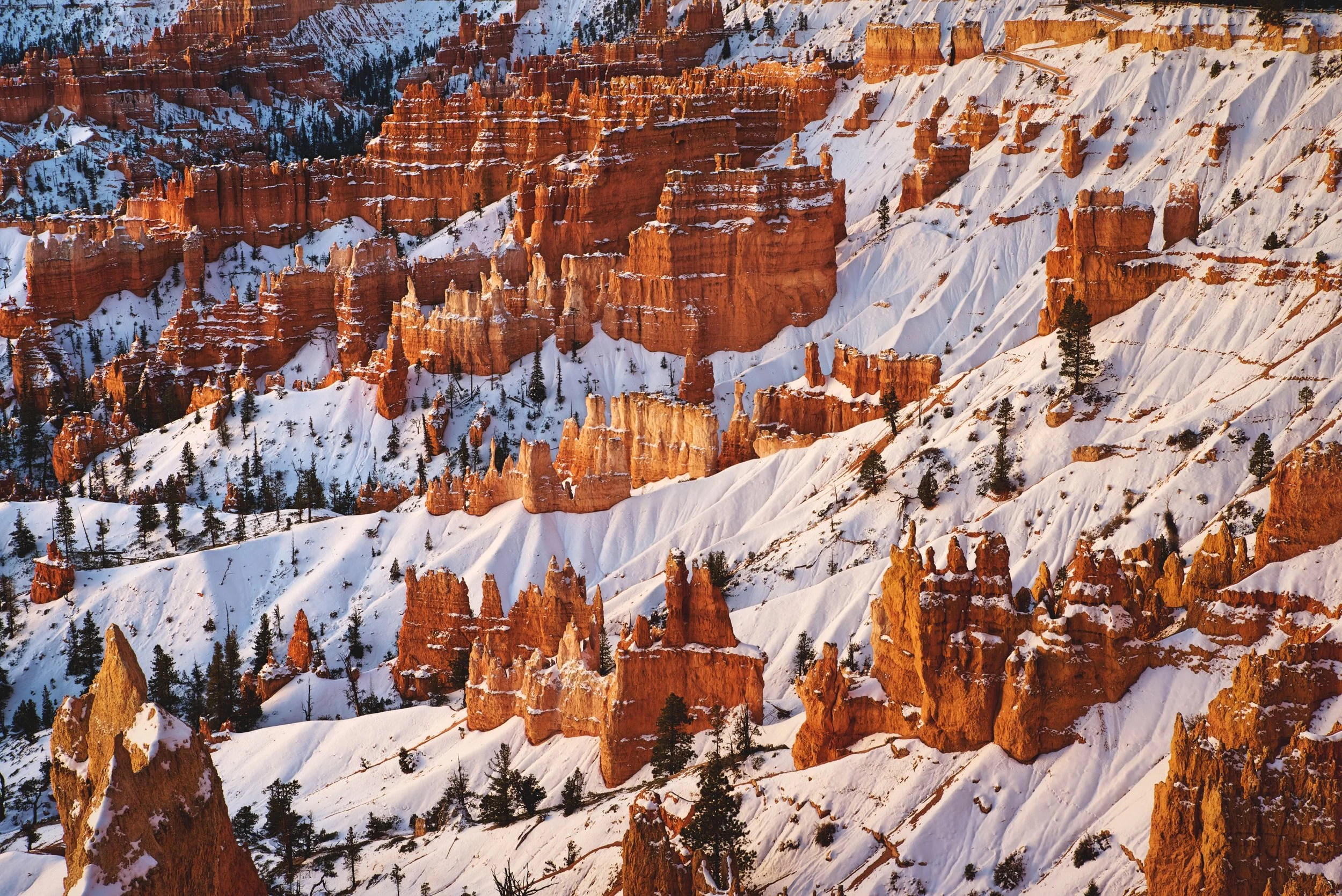
Discover Cedar Breaks National Monument just a short drive from Brian Head—this hidden gem offers exceptional amphitheater views with vibrant red rock formations and sweeping vistas, especially magical in late afternoon light.
Cedar City provides the perfect mix of shops, restaurants, and cultural events including the renowned Utah Shakespeare Festival, located just 40 minutes away.
Find detailed options for small-town hospitality to round out your trip with ease.
Explore endless opportunities in the surrounding Dixie National Forest where mountain biking trails wind through pine forests and meadows, with hiking paths leading to quiet overlooks and secret spots.
The Virgin River provides exceptional wildlife watching and peaceful riverside experiences as it carves through Zion Canyon.
For families, we recommend the easy hike to Scouts Lookout on the way to Angels Landing—a local favorite offering adventure and stunning views without technical climbing requirements.
Plan your perfect escape by exploring slot canyons near Duck Creek or setting out on summer mountain biking adventures when snow melts and trails open up.
Whether you’re planning a quick day trip or weeklong exploration, the area around Brian Head delivers beautiful landscapes, easy national park access, and plenty of family fun throughout all seasons.
With countless trails, canyons, and hidden corners to discover, start planning your next Utah adventure from this exceptional mountain destination today!
Driving from Brian Head to Zion: Route, Times, and Scenic Stops
The main route is straightforward:
- Brian Head to UT-143: Descend the mountain through stunning high-elevation forest
- Connect to I-15 South: Via Parowan or Cedar City
- Exit at UT-9: Through Virgin and Springdale into the park entrance
Realistic Drive Times
- 1.5 hours in good weather with light traffic
- Up to 2 hours during winter conditions or peak summer/holiday traffic
Pros and Cons of the Route
Pros:
- Easy paved highways the entire way
- Year-round access (barring severe storms)
- Stunning scenic transitions from alpine to desert
- Multiple fuel and food stops in Cedar City, Hurricane, and La Verkin
Cons:
- Steep mountain grades leaving Brian Head require attention
- Possible snow and ice on UT-143 from December through March
- Heavy Zion traffic on weekends and holidays, especially at the park entrance
Recommended Stops
- Parowan: Quick fuel stop and snacks, closest town to Brian Head
- Cedar City: Larger grocery stores for stocking up before Zion
- La Verkin or Hurricane: Last affordable gas and supermarkets before Springdale prices
Use a navigation app for real-time updates, but also check Utah DOT road conditions for UT-143 during winter months.
This scenic drive through Dixie National Forest is worth the extra attention to weather forecasts.
Brian Head Resort: High-Elevation Snow Above the Desert
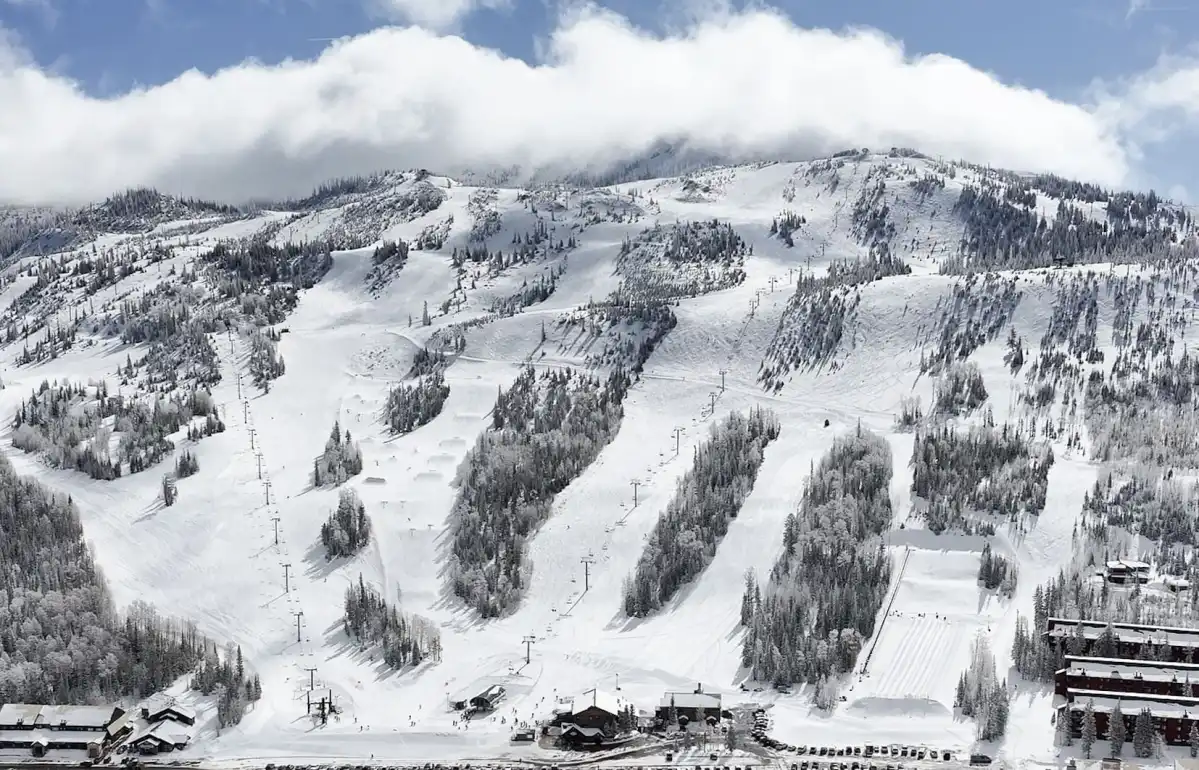
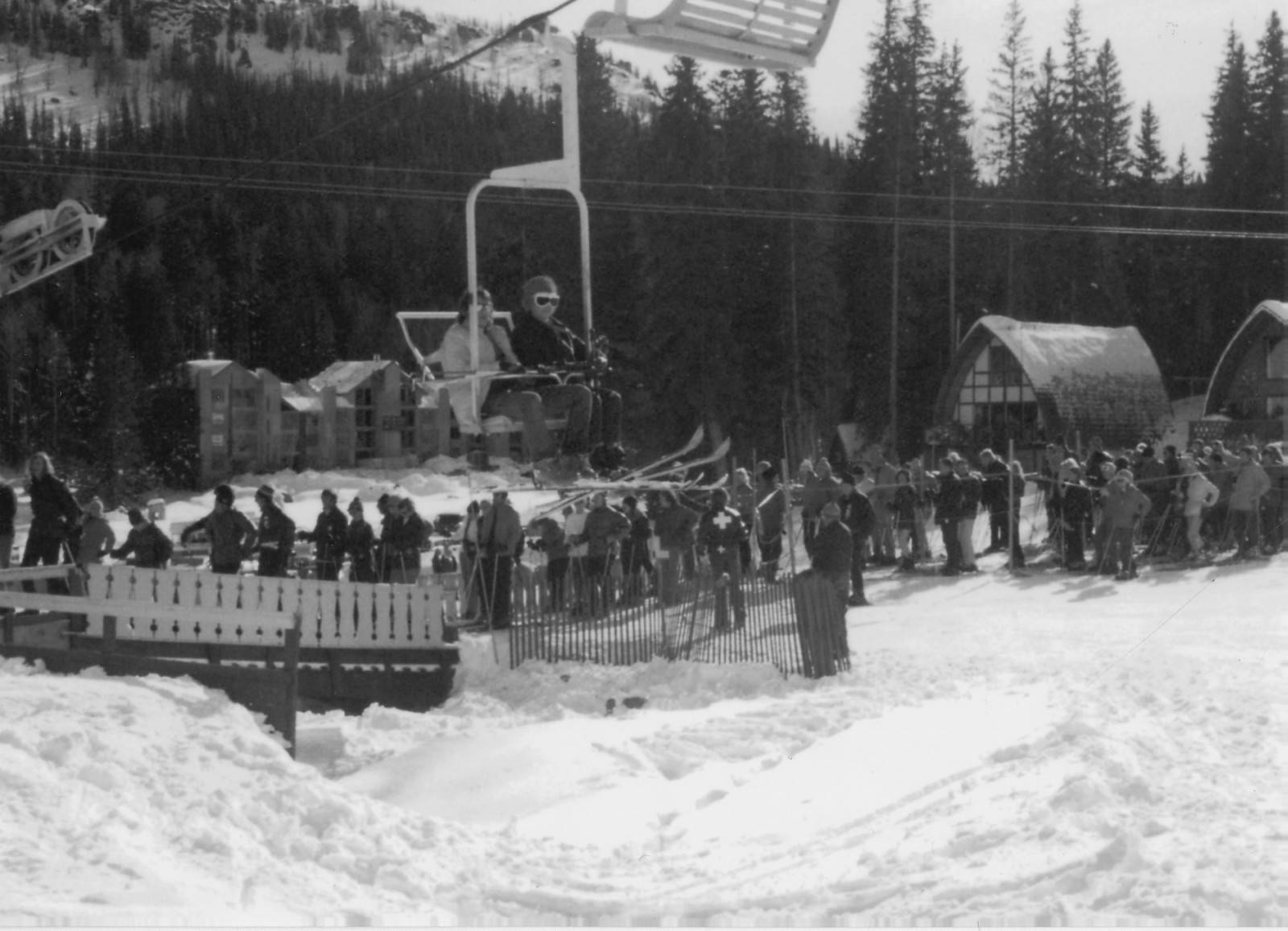
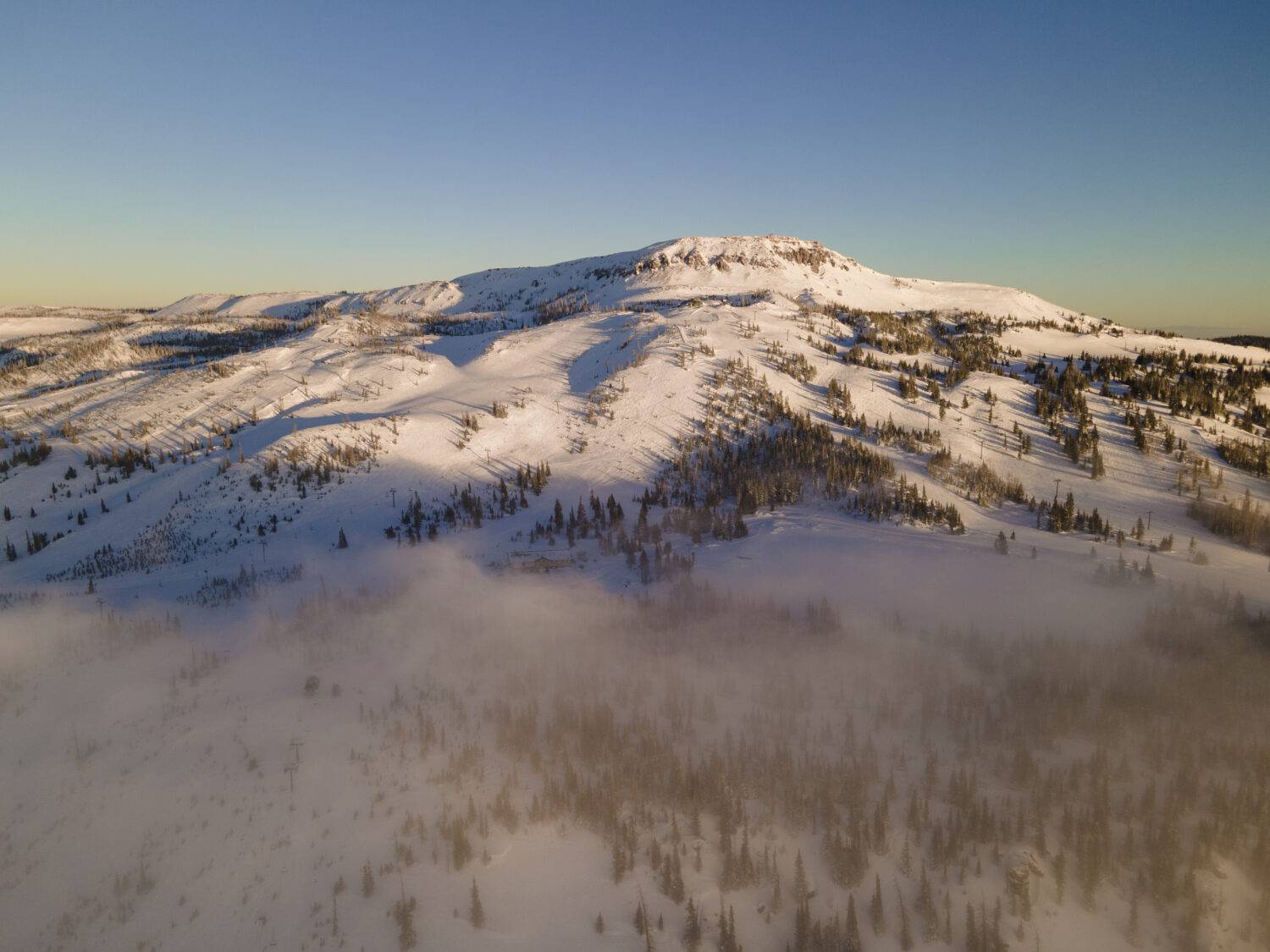
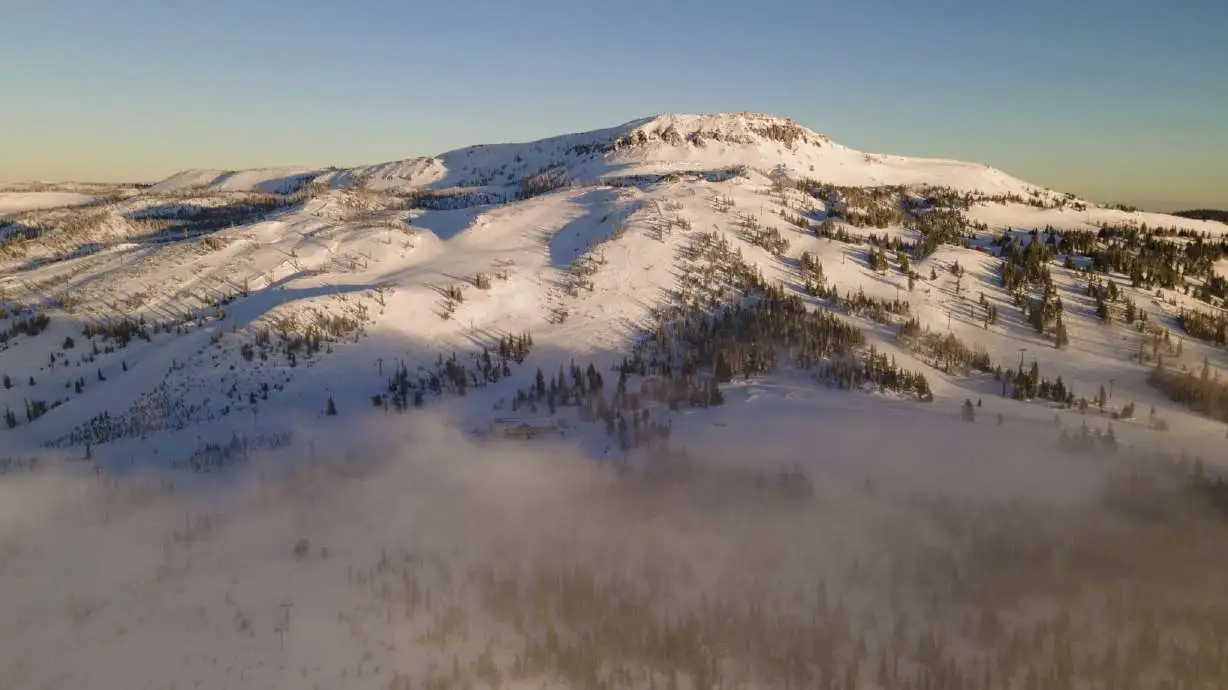
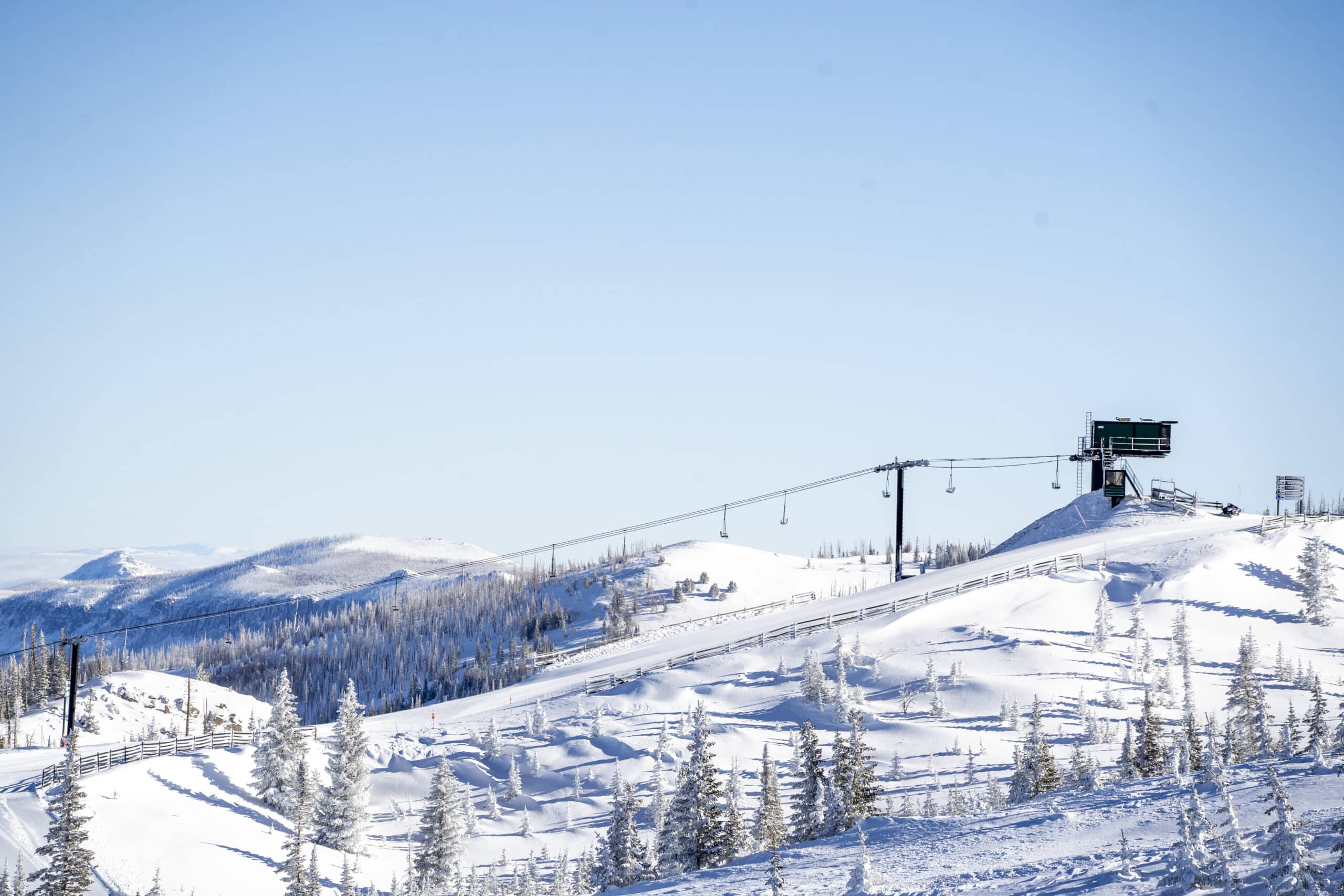
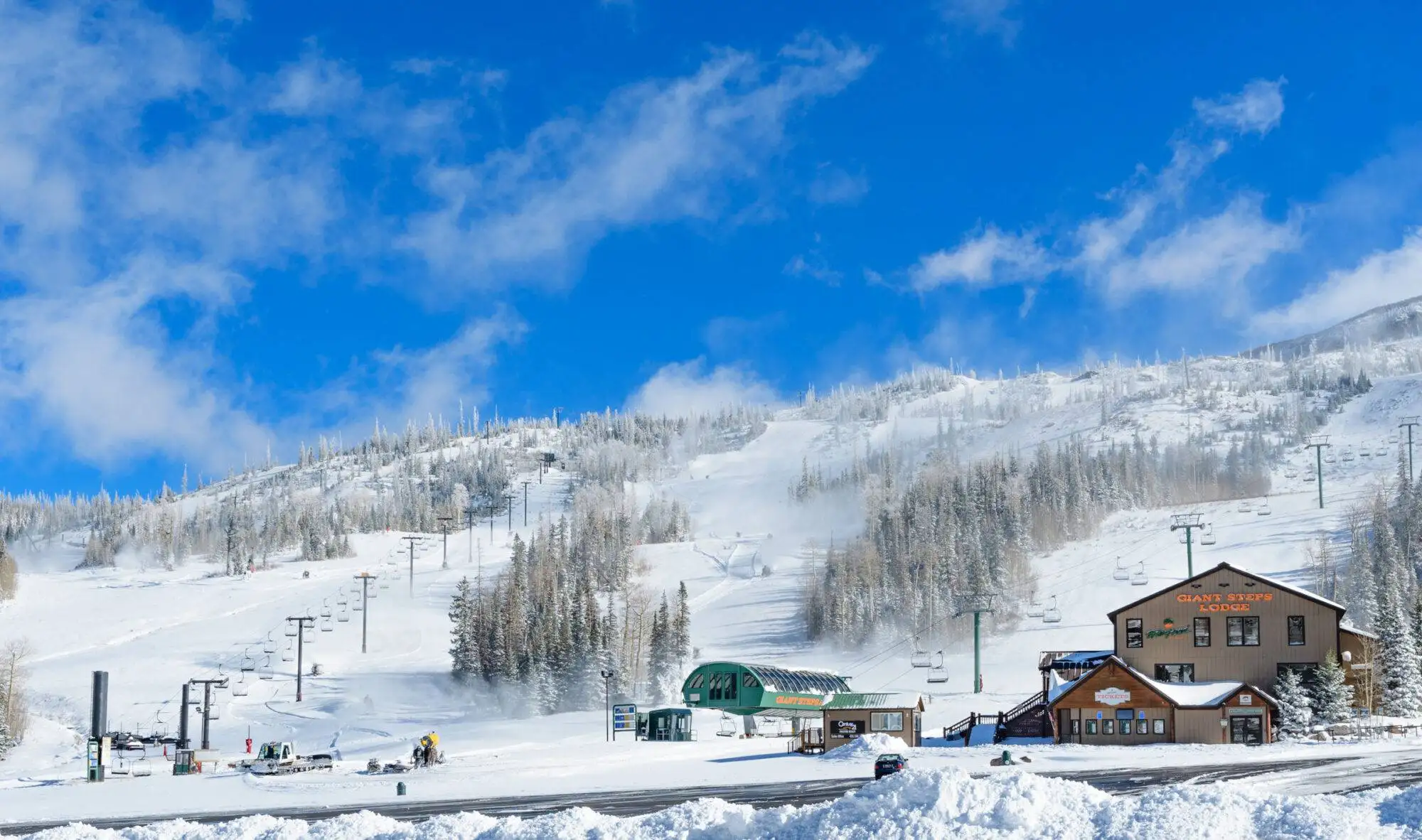
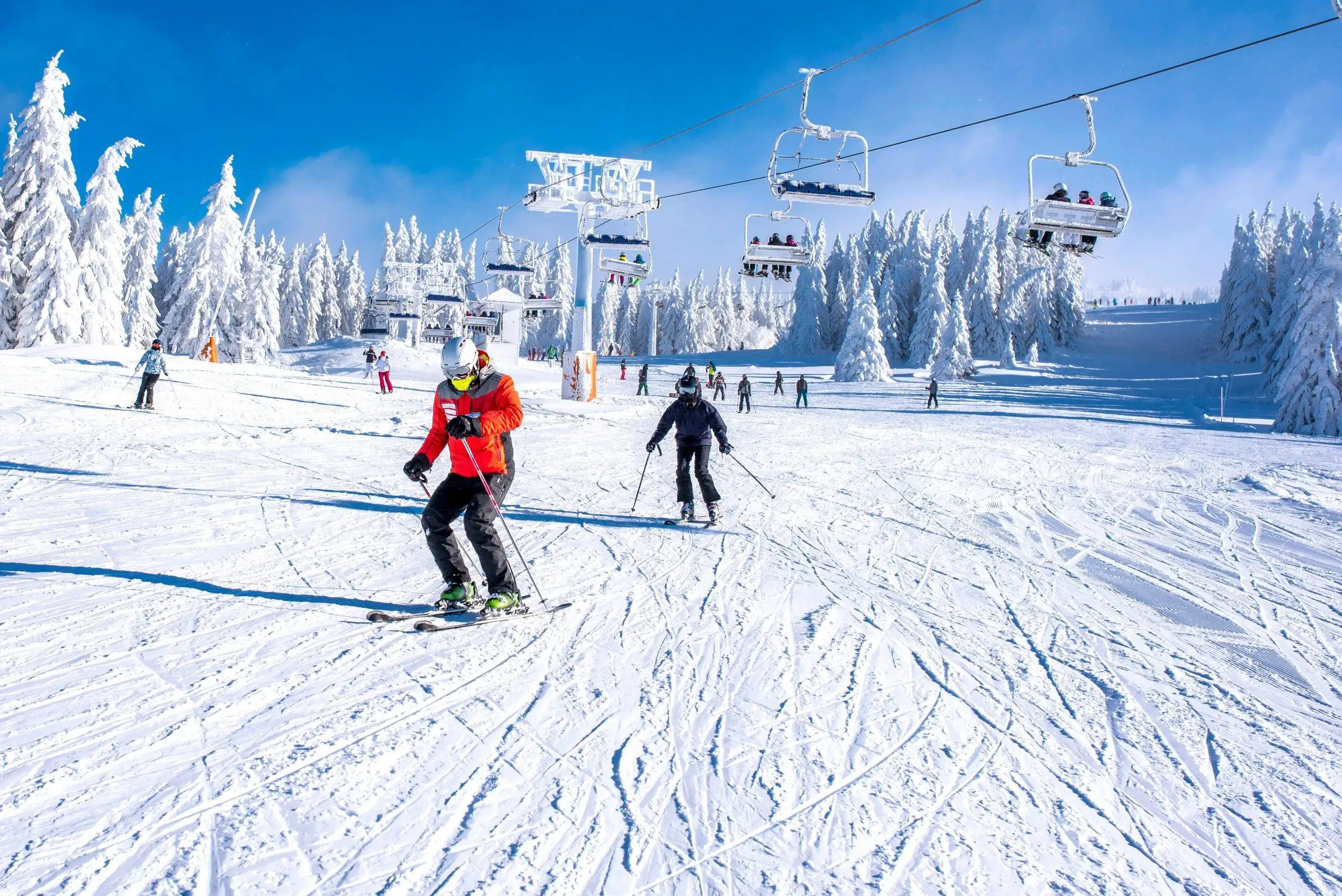
Brian Head Resort sits at a 9,600-foot base elevation with its summit reaching 11,307 feet, making it one of the highest ski areas in Utah. This altitude means the resort holds snow longer than many expect for a location this far south in the state.
Key Winter Stats
- Average 200+ inches of annual snowfall (some seasons exceeding 400 inches)
- 71 runs across Giant Steps and Navajo Peak
- 8 lifts serving 650 skiable acres
- Terrain for beginners through experts
- Lift tickets typically run $80–$120 for adults, notably more affordable than Salt Lake City-area resorts
Winter Activities
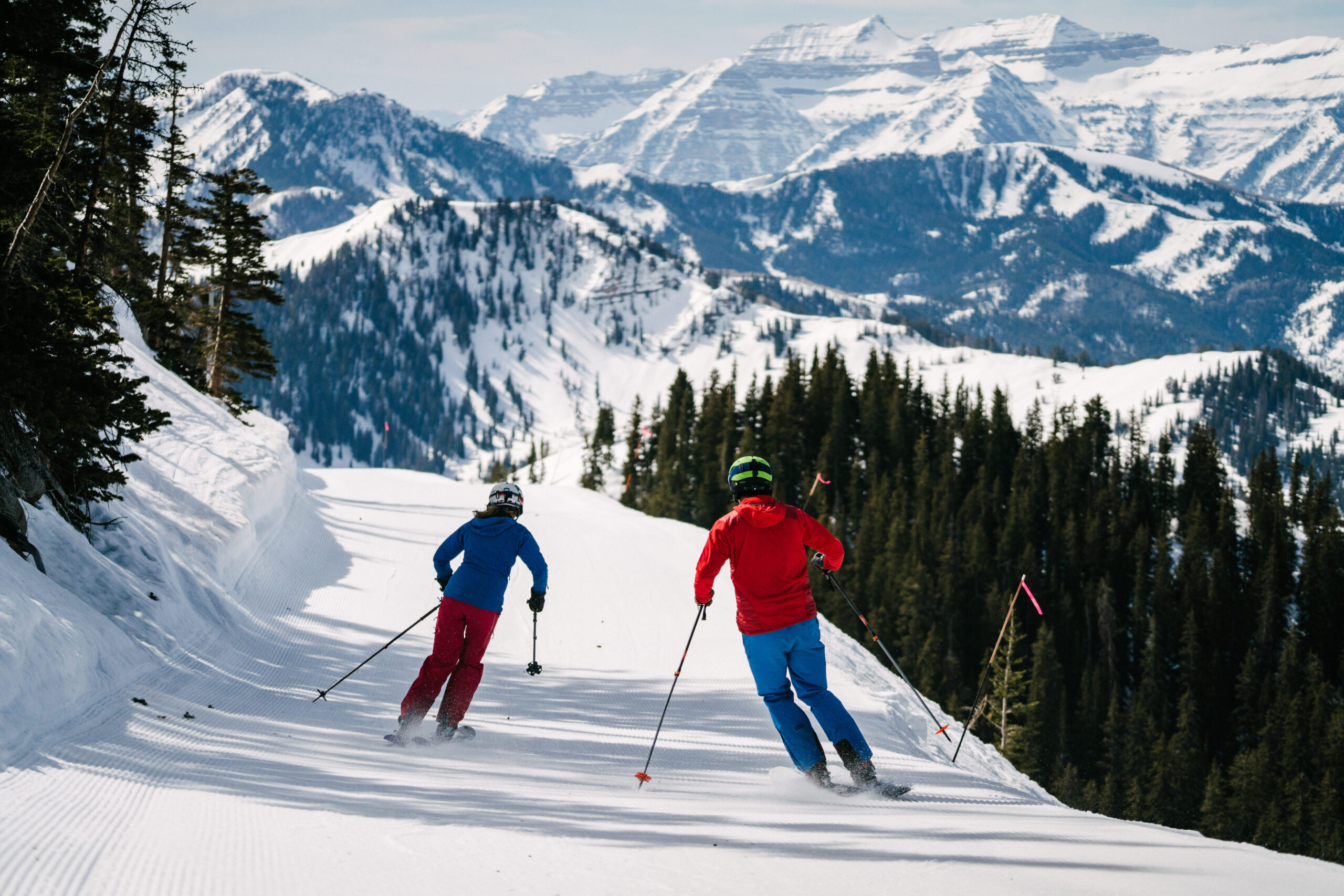
- Skiing and snowboarding on varied terrain
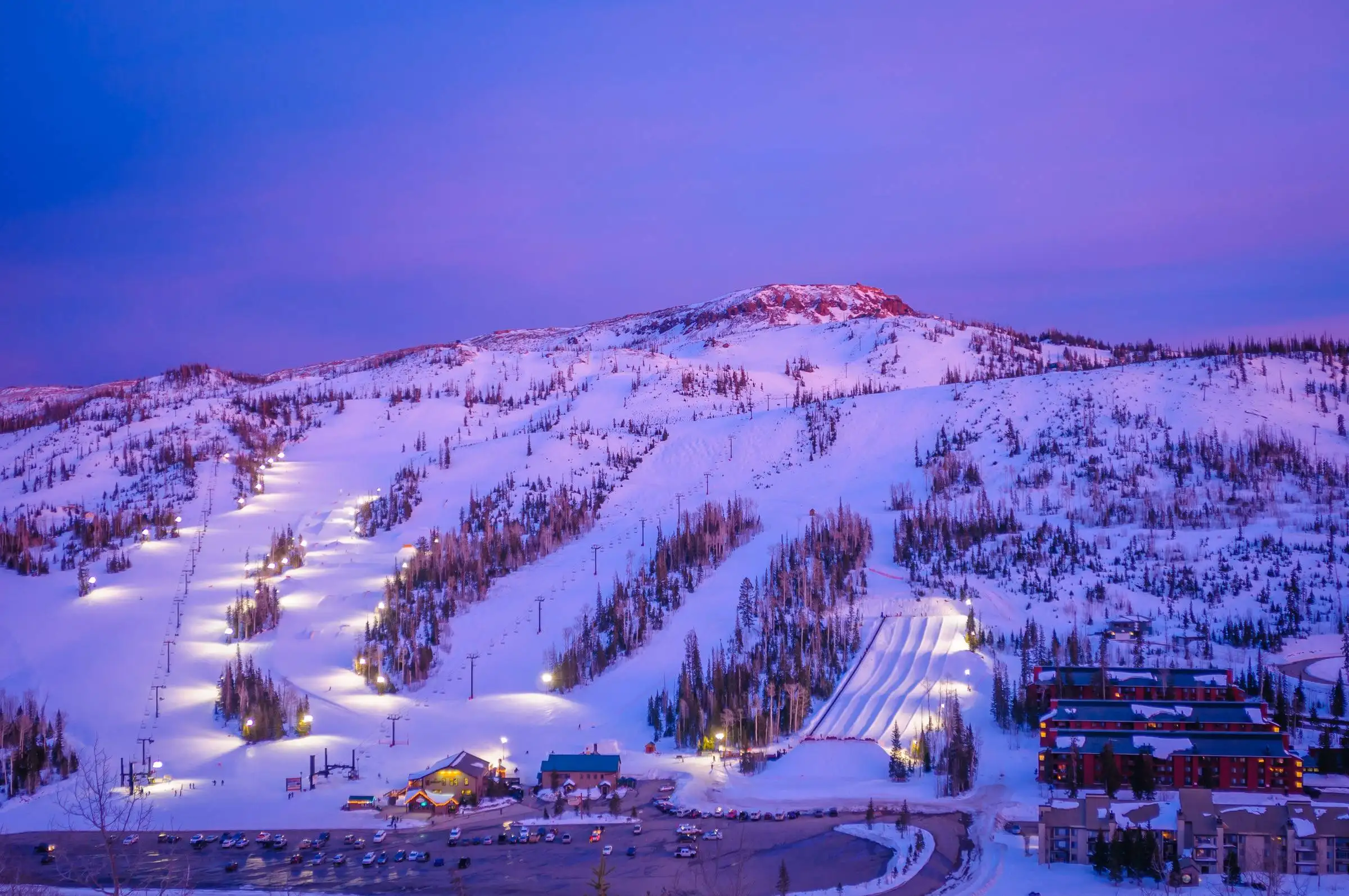
- Night skiing on select evenings
- Terrain parks for teens and intermediate riders
- Ski and snowboard school for kids
Pros and Cons
Pros:
- Far fewer crowds than resorts near Salt Lake City
- Family-friendly atmosphere with approachable ski school
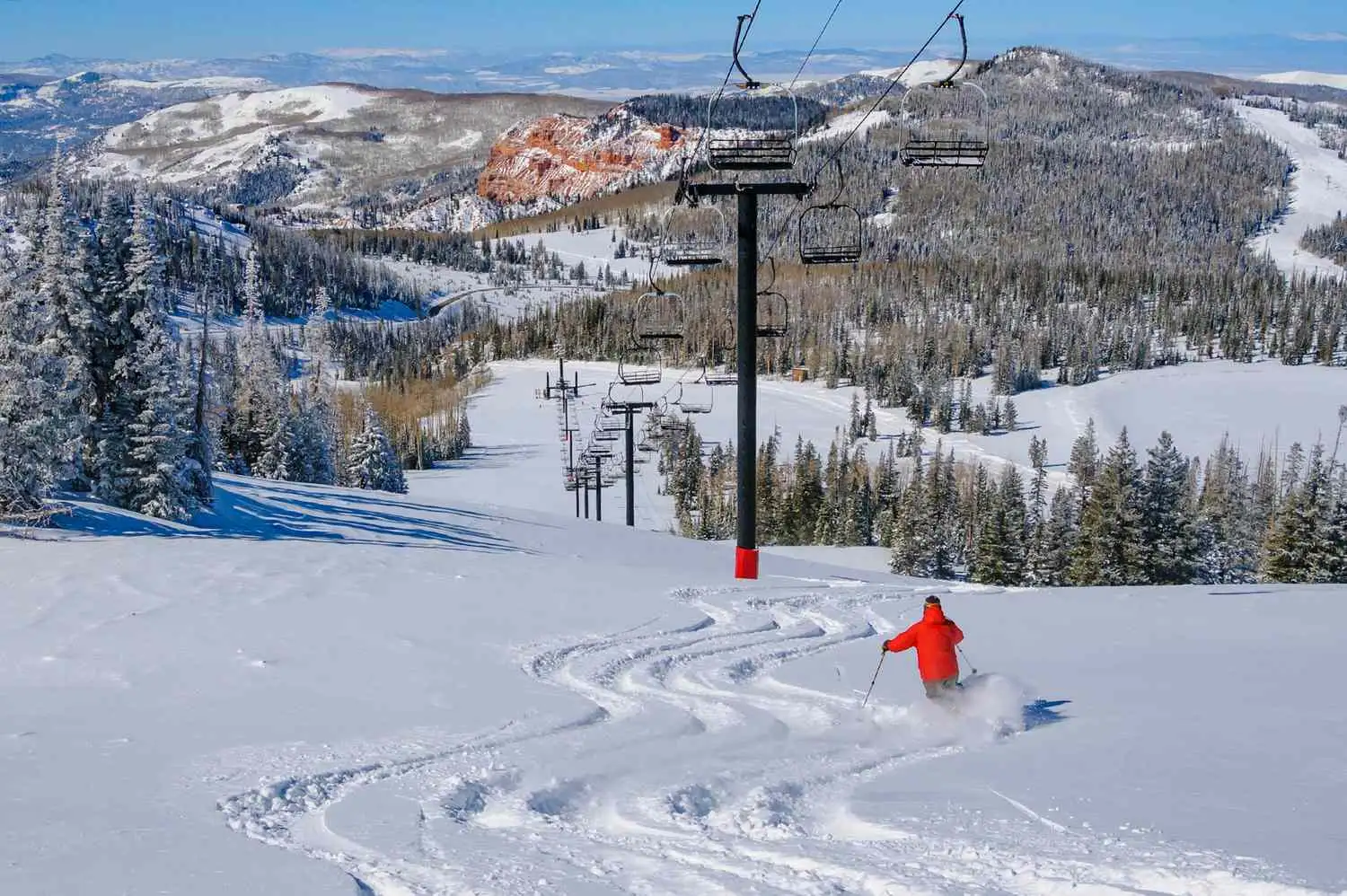
- Stunning views of Cedar Breaks and red rock desert from upper lifts
- Fresh air and quiet evenings
Cons:
- Altitude adjustment needed—hydrate aggressively and take it easy day one
- Limited nightlife and dining options in the village
- Winter driving skills helpful on mountain roads
From the top of certain lifts, you can see the orange hoodoo amphitheater of Cedar Breaks on clear days—a preview of the unique geology you’ll encounter throughout this region.
Reserve ski and snowboard rentals in advance.
From Snow to Sandstone: What to Do in Zion After Brian Head
The temperature contrast is real. You might wake up at 20°F in Brian Head and hike in a light jacket at 55–65°F in Zion Canyon that same afternoon during March or April.
Your legs might be tired from skiing, so start with easier trails.
For a different kind of activity, visitors can also explore interactive exhibits at local visitor centers or museums, which offer engaging, hands-on experiences for all ages.
Best Post-Ski Hikes and Activities
Riverside Walk
- 2.2 miles round-trip, paved and flat
- Follows the Virgin River to the Narrows gateway
- Perfect for stiff legs after a ski day
- Suitable for kids and strollers
Lower Emerald Pool Trail – discover more exciting things to do in Brian Head.
- 1.2 miles round-trip, easy hike
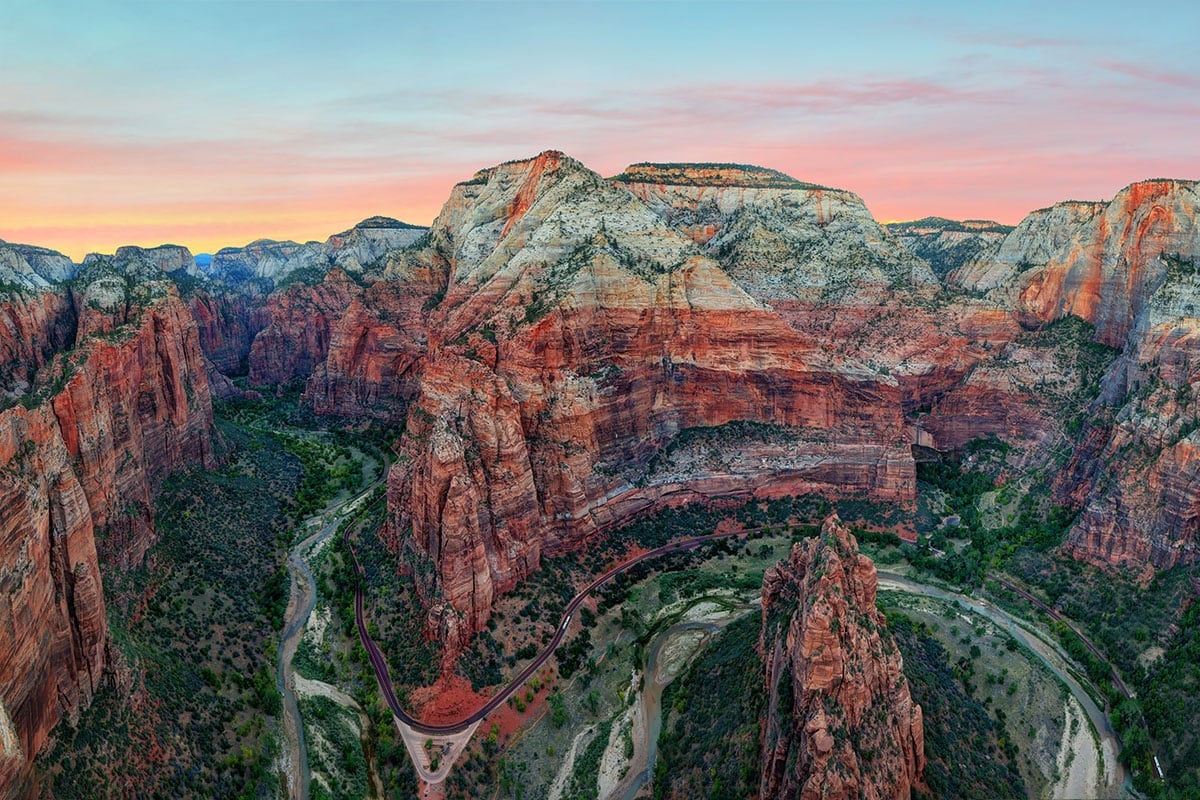
- Waterfall views and introduction to Zion’s towering cliffs
- A local favorite for families
Canyon Overlook Trail
- 1 mile round-trip, moderate
- Big views for minimal effort
- Located outside the main canyon near the tunnel
- Best early morning or late afternoon to avoid parking challenges
Pa’rus Trail
- Flat, paved path from Visitor Center
- Bike and stroller-friendly
- Runs along the river through the scenic drive corridor
Zion Canyon Scenic Drive (Shuttle)
- March through late fall, private cars are restricted
- Hop on and off at various stops along the canyon floor
- Gives you access to trailheads without parking stress
Pros and Cons of Visiting Zion After Brian Head
Pros:
- Warmer temperatures perfect for tired ski muscles
- Completely different scenery creates a memorable contrast
- Easy trails available for recovery days
Cons:
- Shuttle schedules require planning
- Crowds can be heavy in peak season
- Springdale lodging books up fast—reserve early
Book Now: Guided Zion canyon tours.

Adventure Add-Ons Between Brian Head and Zion
The corridor between these two destinations is packed with adventure opportunities. If you can extend to 3–4 days, consider adding one of these experiences:
Canyoneering
- Yankee Doodle Canyon or Lambs Knoll offer guided experiences
- Rappels up to 75 feet into slot canyons
- Good for older kids and teens
- Requires booking with licensed guides
Mountain Biking
- Wire Mesa and Gooseberry Mesa near Virgin and Hurricane
- World-class slickrock riding with breathtaking views toward Zion cliffs
- Technical terrain that draws riders from around the world
Paddleboarding and Kayaking
- Quail Creek State Park or Sand Hollow State Park
- Warm-water cool-down after desert hiking
- Red-sand beaches and beautiful landscapes
- Water temps reach 70°F by spring
Pros and Cons of Add-On Adventures
Pros:
- Big thrills for teens and adventure seekers
- Guided safety for technical activities
- Unique slot canyon photos you won’t get anywhere else
- Some of the best slickrock trails in the world
Cons:
- Weather-dependent activities
- Require advance reservations in peak season
- Canyoneering not ideal for very young children

Where to Stay: Brian Head, Cedar City, and Springdale (Zion)
The smart lodging strategy involves one night on the mountain at Brian Head plus one or more nights near Zion in Springdale, Hurricane, or St. George.
Brian Head Village
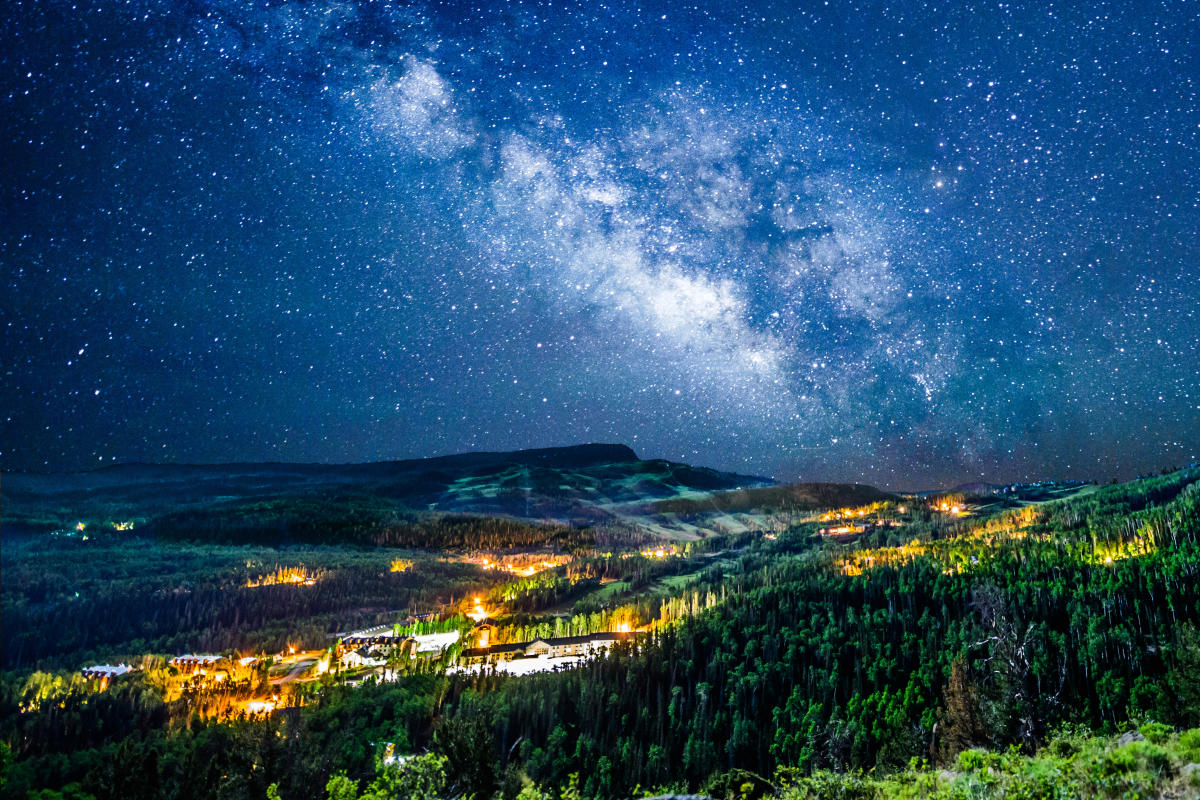
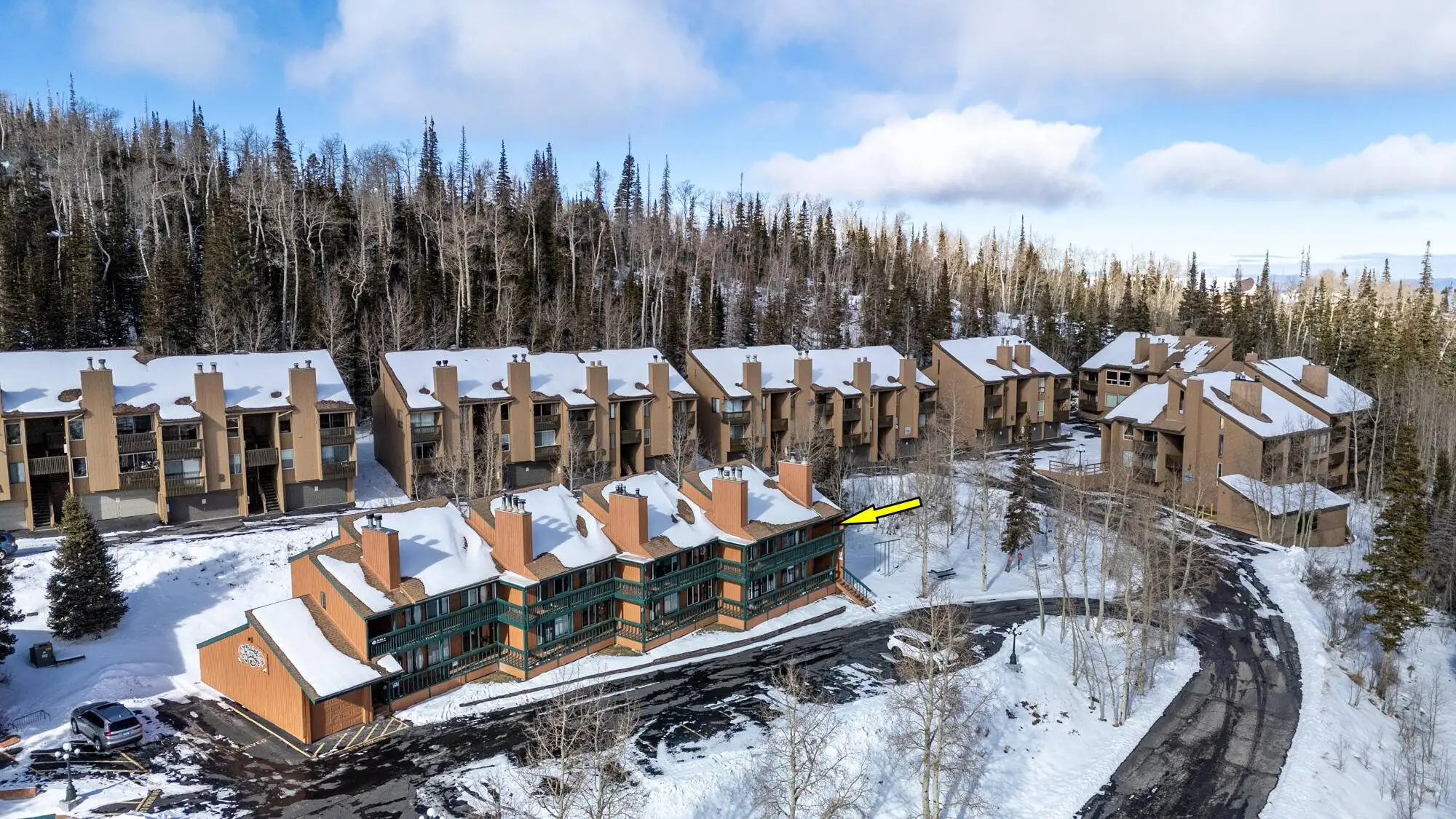
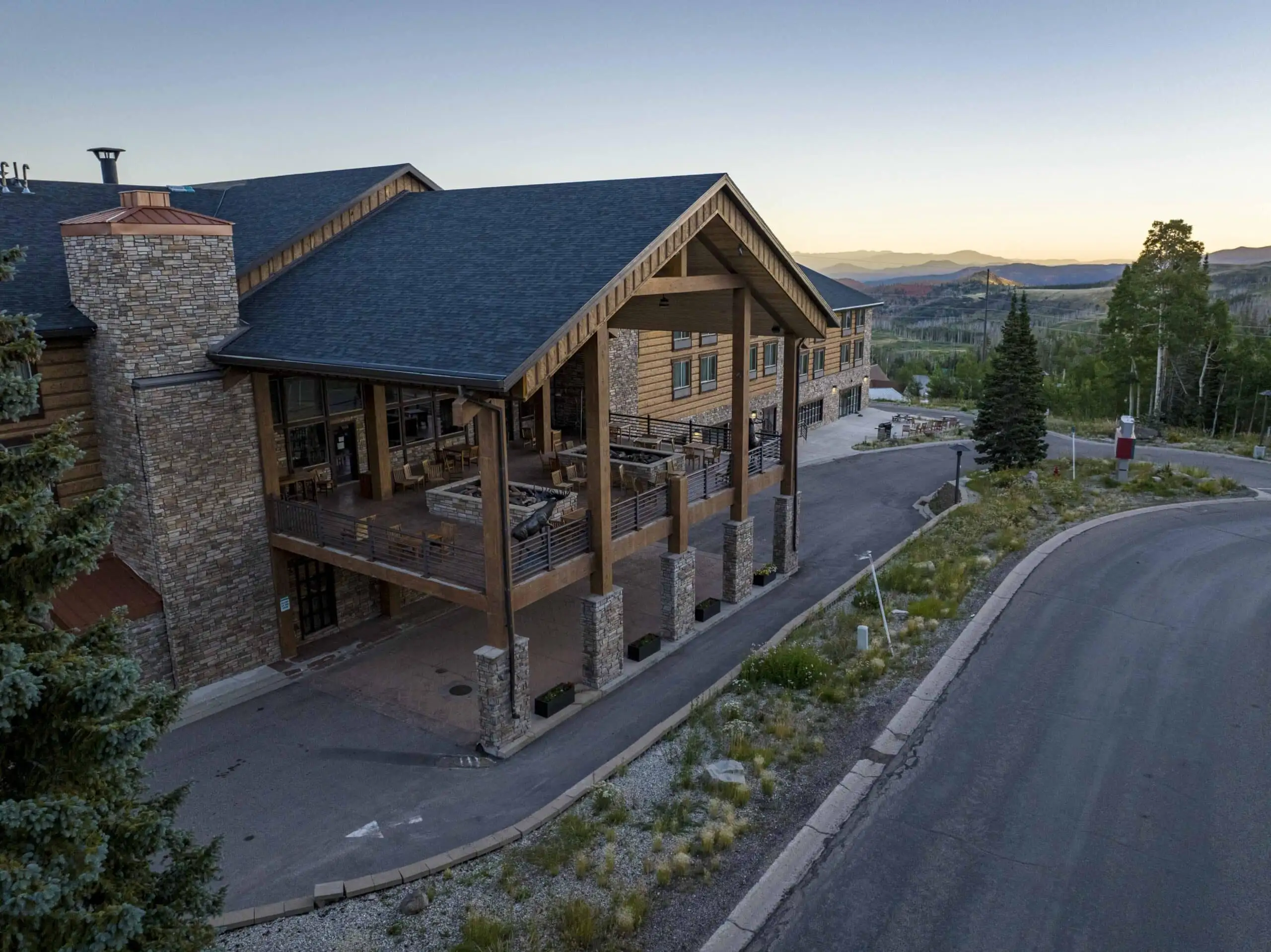
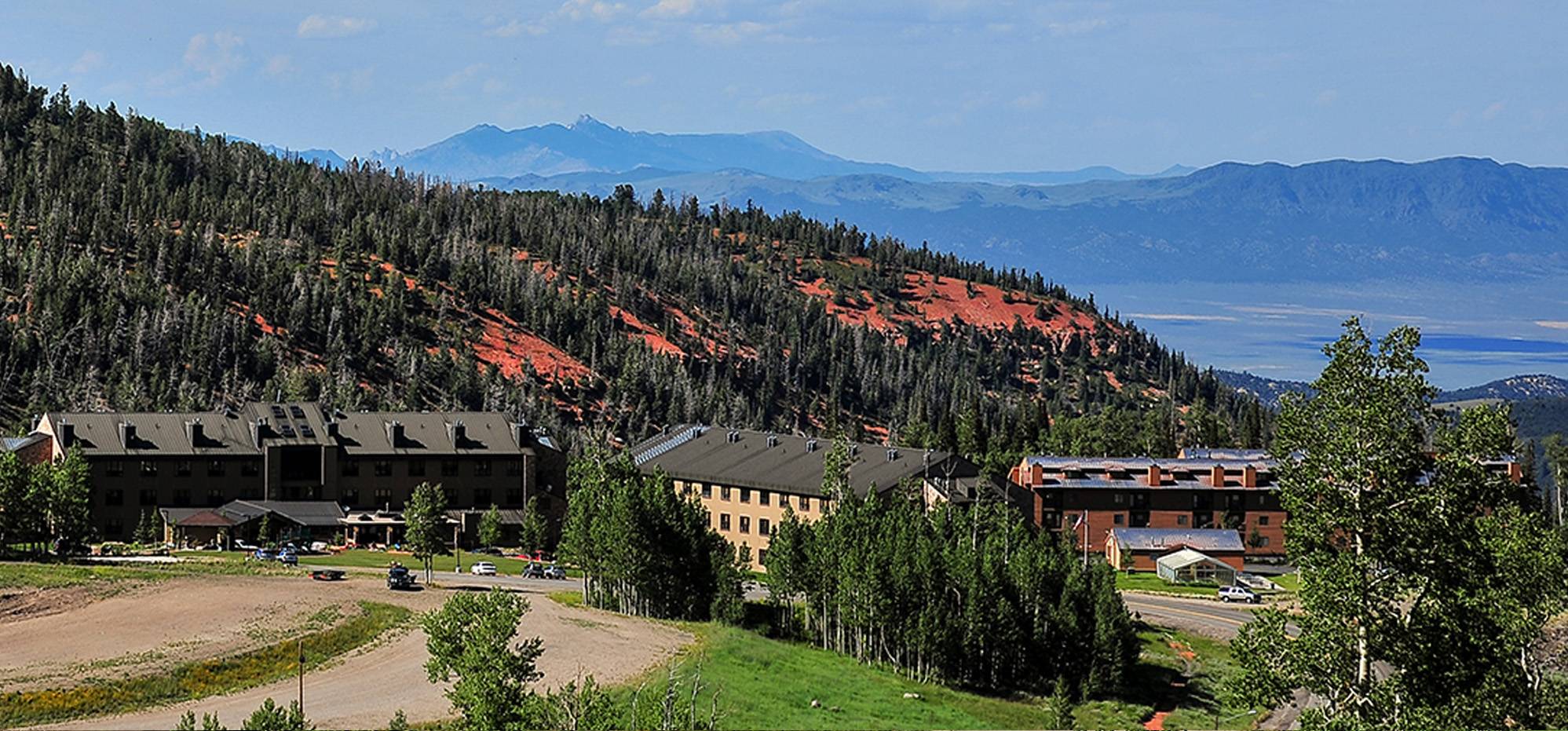
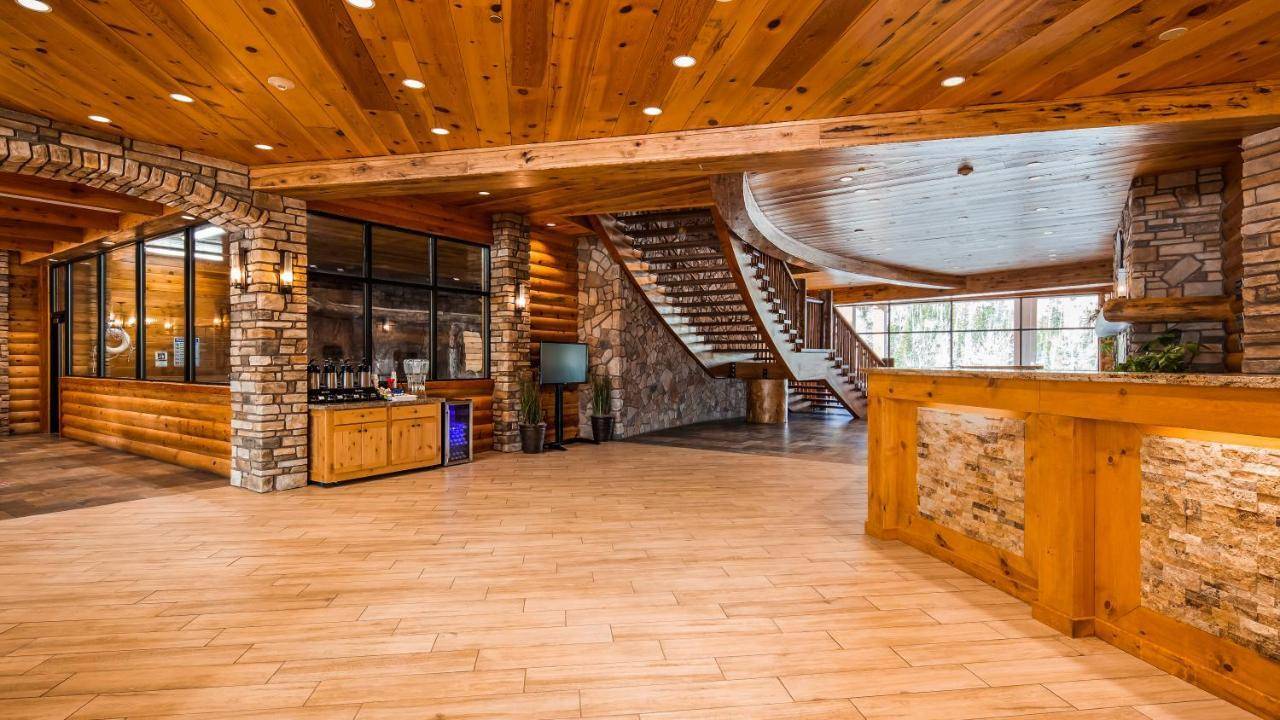
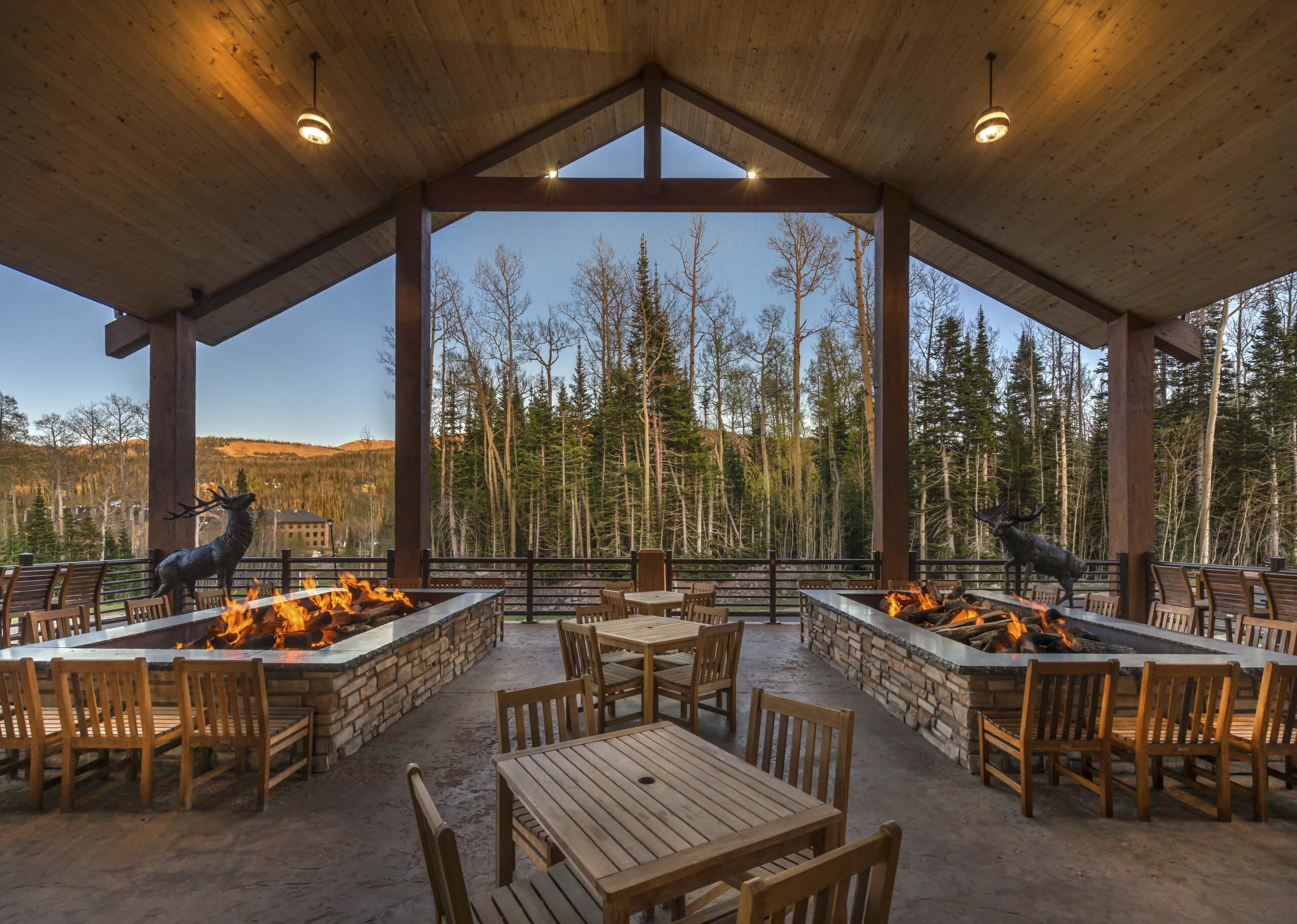
The small resort village offers ski-in/ski-out condos near Giant Steps, lodge-style properties with hot tub and pool access, and cozy cabins with wood stoves for those winter evenings at 9,600 feet. The local charm here is real—don’t expect nightclubs, do expect quiet evenings and easy access to first tracks.
Cedar City and Parowan
Budget hotel chains are available if you don’t need to sleep at elevation. These towns make sense for late-night arrivals from Las Vegas (3 hours) or Salt Lake City (4+ hours). Cedar City also serves as a base for those flying into Cedar City Regional Airport.
Springdale (Zion Entrance)
Hotels sit within 0.2–1 mile of the park entrance, many with pools and spas. Glamping options like Under Canvas offer dark skies and red rock immersion outside the main canyon. Vacation rentals work well for families planning 3+ nights who want kitchen access and more space.
Lodging Comparison
| Factor | Brian Head | Springdale |
|---|---|---|
| Walk to activity | Yes (lifts) | Yes (park shuttles) |
| Dining options | Limited | Moderate variety |
| Atmosphere | Quiet, cozy | Lively, tourist-focused |
| Prices | Lower except holidays | Higher spring/fall |
| Altitude | 9,600 ft | 3,900 ft |
| Air quality | Thin, dry | Desert comfortable |
| Brian Head Pros: |
- Walk to lifts
- Quiet evenings
- More affordable outside major holidays
Brian Head Cons:
- Thinner air
- Limited restaurants
- Requires adjustment
Springdale Pros:
- Walk or shuttle into Zion
- More dining and coffee options
- Lively atmosphere
Springdale Cons:
- Higher prices in peak seasons
- Parking challenges
- Books up fast
Book Now: Brian Head lodging deals | Book Now: Zion/Springdale stays
Best Time to Go: Seasons for the Brian Head–Zion Combo
The “snow and sandals” combination works best during specific windows when Brian Head holds skiable snow while Zion offers pleasant hiking temperatures.
Prime Combo Season: Late February to Mid-April
- High probability of quality snow at Brian Head’s elevation
- Zion Canyon temperatures typically 50–70°F
- Wildflower blooms begin in Zion (peak April–May)
- Spring break crowds—book early
Shoulder Season: October
- Excellent hiking conditions in Zion
- Fall color at higher elevations around Cedar Breaks and Duck Creek
- Brian Head may not have snow yet
- Focus shifts to mountain biking and scenic drives
Winter (December–February)
- Deep snow at Brian Head, reliable skiing
- Zion can be cold with icy trail sections
- Far fewer crowds in both locations
- Pack microspikes for Zion trails
Early Spring (March–April)
- Prime window for the combo trip
- Variable weather—pack for both snow and sun
- Brian Head often skiable through April
- Zion shuttle season begins
Summer (June–August)
- Brian Head becomes a cool mountain escape
- Focus shifts to mountain biking, hiking, and Cedar Breaks exploration
- Zion is extremely hot (90–100°F+) and crowded
- Consider the Grand Canyon or North Rim for cooler alternatives
Fall (September–November)
- Stunning foliage at high elevations
- Excellent Zion hiking with cooler temps
- Snow at Brian Head may start late fall
- Fewer crowds than spring
Packing Strategy
- Layering system: base layer, insulating mid-layer, waterproof shell
- Microspikes for icy Zion trails in winter or early spring
- Sunscreen and lip balm (desert sun is intense year-round)
- Hydration system—both altitude and desert demand extra water
Practical Tips for Families and First-Time Visitors
Mixing high-altitude snow activities with desert hiking in short succession requires some logistical awareness. Here’s what to know:
Altitude Adjustment
- Brian Head sits at nearly 10,000 feet
- Arrive hydrated and avoid heavy alcohol the first night
- Ski easier terrain day one while your body adapts
- Kids may feel effects more quickly—watch for headaches
Shuttle and Parking at Zion
- Zion Canyon shuttle operates most of the main season
- Private vehicles restricted on the scenic drive March through November
- Park-and-ride options available in Springdale
- Arrive early (before 8 AM) to beat crowds
Passes and Fees
- Zion park entrance fee: $35 per vehicle (valid 7 days)
- Consider the America the Beautiful annual pass ($80) if visiting other national parks like Bryce Canyon National Park or Grand Canyon
- Angels Landing requires a permit (lottery-based, apply 3 months ahead)
Safety Considerations
- Check avalanche forecasts if venturing beyond resort boundaries
- Monitor flash flood warnings for slot canyons near Zion
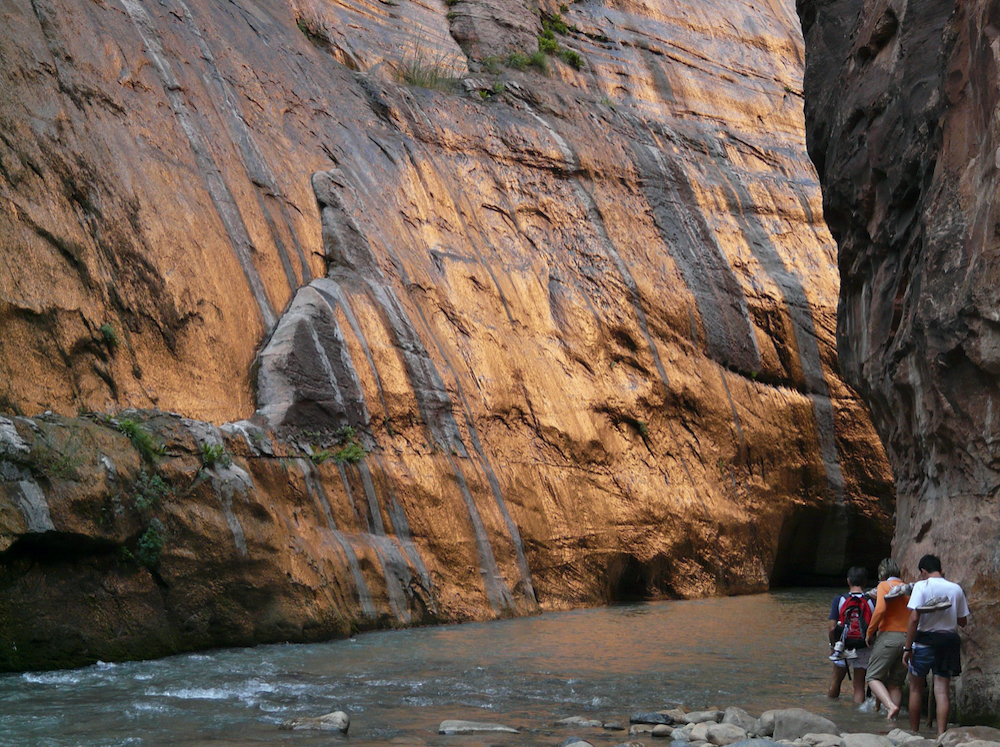
- The Narrows requires checking Virgin River flow levels
- Weather changes quickly in both environments
Crowd Strategies
- Start Zion hikes early, especially popular routes like Angels Landing or Scouts Lookout
- Weekdays are dramatically less crowded than weekends
- Observation Point via East Mesa trail avoids main canyon crowds
- Consider late afternoon hikes when day-trippers leave
Budget Considerations
Pros:
- Relatively short driving distance saves fuel costs
- Can base in one location for multiple nights
- Many scenic activities are free (viewpoints, easy trails)
- Family fun without expensive add-ons is entirely possible
Cons:
- National park entry fees add up for multiple parks
- Resort holiday surcharges at Brian Head
- Equipment rentals needed if you don’t own ski gear
- Springdale dining is pricier than nearby Hurricane or La Verkin
For peace of mind, consider travel insurance that covers weather-related changes and book activities in advance to lock in prices.
Key Takeaways
- Brian Head to Zion is a 75-mile, 1.5-hour drive that connects snow-capped peaks with red rock desert
- Late February through mid-April offers the best window for skiing and hiking in the same trip
- Plan 2–4 days to experience both destinations without rushing
- Book lodging early—especially Springdale accommodations for spring and fall dates
- The route passes through Cedar City, making it convenient for supplies and airport connections
- Add-on adventures like canyoneering, mountain biking, and paddleboarding extend the experience
- Altitude awareness at Brian Head and crowd management at Zion are your two biggest practical considerations
The head to Zion trip from Brian Head represents one of the most dramatic landscape transitions available in southwestern Utah—or anywhere. You’ll swap fresh air and powder for the warm embrace of ancient red rocks in under two hours.
Lock in your dates now. Book your Brian Head lodging, reserve your Zion accommodations, and secure a rental car for this adventure that crosses seasons, elevations, and ecosystems in a single unforgettable trip.
This hidden gem of a route deserves a spot on every Utah road trip list. The stunning views, beautiful landscapes, and sheer variety of experiences make it a perfect place for families, couples, and solo adventurers ready to explore what southern Utah does best.