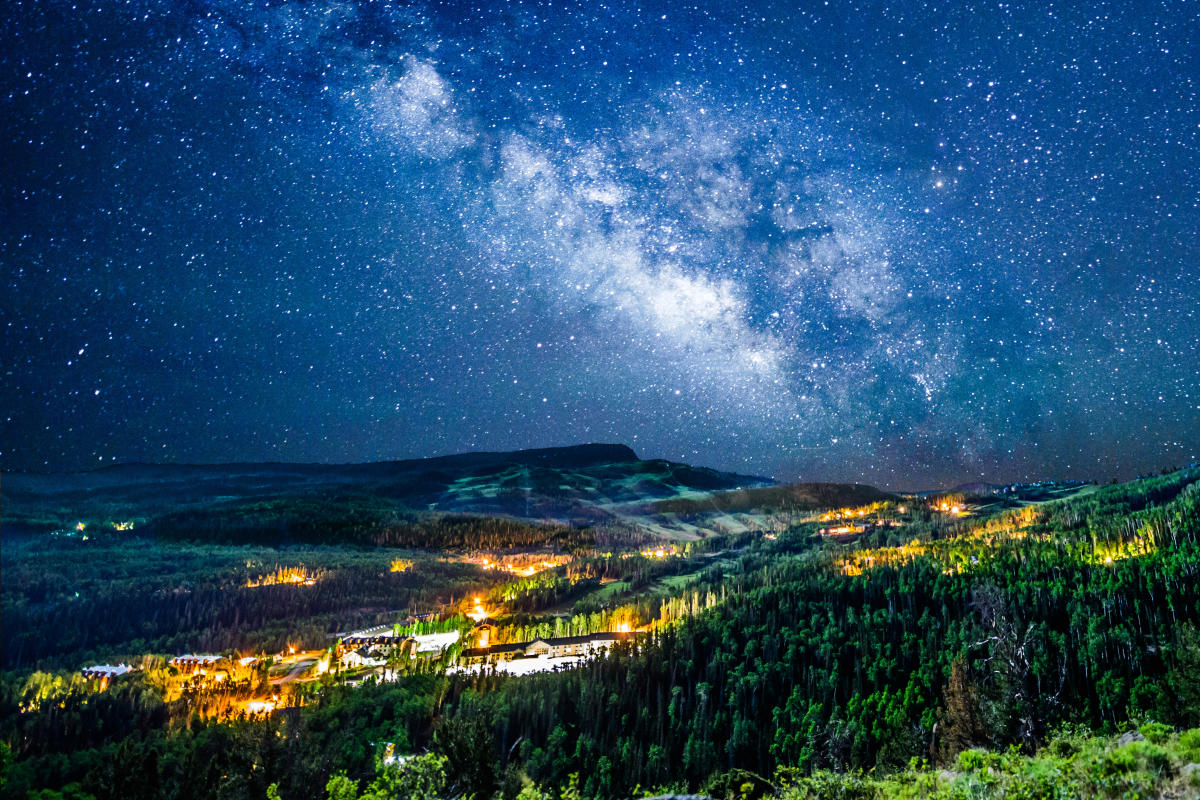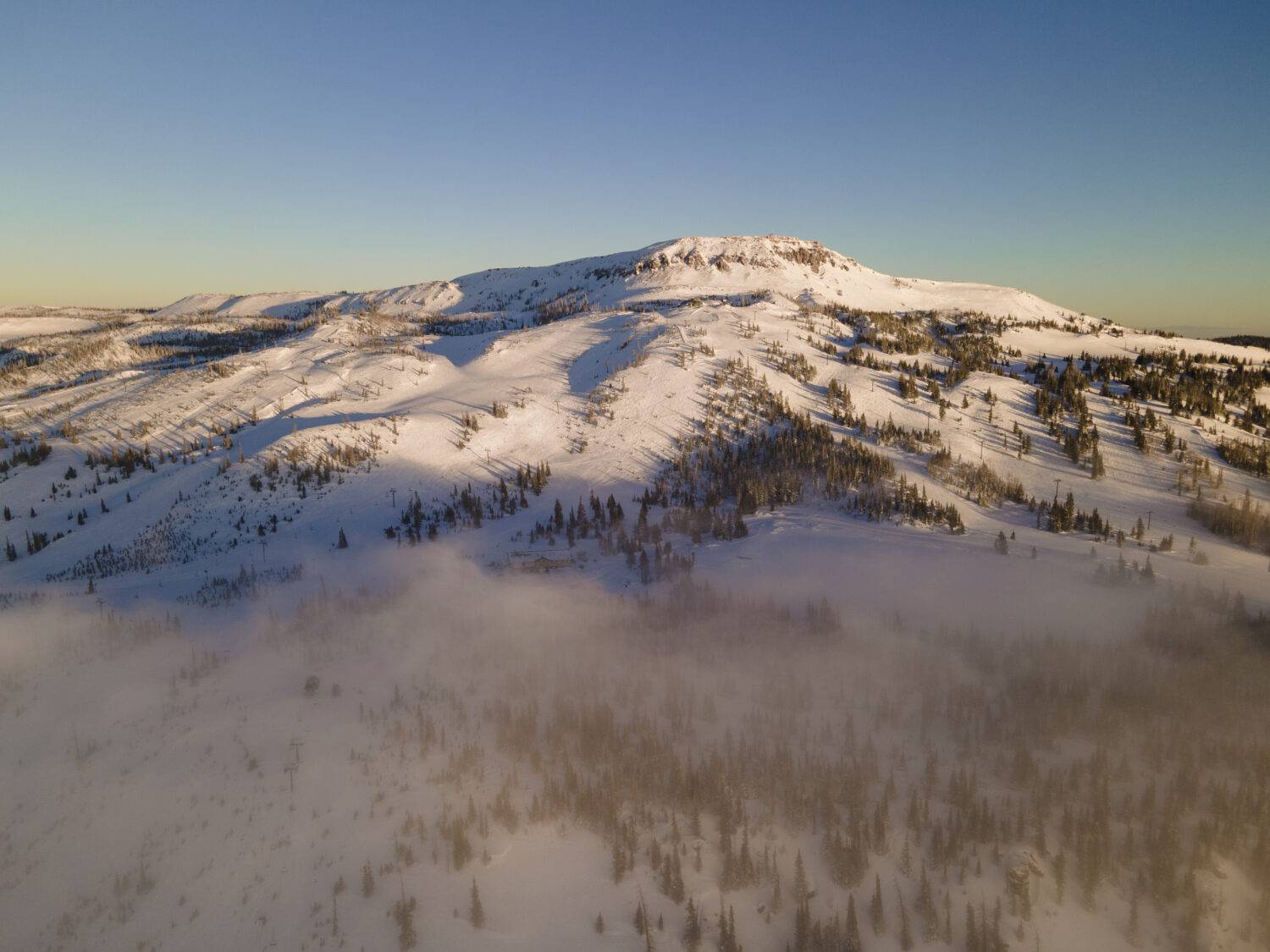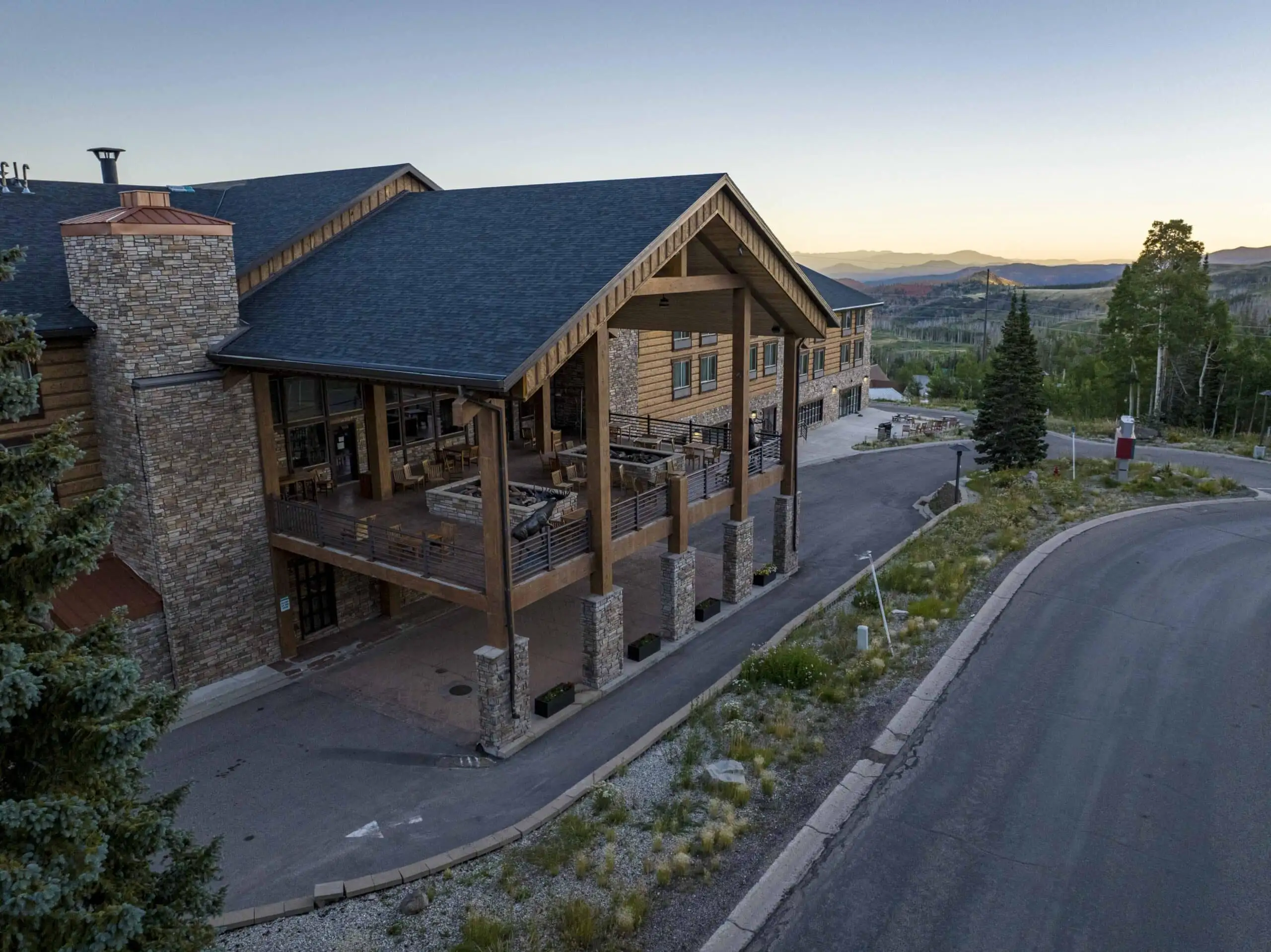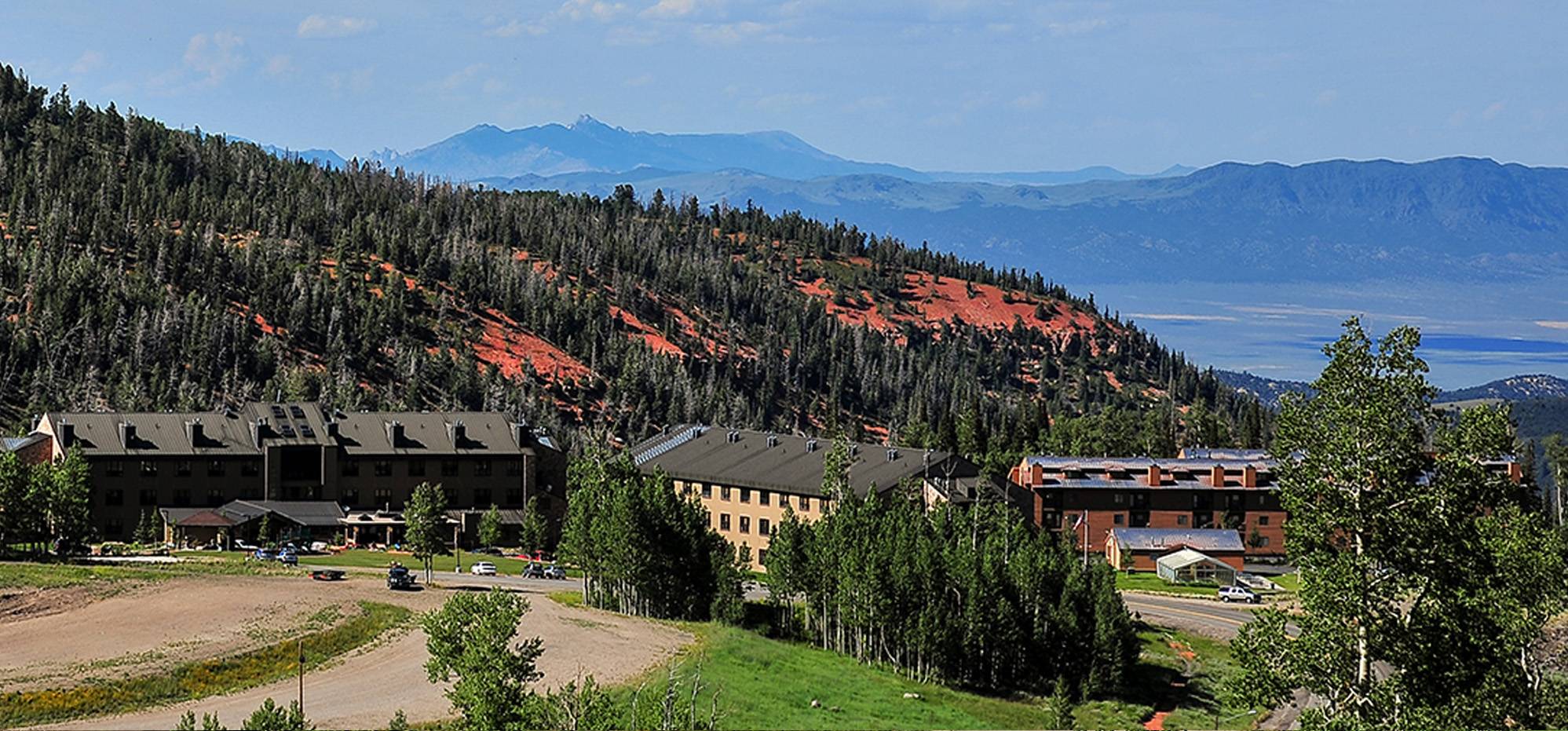

At 9,800 feet above sea level, Brian Head stands as Utah’s highest incorporated town, located in the state of Utah, and one of the state’s most reliable snow destinations.
This rustic mountain village in southern Utah transforms into a winter wonderland each year, drawing families and snow enthusiasts from across the southwestern United States.
Unlike the crowded slopes near downtown Salt Lake City, Brian Head offers an authentic mountain experience where visitors can discover diverse recreational opportunities without the premium price tag.
Located just hours from Las Vegas International Airport and positioned near iconic landmarks like Cedar Breaks National Monument and Bryce Canyon National Park, Brian Head provides the perfect base for exploring Utah’s winter magic.
Las Vegas International Airport is only 3 hours from Brian Head, making it a convenient option for travelers. Additionally, Brian Head is only 4 hours away from downtown Salt Lake City, offering another accessible route for visitors.
Whether you’re planning your first family ski trip or seeking powder adventures off the beaten path, this comprehensive guide will help you navigate everything Brian Head Utah snow has to offer.
Introduction to Brian Head Town
Located high up in southern Utah’s mountains, Brian Head Town is a mountain village that’s perfect for adventure and relaxation. This town sits at 9,800 feet elevation — that’s the highest resort town in America!
The peaks around here reach up to 11,300 feet, which means you get amazing views and a real alpine experience all year long.
Brian Head’s temperature in the summer averages in the high 60s or low 70s, making it a cool escape from the desert heat. You’re just minutes away from Cedar Breaks National Monument and surrounded by Dixie National Forest, so there’s plenty to explore.
Brian Head Town is great for families and outdoor enthusiasts who want different activities no matter what season you visit.
Winter brings world-class snowboarding, ice skating under the stars, and easy access to Brian Head Resort. In the summer, Brian Head Resort becomes a haven for mountain bikers, festival-goers, musicians, foodies, and families looking for outdoor fun.
When summer comes around, you can enjoy hiking, mountain biking, and scenic trails with ancient cedar trees everywhere.
The Adventure Zone at Brian Head Resort also features activities like a zipline, bungee trampoline, and summer tubing, making it a perfect destination for thrill-seekers. Brian Head Town has that welcoming small-town feel with incredible mountain views all around.
Whether you’re planning to hit the slopes, go ice skating, or just enjoy the scenery, this place offers adventure, relaxation, and genuine mountain charm.
That’s why so many people keep coming back year after year — they love the elevation, the beauty, and the community spirit that makes this southern Utah spot so special.
Brian Head Snow Overview
Brian Head receives an impressive 355.9 inches of snow annually, making it one of Utah’s snowiest destinations and a standout performer in the southwestern United States. However, it generally receives less snowfall than resorts in the northern part of Utah, such as those in Little Cottonwood Canyon.
Historical snowfall data shows Brian Head has recorded as little as 154 inches and as much as 356 inches. On average, the town receives 218 inches of snow each year, solidifying its reputation as a prime location for winter sports.
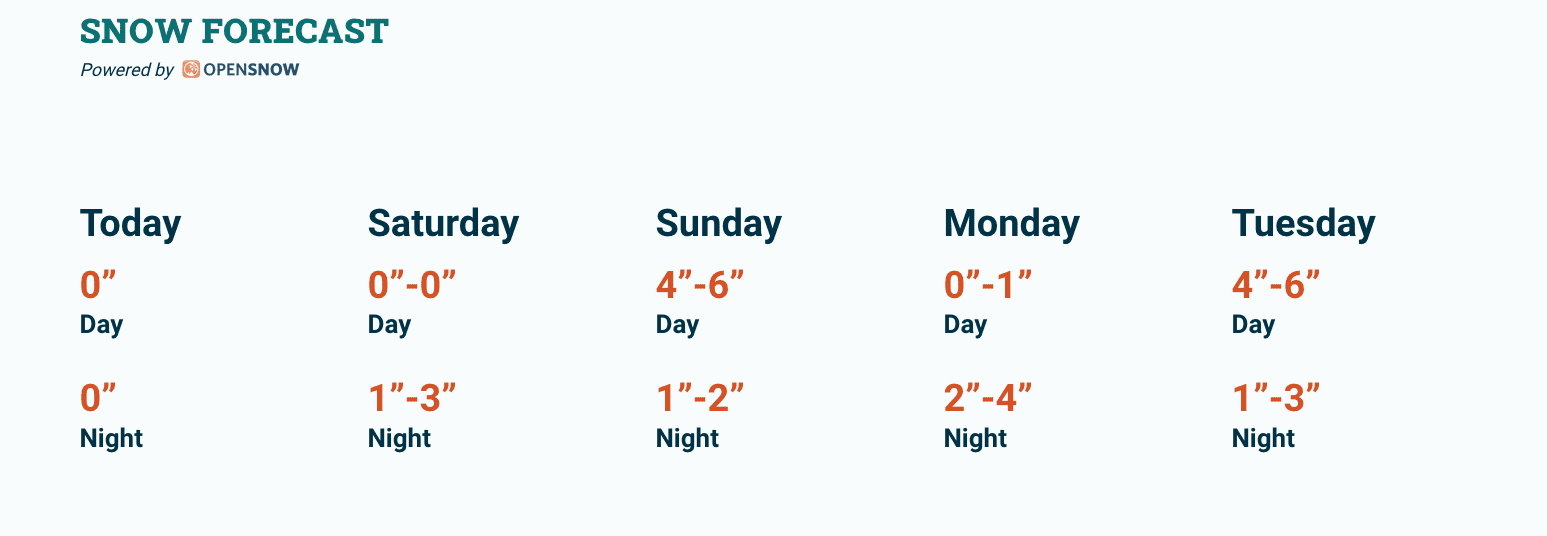
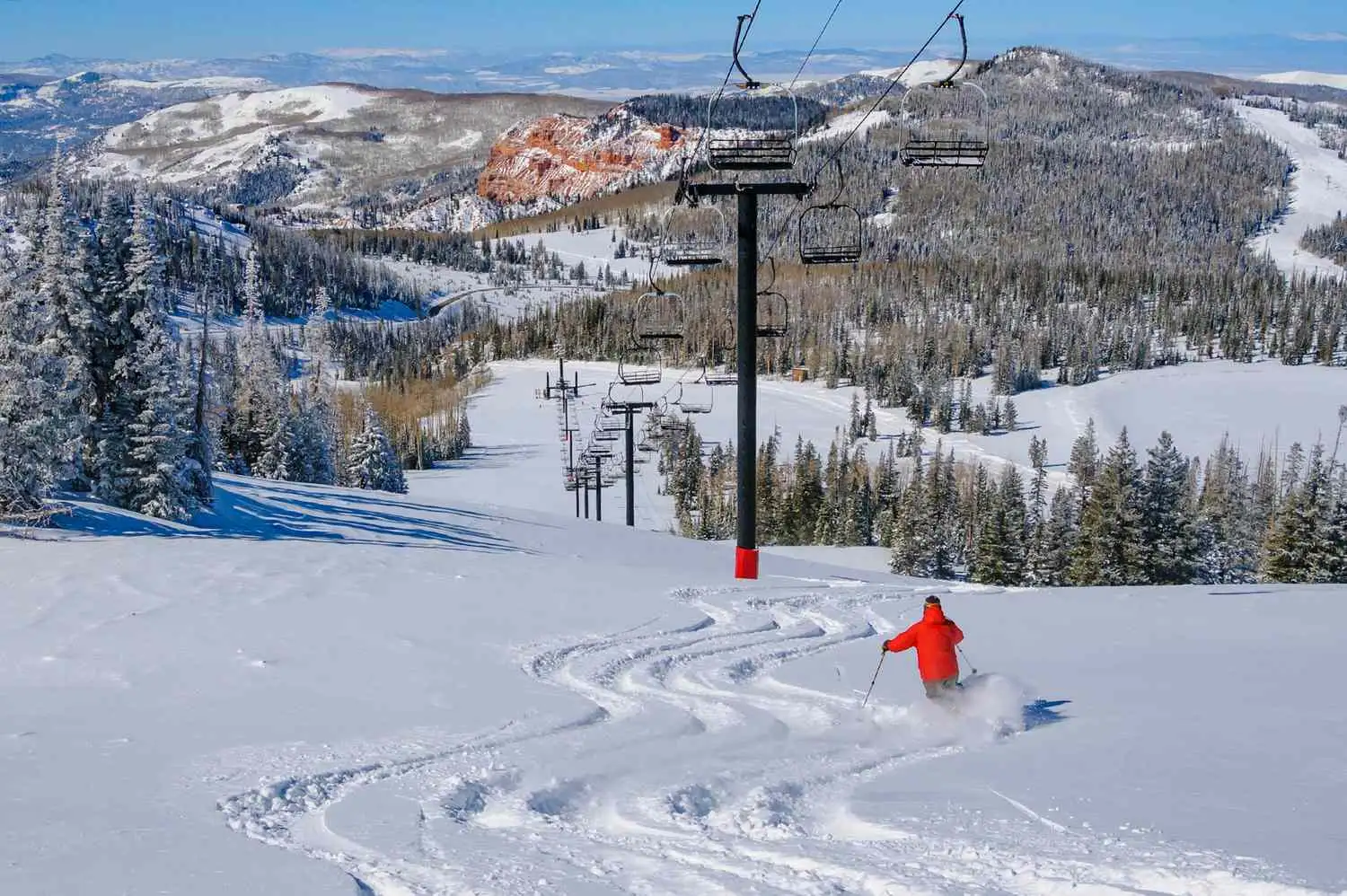
This substantial snowfall, combined with the town’s record-breaking elevation of 9,800 feet, creates ideal conditions for winter sports enthusiasts seeking reliable powder throughout the season.
Additionally, Brian Head is home to some of the snowiest conditions in the United States, receiving over 5 feet more snow than Valdez, Alaska.
The town’s location in the Dixie National Forest provides natural wind protection and optimal snow preservation, while its position near Cedar Breaks ensures visitors experience some of the most scenic winter landscapes in America.
Brian Head’s location in Southern Utah’s Dixie National Forest allows it to receive reliable storms despite not being in the same “snow alley” as the Central Wasatch.
Unlike lower elevation resorts that struggle with inconsistent snow coverage, Brian Head’s elevation advantage means snow arrives early and stays late, typically running from November through April.
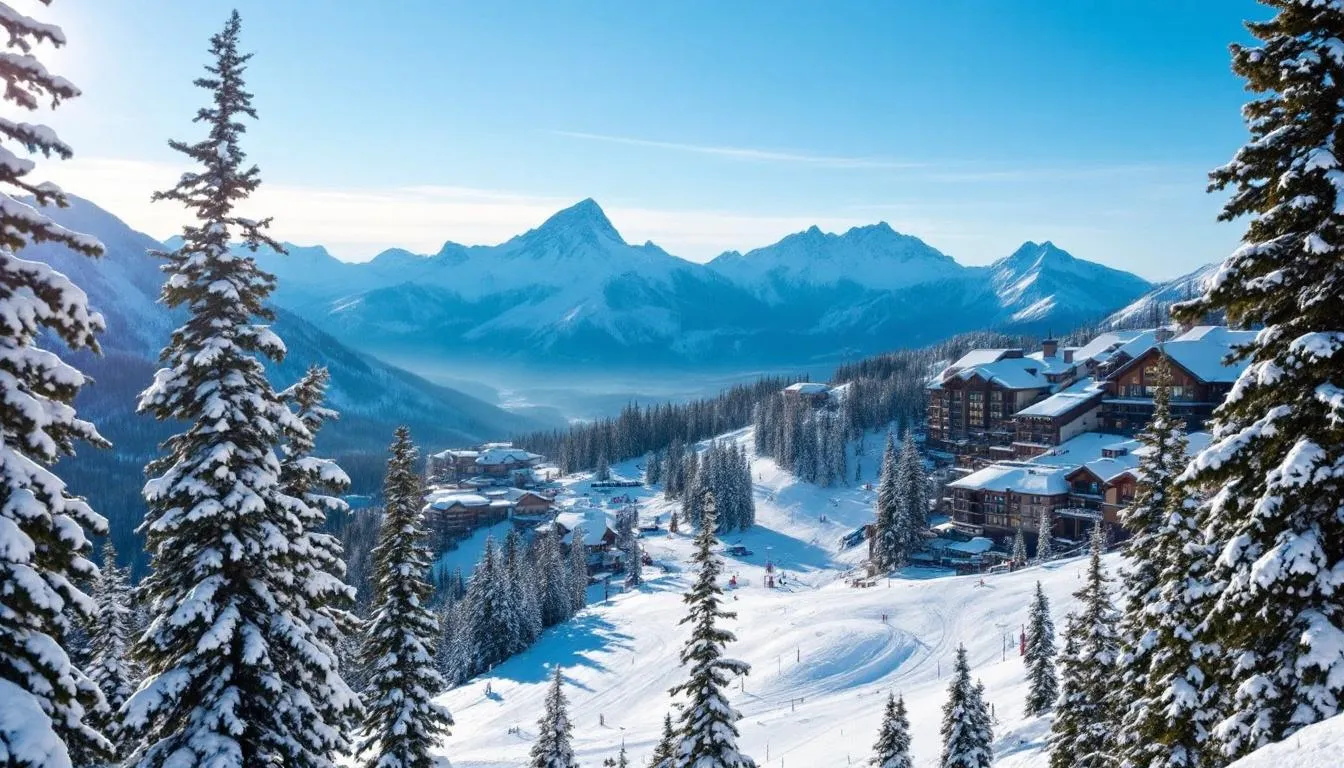
What sets Brian Head apart from other Utah destinations is its unique combination of abundant snowfall and family-friendly accessibility.
While northern Utah resorts may receive similar snow totals, Brian Head’s southern location makes it easily accessible for visitors driving from Las Vegas, Phoenix, and Southern California.
The drive from Cedar City takes just 30 minutes, making it possible to grab gear and hit the slopes the same day you arrive.
Snow Conditions and Climate
Brian Head’s alpine subarctic climate delivers consistent, high-quality snow throughout the winter months. The average annual snowfall of 355.9 inches compares favorably to many northern Utah ski areas, with the added benefit of Utah’s famous powder snow characteristics.
The high elevation and dry climate produce snow with typically 8-10% moisture content, creating the light, fluffy conditions that Utah is renowned for.
Monthly snowfall patterns show Brian Head building its base steadily through the winter:
| Month | Average Snowfall | Temperature Range |
|---|---|---|
| November | 18 inches | 15°F to 35°F |
| December | 45 inches | 10°F to 30°F |
| January | 52 inches | 5°F to 28°F |
| February | 48 inches | 8°F to 32°F |
| March | 42 inches | 15°F to 38°F |
| April | 28 inches | 20°F to 45°F |
The mountain experiences significant temperature variations throughout the day, with morning temperatures often dropping well below freezing while afternoon conditions can warm considerably in direct sunlight.
This daily temperature cycle helps preserve snow quality while creating comfortable conditions for families and beginners learning to ski or snowboard.
Winter temperatures in Brian Head often stay below freezing, with an average of 80.3 days each year not surpassing 32°F.
Peak powder conditions typically occur from December through March, when storm systems moving across the western United States deposit fresh snow on Brian Head’s slopes.
The resort’s 9,600-foot base elevation and 11,307-foot summit elevation ensure that precipitation falls as snow rather than rain, even during warmer winter weather patterns that affect lower elevation destinations.
Brian Head Resort Skiing and Snowboarding
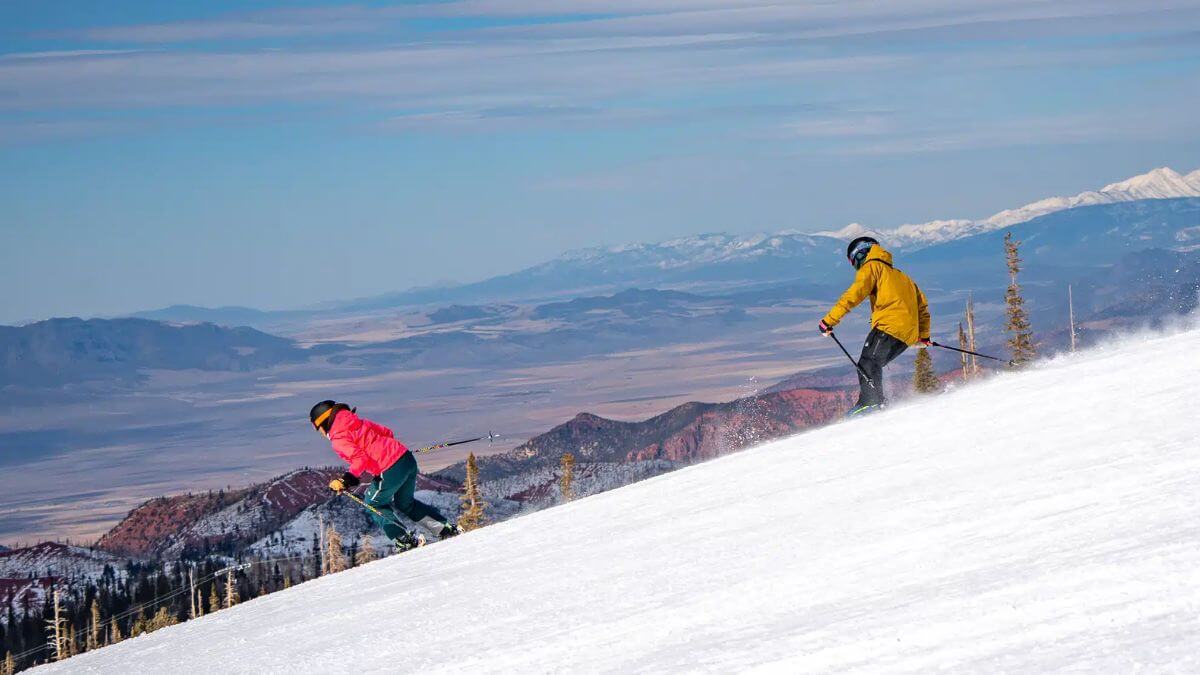
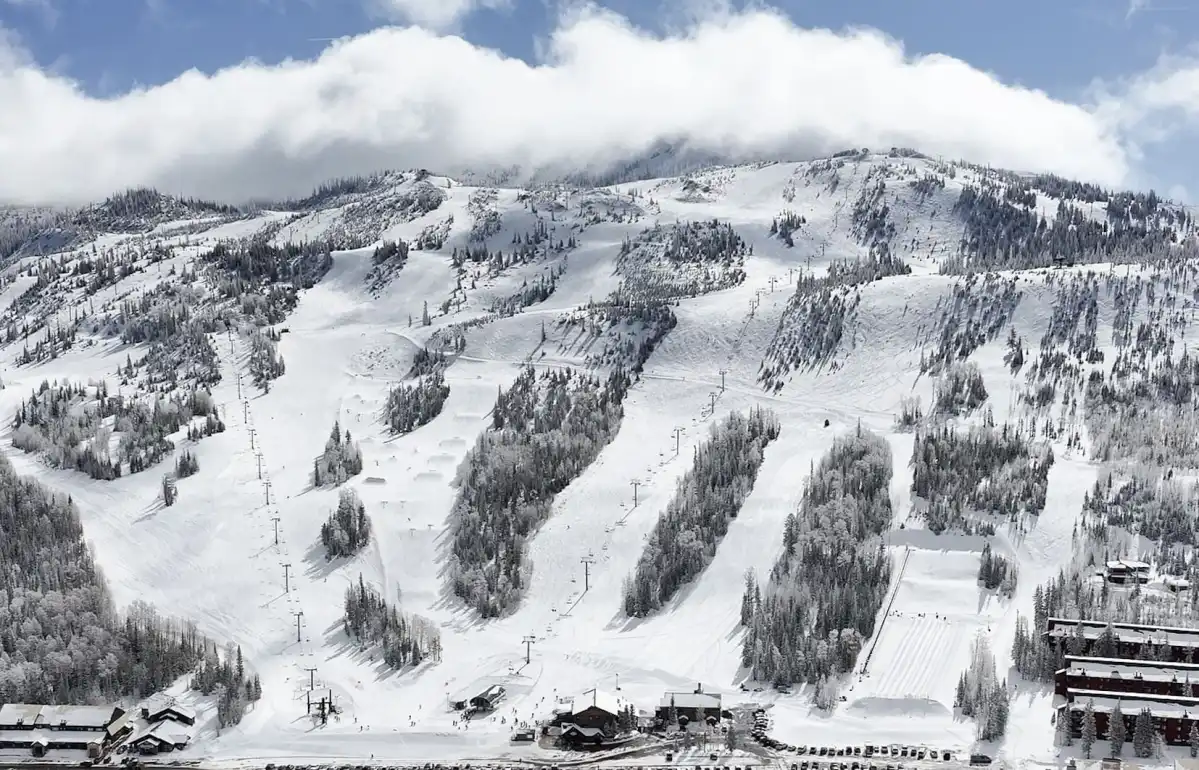
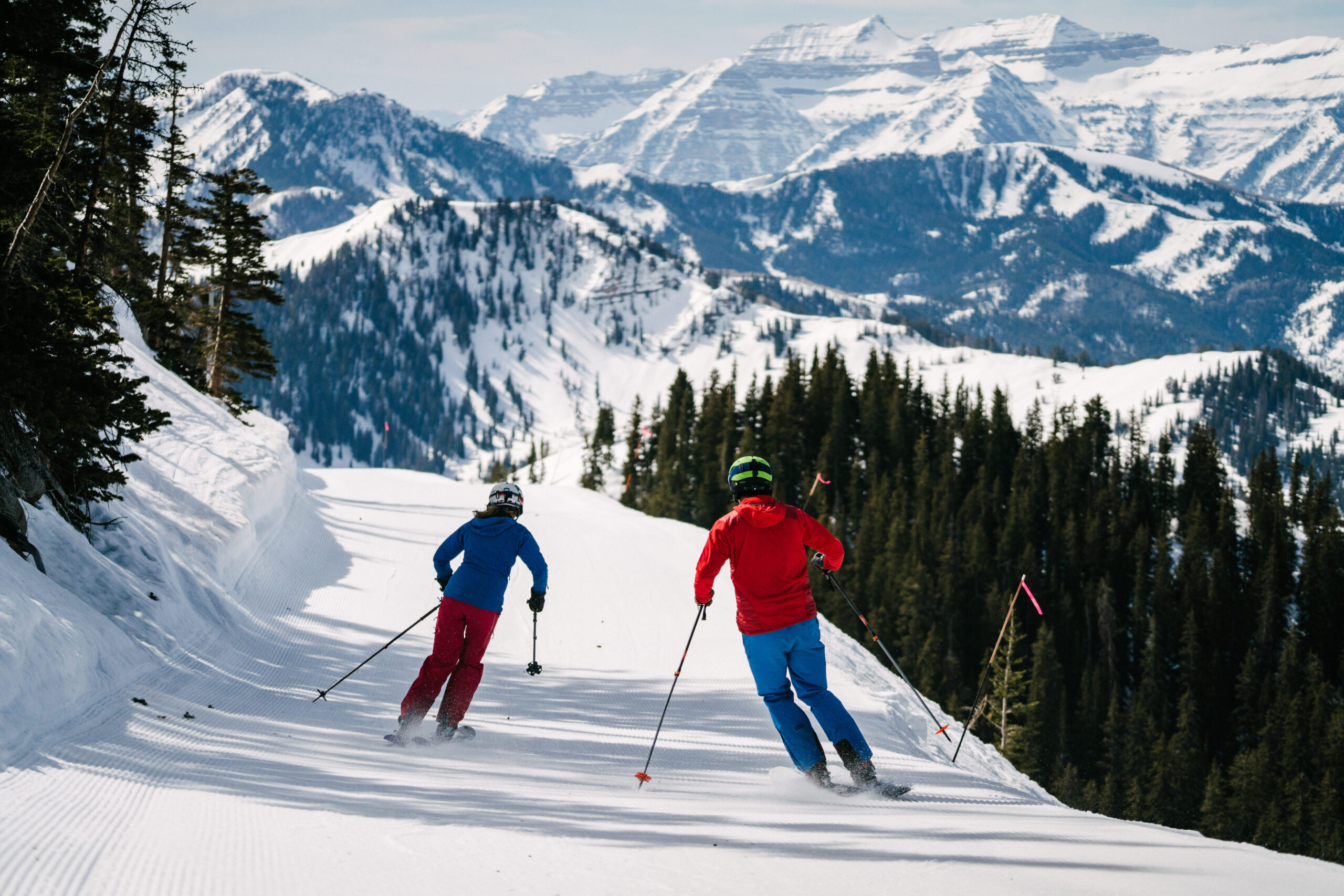
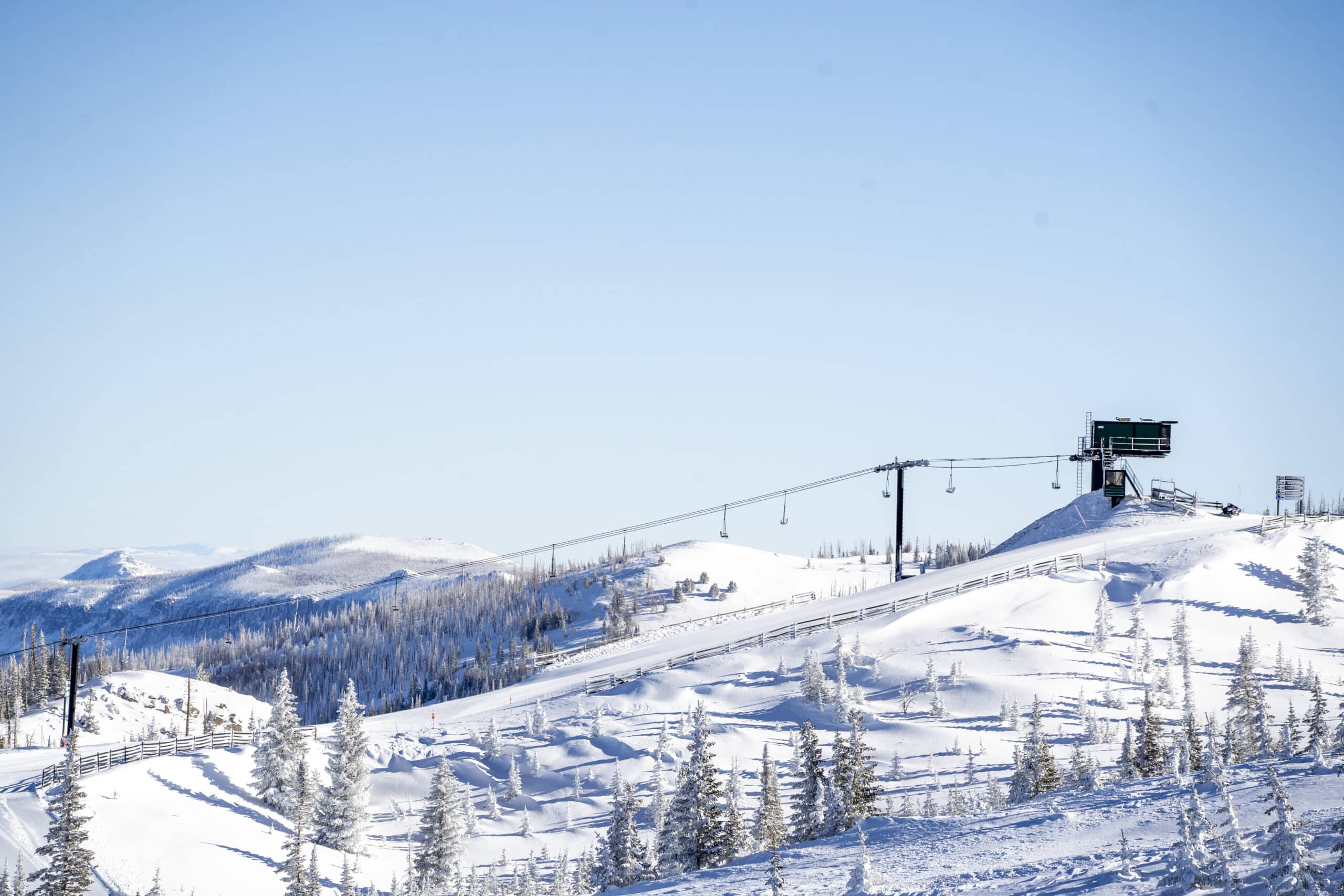
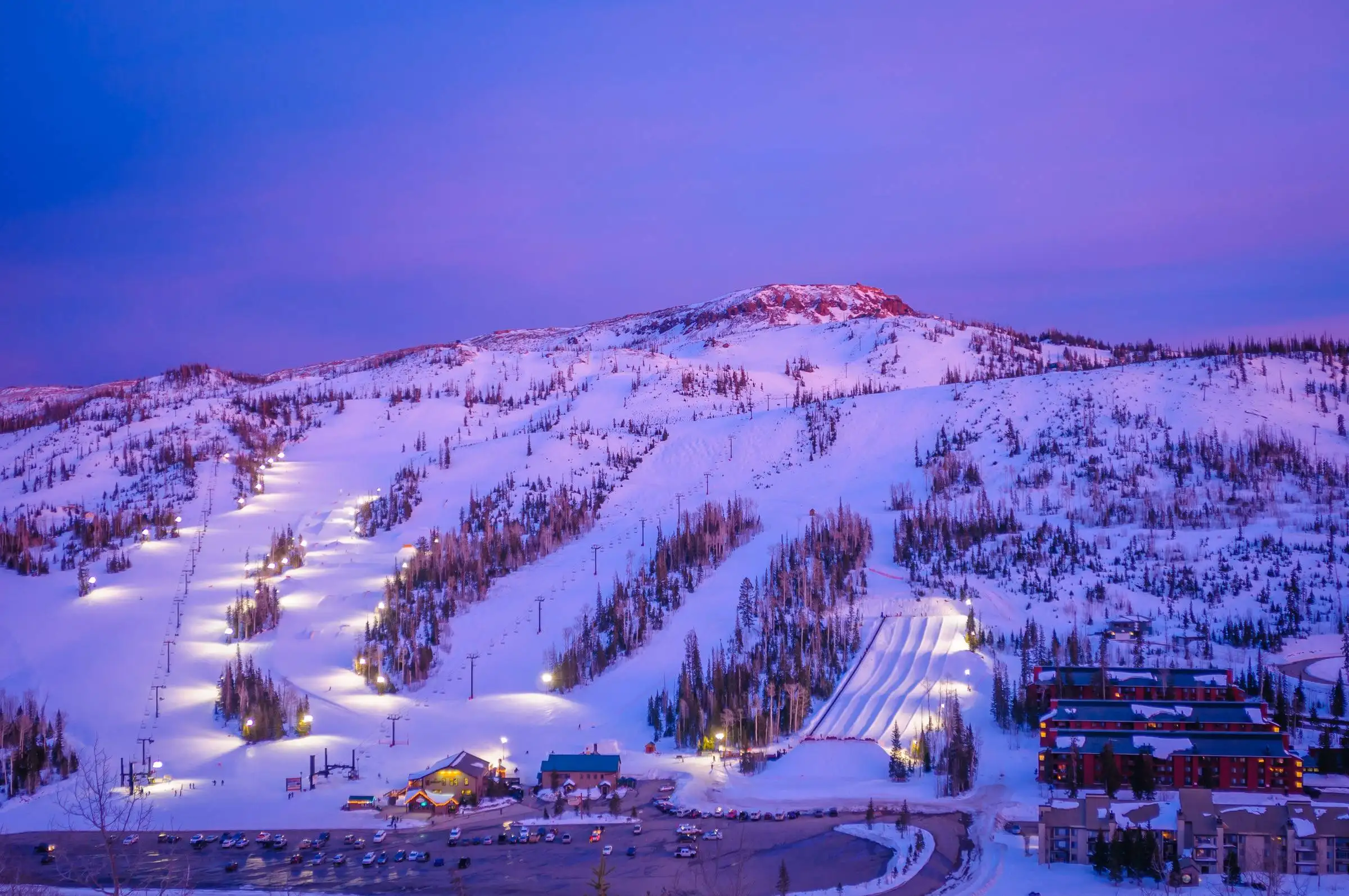
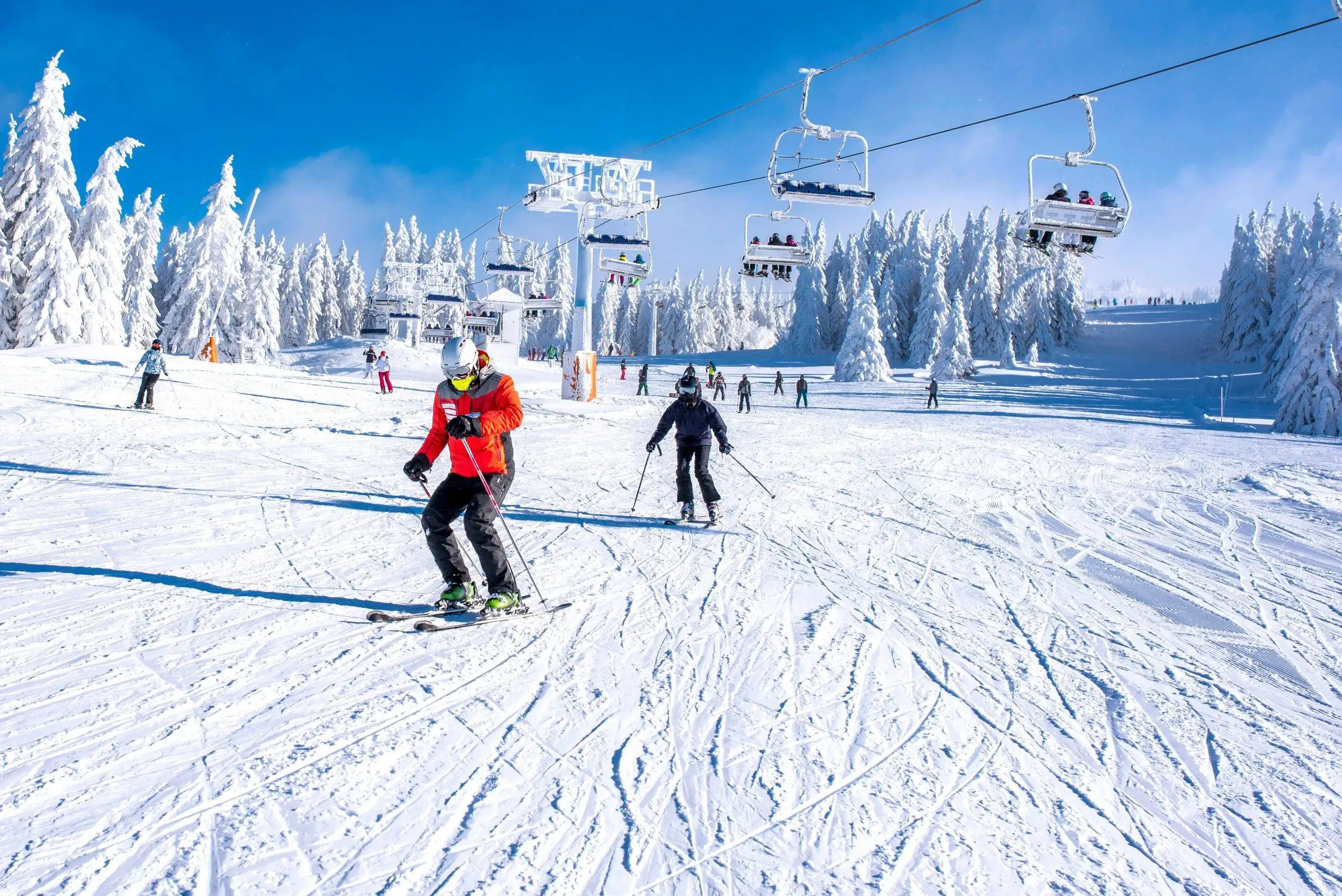
Brian Head Resort operates 71 ski runs across 660 acres of skiable terrain, offering a vertical drop of 1,707 feet from its summit at 11,307 feet. As Utah’s highest base elevation resort at 9,600 feet, Brian Head provides longer seasons and more reliable snow conditions than many competitors.
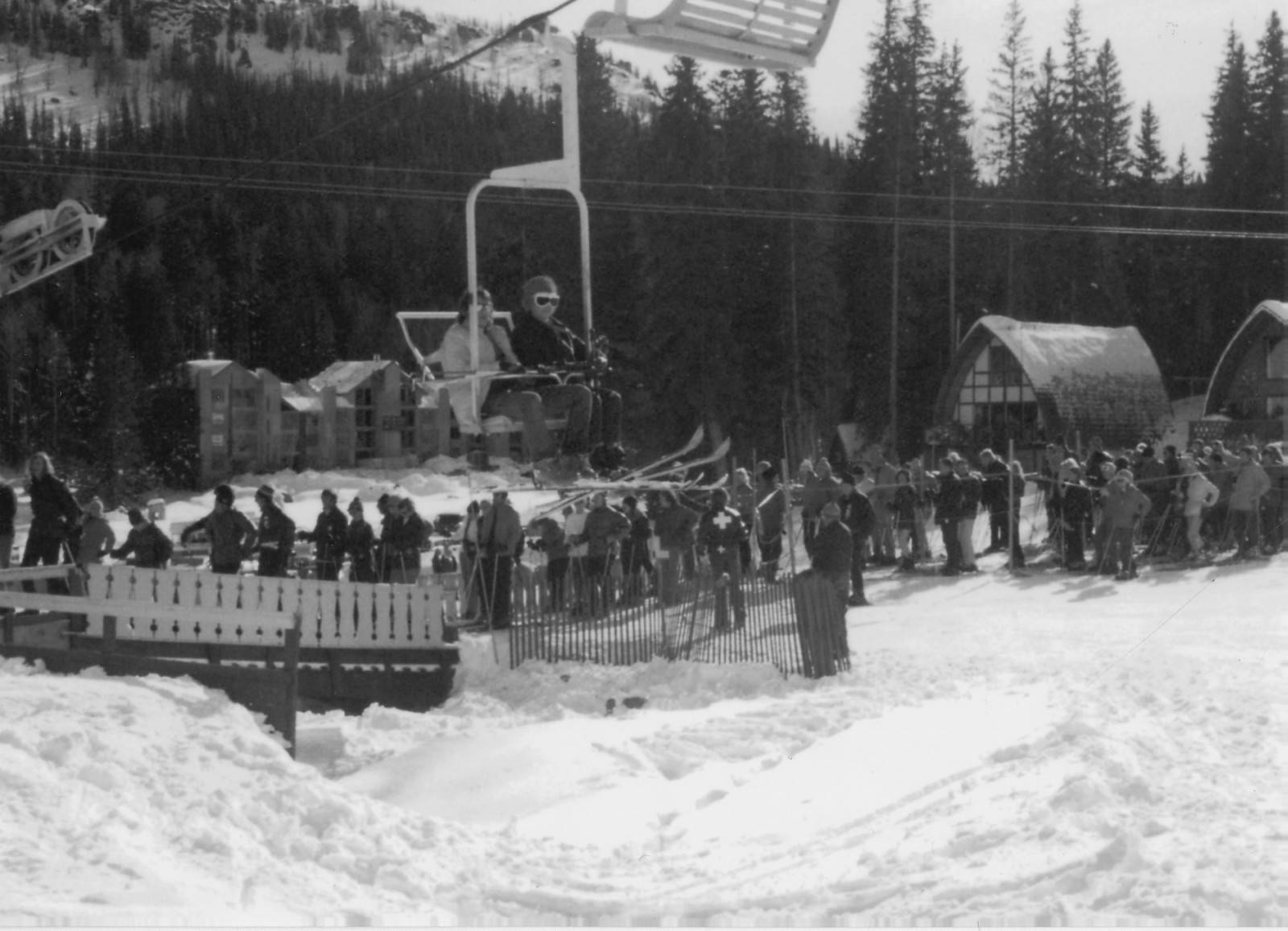
The resort’s eight lifts include two high-speed quads, making it easy for visitors to maximize their time on the mountain.
Brian Head Ski Resort features 71 ski runs with varied terrain for different skill levels. Lift tickets at Brian Head remain significantly more affordable than major Utah destinations like Park City or Deer Valley.
Daily lift tickets typically cost $60-80 during peak season, while multi-day packages and season passes offer additional value for families planning extended visits.
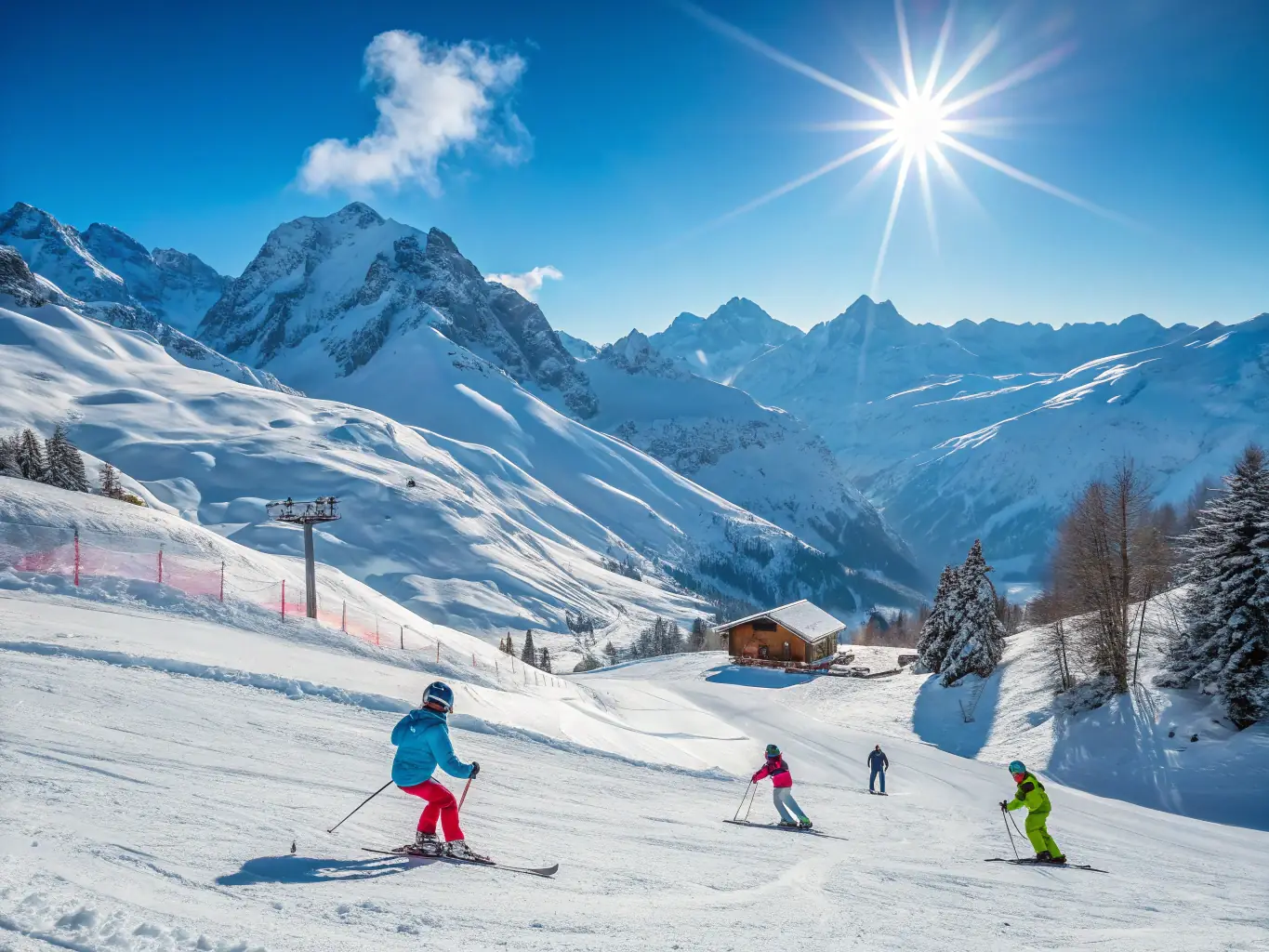
You can buy tickets online or in advance to secure the best prices and availability. The resort’s ski school provides instruction for all skill levels, with particular emphasis on creating a welcoming environment for children and first-time skiers.
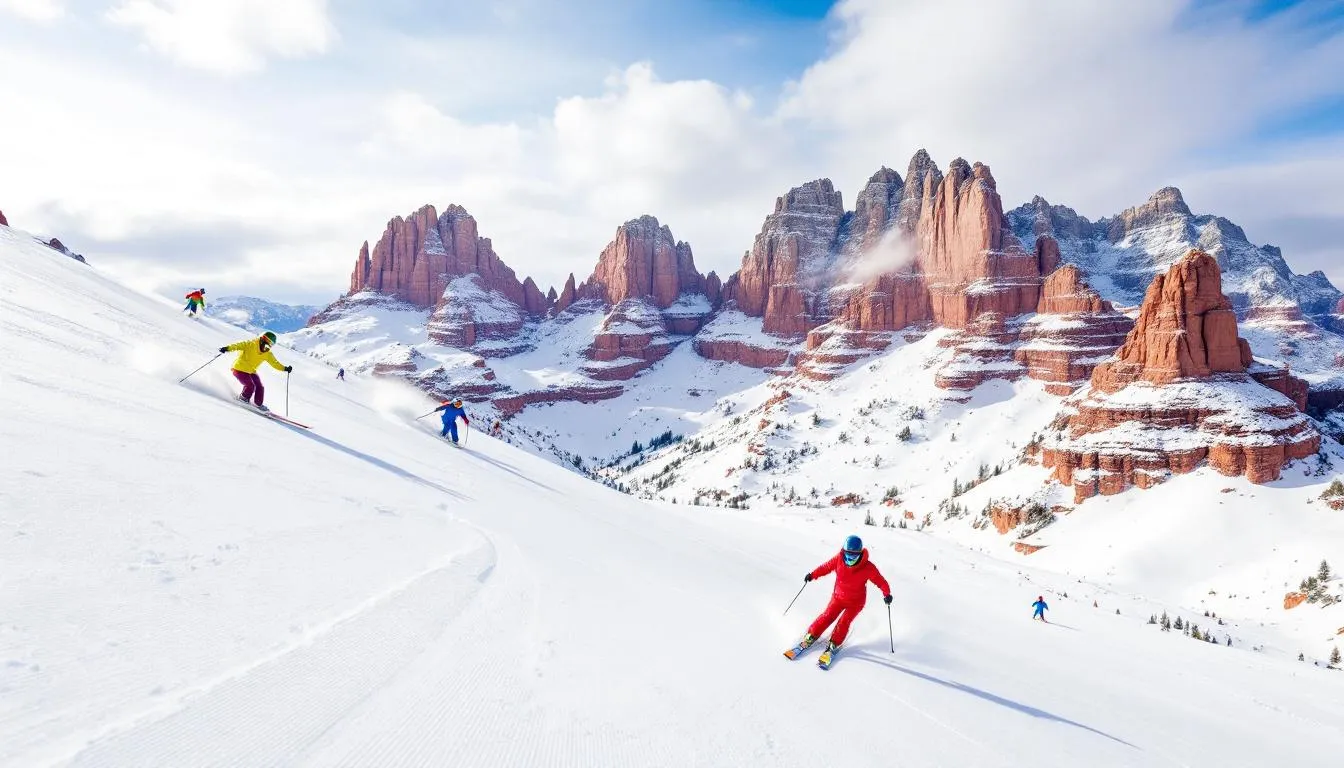
The terrain breakdown accommodates all skill levels:
- Beginner (30%): Gentle slopes with wide runs perfect for learning
- Intermediate (40%): Varied terrain with longer runs and moderate steepness
- Advanced (30%): Challenging runs with steeper pitches and tree skiing options
Brian Head’s unique location allows skiers to enjoy mountain views that include glimpses of Cedar Breaks National Monument’s distinctive red rock formations, creating a visual experience unlike any other ski destination in America.
The resort typically opens in mid-November and operates through mid-April, giving visitors one of the longest seasons in southern Utah.
Snow Sports and Winter Activities
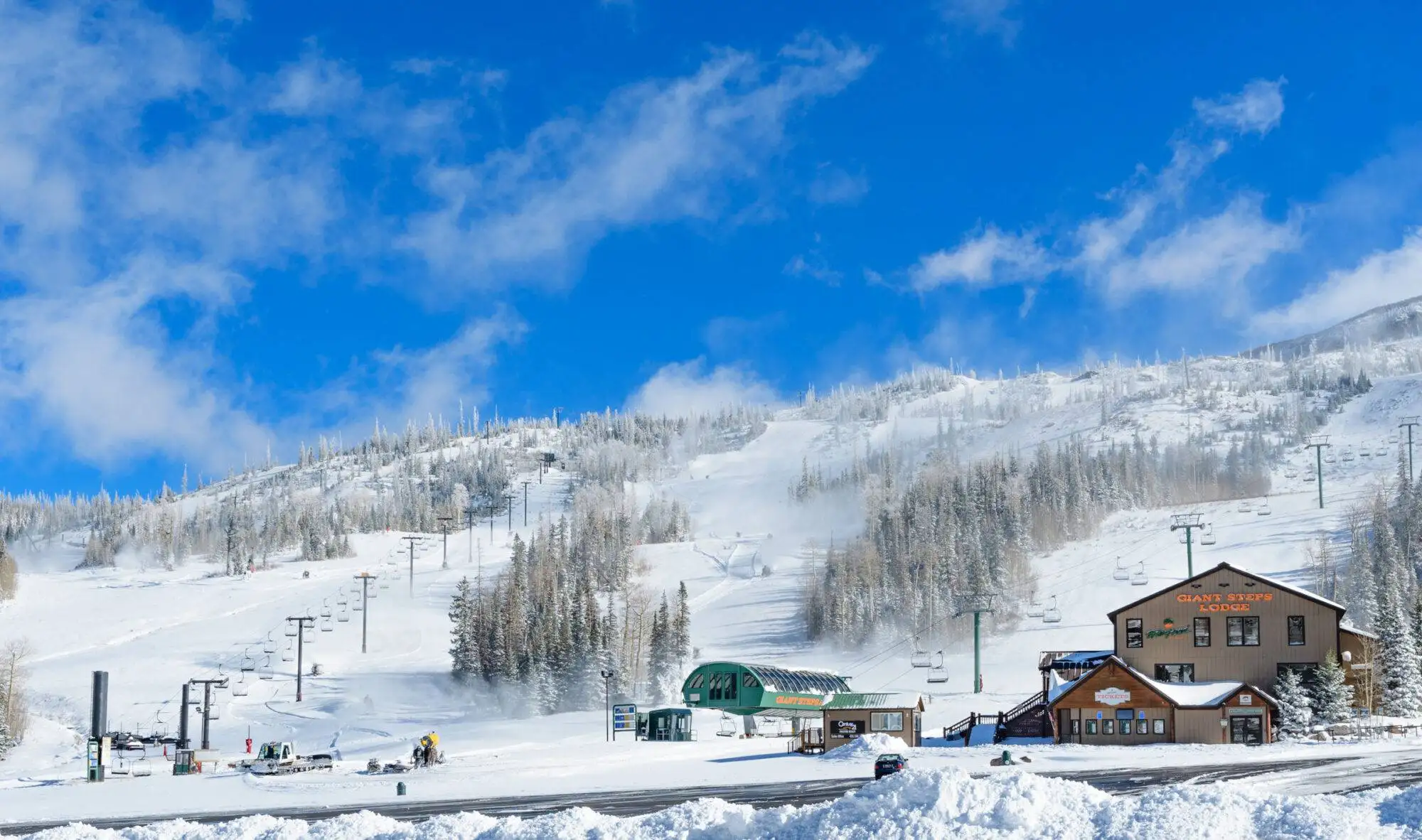
Beyond traditional skiing and snowboarding, Brian Head offers an extensive menu of snow-based activities. The Giant Steps tubing park provides family-friendly excitement with multiple lanes and an escalator-assisted system that eliminates the need to climb back up after each run.
Sessions cost $25 for 1.5 hours and include tube rental, making it an affordable option for families with young kids. Winter activities in Brian Head also include snow tubing and snowmobiling, ensuring there’s something for everyone.
Snow tubing is fun for visitors of any age, from young children to adults, making it a great choice for all age groups. Snowmobile enthusiasts can explore the backcountry through guided tours offered by Thunder Mountain Sports.
These 1.5-hour adventures take riders through pristine forest trails and open meadows, providing access to areas that would otherwise require significant hiking to reach.
Snowmobiling trails are available, including the groomed Highway 148 through Cedar Breaks. Tours typically cost $150-200 per person and include all necessary gear and safety equipment.
For those seeking quieter winter pursuits, snowshoeing at Cedar Breaks National Monument offers spectacular scenery and wildlife viewing opportunities.
Cedar Breaks is an excellent area for snowshoeing and features groomed trails for cross-country skiing. Georg’s Ski Shop in Brian Head Town provides snowshoe rentals and trail maps, while the national monument maintains several marked trails suitable for different fitness levels.
The Spectra Point trail, in particular, rewards winter visitors with panoramic views of the surrounding peaks and valleys.
Ice skating enthusiasts can enjoy Brian Head’s figure-eight outdoor rink, which operates from November through February depending on weather conditions. The rink provides a charming evening activity for families, with skate rentals available and hot chocolate stands nearby.
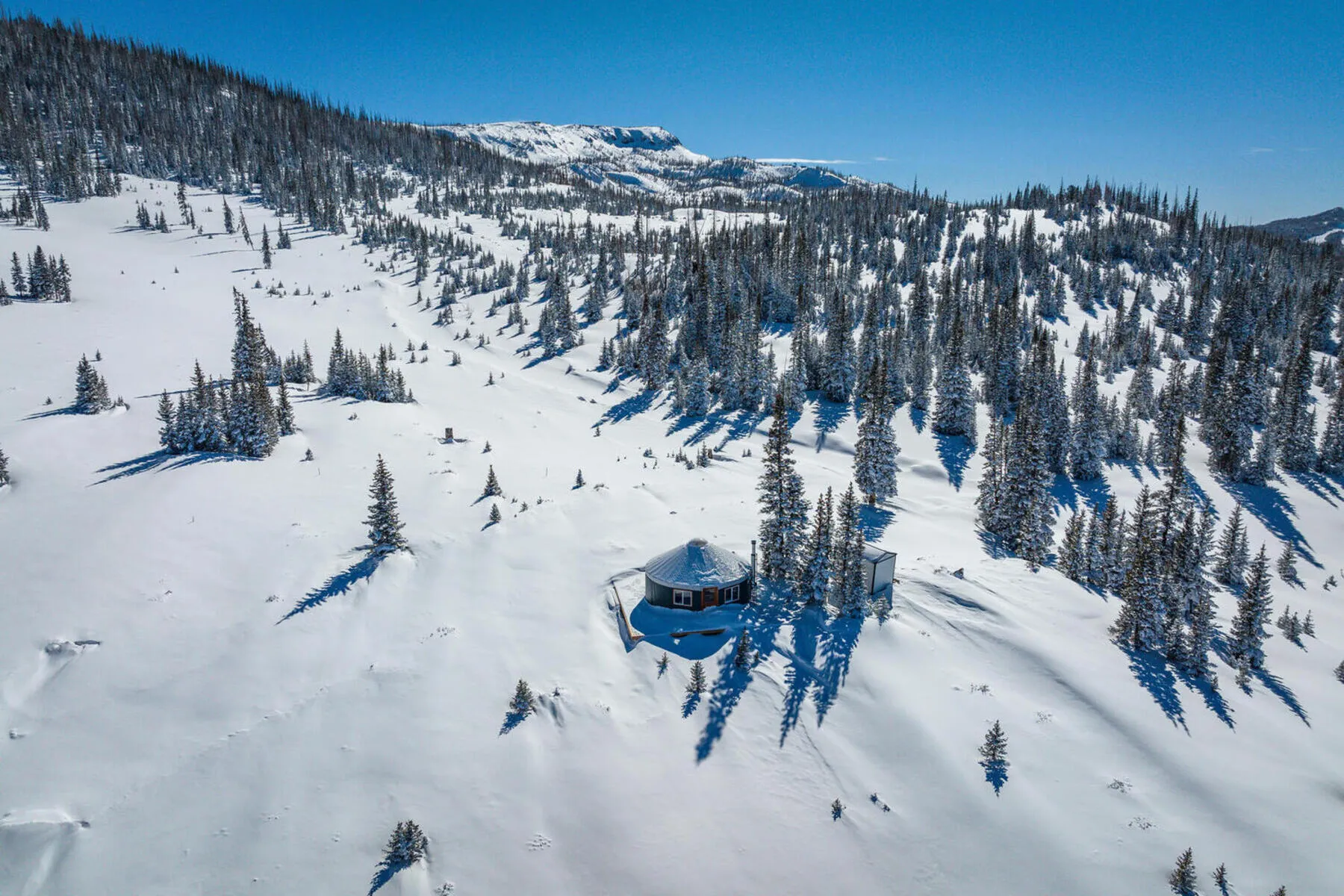
Cross-country skiing trails wind through the surrounding Dixie National Forest, offering miles of groomed and backcountry routes for Nordic skiing enthusiasts.

Getting to Brian Head During Snow Season
Winter access to Brian Head requires careful planning and proper vehicle preparation. Utah Department of Transportation (UDOT) regulations mandate that all vehicles traveling to Brian Head during snow season carry traction devices such as tire chains or snow tires.
Hwy 143 (Highway 143), the primary route from Interstate 15, can experience rapid weather changes that make driving conditions challenging for unprepared motorists.
The most reliable route begins at Interstate 15 exit 75 in Parowan, then follows Hwy 143 (Highway 143) east for approximately 12 miles to Brian Head Town. This scenic drive climbs nearly 4,000 feet in elevation, passing through diverse ecosystems and offering spectacular views of the surrounding mountains.
During active snowstorms, this route may require chains or four-wheel drive vehicles, and UDOT occasionally closes the road during severe weather. Road construction on SR-143 is expected from November 2023 through May 2024, so travelers should plan accordingly.
We recommend if you do not have the appropriate vehicle or are properly trained in driving up a very steep snow canyon, to use our trusted partners Brian Head Drivers for a ride.
For real-time road conditions and closure information, travelers should contact UDOT at 866-511-8824 or check online before departing. The agency provides updated information about chain requirements, road closures, and estimated travel times throughout the winter season.
Local authorities also maintain emergency communication systems to assist stranded motorists and coordinate rescue operations when necessary.
Brian Head Drivers service operates from Cedar City during peak season (November 10 through April 14), providing an alternative for visitors who prefer not to drive in winter conditions.
The shuttle runs multiple times daily during weekends and holidays, with advance reservations recommended during busy periods. This service eliminates parking concerns and allows passengers to relax while professionals handle the mountain driving.
Additionally, the Brian Head Express Shuttle offers daily round-trip shuttles from Cedar City to Brian Head Resort, making it even easier for visitors to access the area. Parking at the resort centers around two main areas: Giant Steps Lodge and Navajo Lodge.
Both locations offer free parking during most of the season, though holiday periods may require early arrival to secure convenient spots. The resort provides shuttle service between parking areas and lift bases, reducing the need to walk long distances in winter gear.
Best Times to Visit for Snow
Peak snow season at Brian Head runs from December through March, when the mountain typically maintains its deepest base and receives the most frequent fresh snowfall.
March is historically the snowiest month at Brian Head Resort and offers the best powder late in the season.
January and February generally offer the most consistent powder conditions, with storm systems arriving regularly from the Pacific Northwest and California coast.
These months also provide the coldest temperatures, ensuring excellent snow preservation and minimal melting even during sunny periods. Early season conditions in November and early December can vary significantly from year to year.
Some seasons see the resort open with excellent coverage by Thanksgiving, while others may have limited terrain available until after the new year.
Visitors planning early season trips should check current conditions and maintain flexible travel dates to take advantage of the best snow opportunities.
Late season skiing in March and April offers unique advantages, including longer daylight hours and warmer temperatures that make outdoor activities more comfortable for families.
While snow quality may be more variable during these months, the extended daylight allows for full-day adventures and the opportunity to combine skiing with other activities like hiking or sightseeing at nearby attractions.
Holiday periods including Christmas, New Year’s, and Presidents Day weekend typically bring the largest crowds to Brian Head.
While snow conditions are often excellent during these times, visitors should expect longer lift lines and book accommodations well in advance.
Many experienced skiers prefer visiting during weekdays in January and February to enjoy the same snow quality with significantly fewer people on the mountain.
Weather patterns that bring the best powder to Brian Head typically originate from Pacific storm systems that track across Nevada and into Utah. These storms often arrive with little warning, dumping 6-12 inches of fresh snow overnight and creating ideal skiing conditions the following morning.
Monitoring local weather forecasts and maintaining flexible plans allows visitors to time their trips to coincide with these powder days.
While Brian Head is best known for its winter snow, the area also offers summer events and outdoor activities, especially in July, including festivals and concerts.
After the summer season ends, snow can return as early as September, marking the transition to permanent snow coverage for the coming winter.
Brian Head hosts various events throughout the year, such as celebrations on the 4th of July, adding to its appeal as a year-round destination.
Winter Accommodations Near the Snow
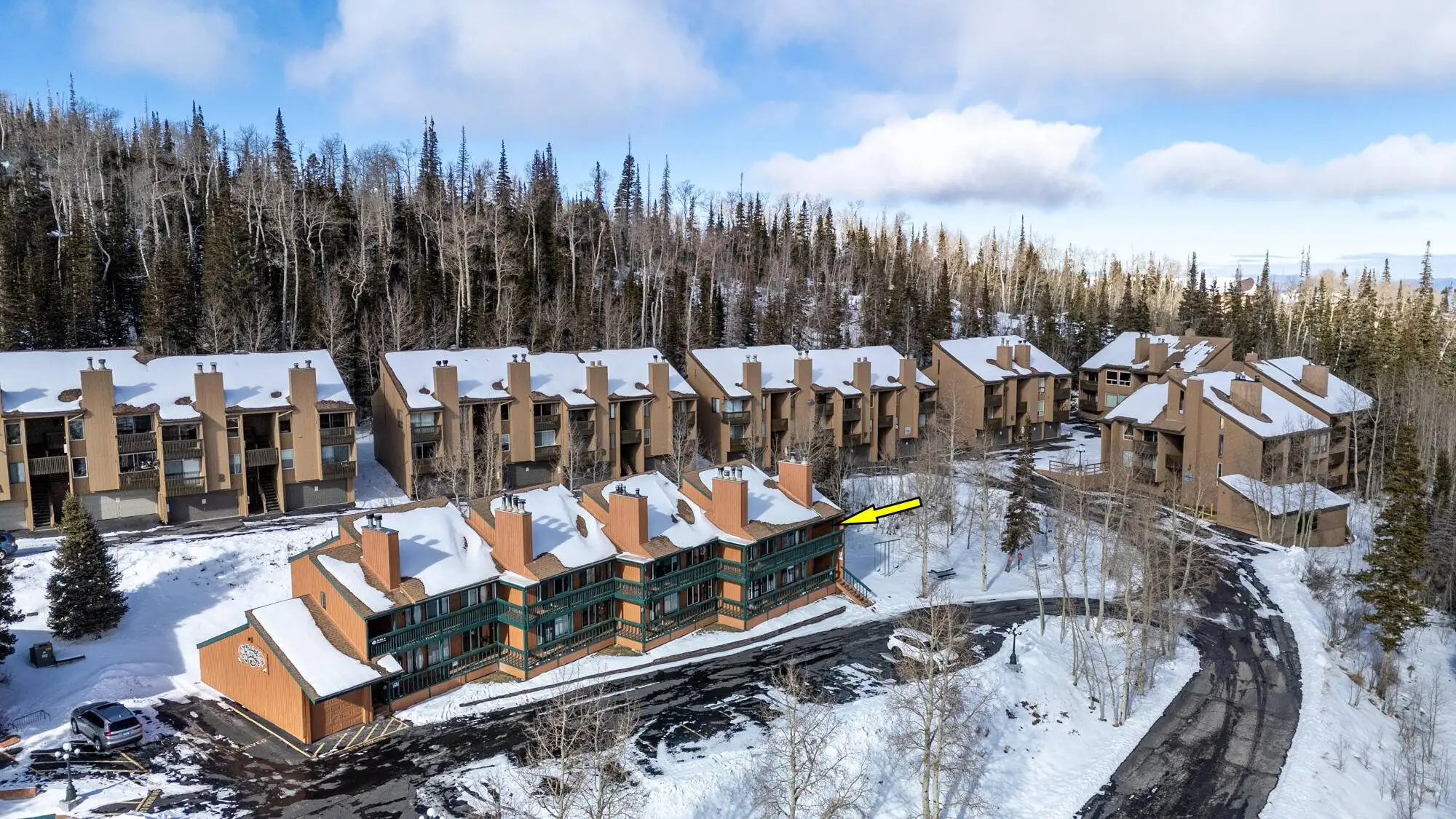
Brian Head Lodge offers the most convenient ski-in/ski-out lodging option, with rooms and condos located within walking distance of the main chairlifts.
The lodge features amenities including hot tubs, heated pools, and equipment storage areas that make it easy for families to gear up and head directly to the slopes.
The Brian Head Resort includes a lodge with an indoor pool and outdoor hot tub, providing additional relaxation options for visitors.
Room rates vary significantly between midweek and weekend periods, with the highest prices occurring during holiday weeks. For dining, Pizano’s, a casual pizza place in Brian Head, is praised for its specialty pies, offering a delicious option for visitors looking to enjoy a meal after a day on the slopes.
Cedar Breaks Lodge provides another slopeside option with vacation rental condos and townhomes that accommodate larger groups and families planning week-long stays. The lodge also features an indoor pool and hot tub, making it a relaxing choice for visitors.
These properties typically include full kitchens, multiple bedrooms, and living areas that allow guests to prepare meals and relax after long days on the mountain. Many units feature fireplaces and mountain views that enhance the winter vacation experience.
For budget-conscious travelers, accommodations in Parowan and Cedar City offer comfortable lodging options 20-40 minutes from the mountain.
These towns feature national chain hotels and local motels that provide clean, affordable rooms with easy access to restaurants and shopping. Brian Head has limited dining options, making a fully stocked kitchen beneficial for visitors.
The nearby town of Parowan offers cheaper hotel options that are convenient for day trips, providing an alternative for budget-conscious travelers.
The drive to Brian Head takes visitors through beautiful winter scenery and provides flexibility for exploring other southern Utah attractions during their stay.
Vacation rental options throughout Brian Head Town range from cozy cabins to large mountain homes that can accommodate multiple families or groups. These properties often include amenities like hot tubs, game rooms, and outdoor fire pits that create memorable gathering spaces for evening relaxation.
Booking these properties well in advance is essential during peak season, as demand often exceeds supply during popular travel periods.
Snow Safety and Winter Preparation Tips
Brian Head’s high elevation and variable weather conditions require proper preparation and quality winter gear. Essential items include insulated clothing layers, waterproof outerwear, warm gloves, and appropriate footwear for walking on snow and ice.
The significant elevation gain from surrounding cities means visitors may experience altitude effects, making gradual acclimatization and adequate hydration important for comfort and safety.
Temperature variations throughout the day can exceed 40 degrees, requiring a layering system that allows for easy adjustment as conditions change. Morning temperatures often drop below zero, while afternoon sun can create warm, comfortable conditions that tempt visitors to shed layers.
Quality base layers, insulating mid-layers, and windproof outer shells provide the flexibility needed to stay comfortable throughout the day.
Backcountry snow activities require additional safety considerations, including avalanche awareness and proper emergency equipment.
The surrounding Dixie National Forest contains terrain where avalanche conditions can develop, making it essential for snowmobilers, snowshoers, and backcountry skiers to check current avalanche bulletins and travel with appropriate safety gear.
Local outfitters and guide services provide equipment rentals and safety training for visitors unfamiliar with backcountry travel.

Emergency preparedness becomes particularly important when traveling to Brian Head during active winter weather. Vehicle emergency kits should include extra food, water, warm clothing, flashlights, and communication devices.
Cell phone coverage can be spotty in some areas, making it important to inform others of travel plans and expected return times when heading into remote areas.
The resort provides free shuttle service during ski season to reduce the need for guests to drive in snowy conditions. These shuttles connect lodging areas with lift bases and the main village, allowing visitors to leave their vehicles parked safely while enjoying mountain activities.
Taking advantage of this service eliminates concerns about parking availability and reduces driving in challenging winter conditions.
Nature Conservation
Brian Head Town is totally committed to keeping the natural beauty that makes it such an amazing place to visit.
You’ll find yourself surrounded by the protected lands of Cedar Breaks National Monument and the huge Dixie National Forest, and this town really shows how mountain communities and nature can work together perfectly.
These pristine areas give you vital habitats for tons of different wildlife and plant species, making every visit a chance to see some incredible natural wonders.
You can explore the many scenic trails that wind through cedar forests and along the rim of Cedar Breaks — just remember to respect and protect the environment while you’re out there.
Brian Head Town makes eco-friendly travel easy by offering lots of lodging options, including condos and lodges that are designed to minimize environmental impact while keeping you comfortable.
Many accommodations use sustainable practices, which helps make sure the area’s natural resources stay preserved for future generations.
Whether you’re hiking through wildflower meadows, snowmobiling across powdery landscapes, or just enjoying the views from your mountain retreat, Brian Head Town wants you to be a steward of the land.
Simple things like staying on marked trails, packing out your trash, and choosing green lodging help keep that delicate balance between having fun and protecting nature.
With its commitment to nature, diverse recreational opportunities, and breathtaking surroundings, Brian Head Town gives visitors of all ages a chance to experience the rewards of responsible travel and the lasting beauty of southern Utah’s great outdoors.
Nearby Winter Attractions
Cedar Breaks National Monument transforms into a winter wonderland that offers some of Utah’s most spectacular snow scenery.
Located just minutes from Brian Head Town, the monument provides snowshoeing opportunities along rim trails that offer breathtaking views of the amphitheater’s colorful rock formations contrasted against fresh snow.
The visitor center remains open year-round, providing educational exhibits and trail information for winter visitors.
Duck Creek Village, located 45 minutes from Brian Head, offers additional snow activities including cross-country skiing, snowmobiling, and winter camping opportunities.
This smaller mountain community maintains groomed trails through the Dixie National Forest and provides equipment rentals for visitors interested in exploring the area’s pristine winter landscapes.
Several local outfitters offer guided tours that combine multiple activities for comprehensive winter adventure experiences.
The Dixie National Forest surrounding Brian Head contains hundreds of miles of winter recreation trails suitable for snowshoeing, cross-country skiing, and snowmobiling.
Many of these trails connect to trail systems in adjacent national forests, creating opportunities for multi-day adventures and backcountry camping.
Forest service offices provide current trail conditions and permit information for visitors planning extended wilderness trips.
Day trip possibilities from Brian Head include visits to nearby national parks and monuments that offer unique winter perspectives on famous landmarks.
Bryce Canyon National Park, approximately 90 minutes away, maintains limited winter access to viewpoints that showcase the park’s distinctive hoodoos dusted with snow.
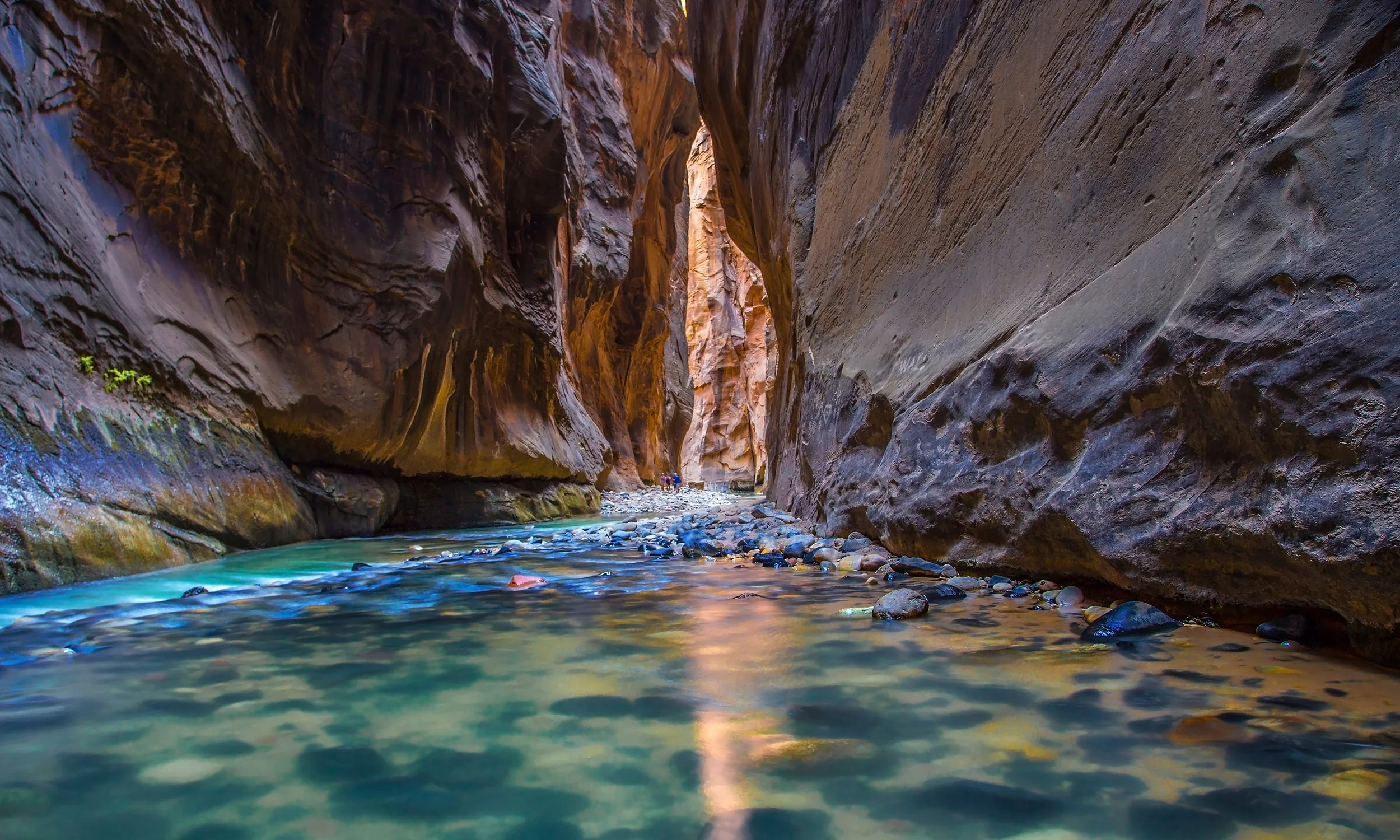
Zion National Park, while farther south, provides opportunities to experience dramatic temperature and landscape changes within a single day’s drive.
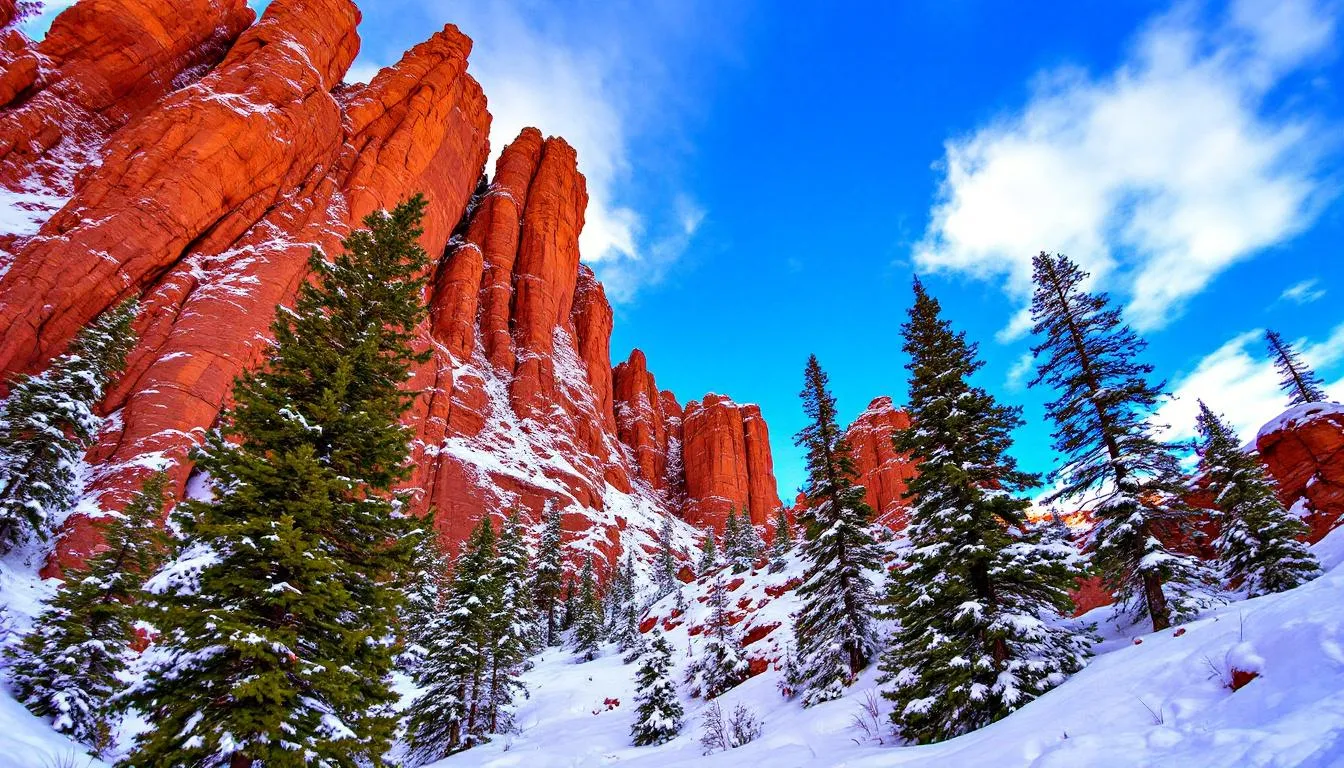
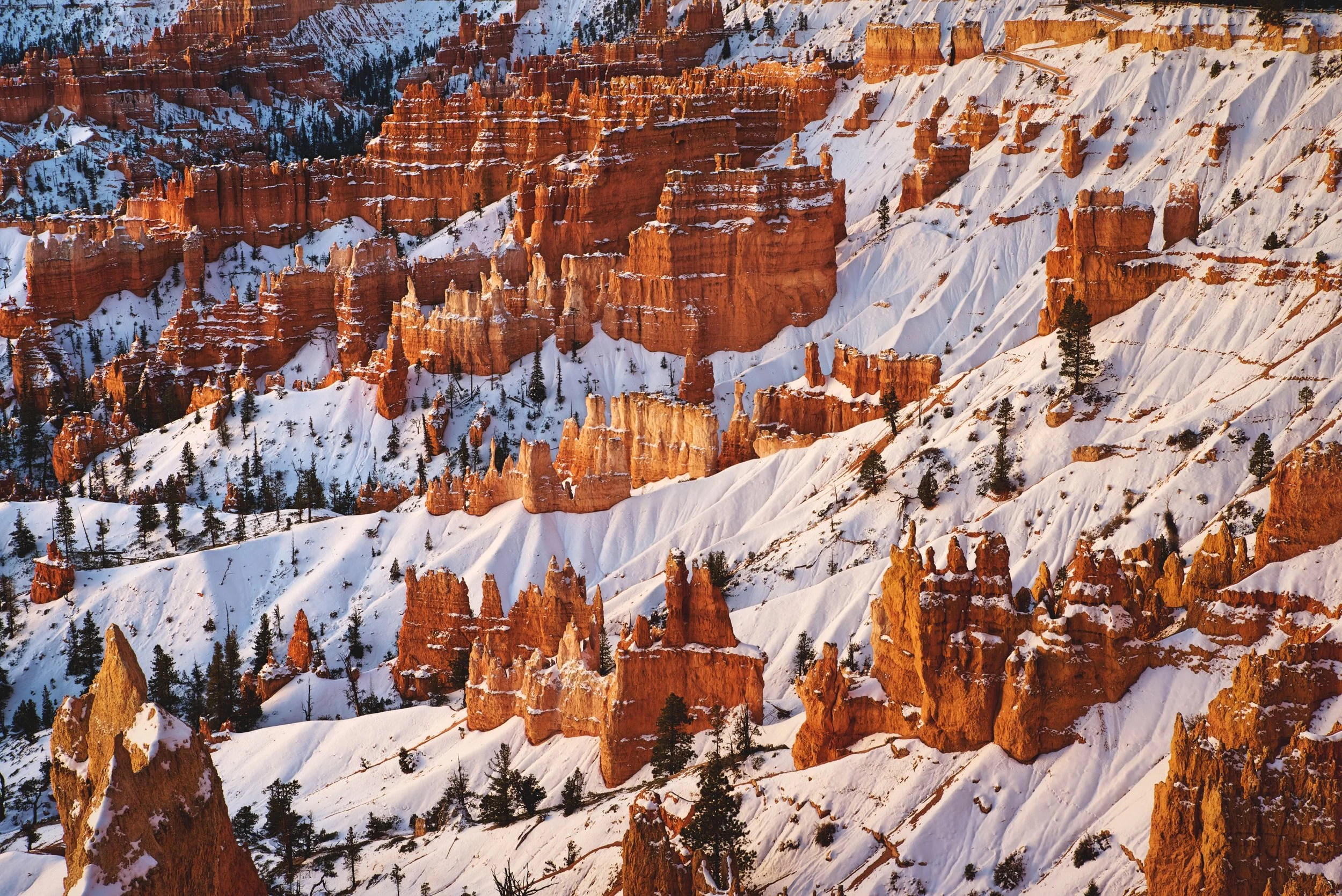
Winter photography enthusiasts find Brian Head’s combination of snow-covered peaks and red rock formations particularly compelling.
The contrast between Utah’s famous red sandstone and pristine white snow creates unique opportunities for landscape photography that capture the diverse beauty of southern Utah’s winter environment.
Early morning and late afternoon light provide the most dramatic conditions for capturing these distinctive scenes.
Brian Head Utah snow offers an exceptional winter destination that combines reliable snowfall, affordable recreation, and stunning natural beauty in a family-friendly mountain environment.
From the resort’s 71 ski runs and diverse winter activities to the nearby attractions at Cedar Breaks National Monument and the Dixie National Forest, visitors discover a comprehensive winter playground that rivals more expensive destinations.
The town’s unique position as America’s highest resort town, combined with its accessibility from major southwestern cities, makes it an ideal choice for families seeking authentic mountain experiences without the crowds and costs associated with larger ski areas.
Whether you’re planning a quick weekend getaway or an extended winter vacation, Brian Head provides the snow conditions, activities, and atmosphere that create lasting memories.
Plan your visit during peak snow season from December through March to experience the best powder conditions, but remember that Brian Head’s high elevation and long season mean excellent skiing opportunities extend from November through April.
February is often cited as the best month for overall snow quality at Brian Head, offering consistent powder and ideal conditions for winter sports.
With proper preparation and advance planning, your Brian Head winter adventure will showcase why this hidden gem continues to attract snow enthusiasts from across the region year after year.